
How To
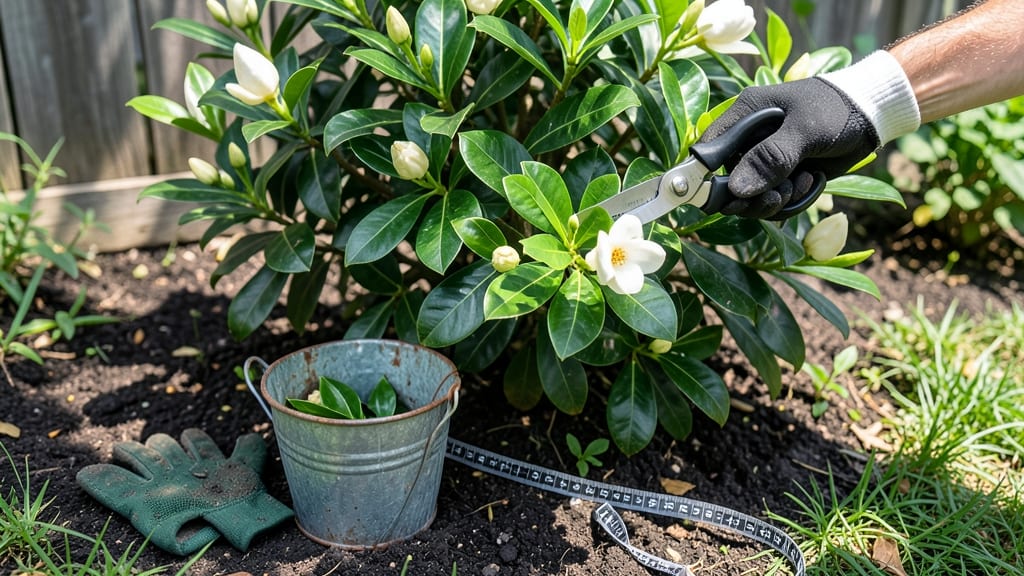
Cutting back gardenias too far can stunt blooms and stress the plant, but knowing how far you can trim without harming it is the key to a fuller, healthier shrub 🌸.
Picture this: You’ve spent months admiring your gardenia’s fragrant blooms, only to wake up one morning and realize it’s looking ragged and overgrown. The urge to prune aggressively is strong, but cutting too much can shock the plant and leave you with sparse growth—or worse, no flowers at all.
Gardenias thrive when pruned correctly, and the secret lies in the one-third rule: never remove more than one-third of the plant’s foliage in a single session. This balance ensures your gardenia stays lush, blooms abundantly, and recovers quickly from pruning stress.
In this guide, I’ll walk you through the exact pruning limits, the best time to trim for maximum blooms, and step-by-step techniques to revive your gardenia—so you can enjoy its intoxicating scent and vibrant flowers year after year.
Safe pruning limits for gardenias: how far you can trim without harming the plant
Gardenias are delicate shrubs that reward careful pruning with abundant blooms and dense foliage. But when you cut too aggressively, you risk stunting growth or even killing the plant entirely. The key lies in understanding the one-third rule—a pruning guideline that ensures your gardenia stays healthy and vibrant.
This rule isn’t just a random suggestion—it’s rooted in plant physiology. Gardenias grow on new wood, meaning their flowers and leaves emerge from the current year’s growth.
If you prune too much, you remove too many growth points, leaving the plant struggling to recover. Over time, this can lead to sparse blooms or even death.
⚠️ Warning: The One-Third Rule is Non-Negotiable
Never remove more than one-third of your gardenia’s foliage in a single pruning session. Cutting back more than 33% stresses the plant, weakens its root system, and can halt flowering for the season. For example, if your gardenia has 30 branches, prune no more than 10 at a time.
🌱 Pro Tip: If your gardenia looks severely overgrown, space pruning sessions 3-4 weeks apart to allow recovery.
Seasonal timing also plays a critical role in safe pruning. The best time to prune gardenias is right after flowering, typically in late spring or early summer. This gives the plant time to recover and produce new growth before winter dormancy.
Avoid pruning in late summer or fall, as this can stimulate tender new growth that won’t survive frost.
Identifying over-pruning signs early can save your gardenia. Watch for yellowing leaves, stunted growth, or fewer blooms than usual. If you’ve already cut too much, don’t panic—your gardenia can recover with proper care.
Focus on watering deeply, applying a balanced acidic fertilizer, and avoiding further pruning until new growth appears.
The science behind gardenia growth explains why the one-third rule works. Gardenias produce flowers on current-season wood, meaning they rely on new shoots for blooms. When you prune too much, you remove these future bloom sites, leaving the plant with fewer flowers next season.
Think of it like trimming your hair too short—it takes time to grow back, and the result might not be what you expected.
To apply the one-third rule practically, start by mapping your gardenia’s branches. Hold a pruning shears at a 45-degree angle just above a leaf node (the bump where leaves grow).
Aim to remove only the outermost, leggy branches first—these are the ones blocking sunlight and crowding the center. Never cut into old, woody stems, as these won’t regrow.
Another common mistake is pruning at the wrong angle. Always make cuts just above a leaf node and at a 45-degree angle to prevent water from pooling on the cut. This reduces the risk of rot or disease.
If you’re unsure where to cut, trace the branch back to its origin—the goal is to shape the plant without removing too much at once.
For container-grown gardenias, the one-third rule still applies, but you’ll need to be even more gentle with pruning. Potted plants have limited root space, so aggressive cuts can stress the roots further.
After pruning, repot if needed to give the roots more room to support new growth. Always use a well-draining, acidic potting mix to mimic their natural soil conditions.
Finally, remember that patience is key when pruning gardenias. If your plant looks overdue for a haircut, resist the urge to trim everything at once. Instead, space pruning sessions over a few weeks to let the plant adjust gradually.
With the right approach, your gardenia will thrive for years, rewarding you with fragrant blooms and lush foliage every season.
Step-by-step guide to pruning gardenias for maximum blooms and health
Pruning your gardenia isn’t just about shaping its branches—it’s about encouraging healthier growth and more abundant blooms. The key is timing, technique, and knowing how far you can cut back without stressing the plant.
When done right, pruning can transform a leggy, sparse gardenia into a full, fragrant beauty that bursts with flowers.
Before you reach for your pruners, gather the right tools: sharp bypass pruners for clean cuts, sterilized shears to prevent disease, and gloves to protect your hands from the plant’s sap.
Work on a dry, sunny morning when the plant is fully hydrated, and you’ll set the stage for a stress-free pruning session.
Here’s the step-by-step process to prune your gardenia safely and effectively:
Identify Dead or Diseased Branches
Start by removing any dead, damaged, or diseased wood. Look for branches that are brown, brittle, or covered in spots. Cut these back to the nearest healthy growth node—this is where new shoots will emerge.
Follow the One-Third Rule
Never trim more than one-third of the plant’s foliage in a single session. For a mature gardenia (3–6 ft tall), this means removing only the outermost branches that are overcrowded or leggy. Avoid cutting into old, woody stems—focus on new growth near the tips.
Cut at the Right Angle
Make cuts just above a leaf node or bud, angled slightly away from the branch. This ensures water runs off the cut and prevents rot. Avoid leaving stubs—always cut cleanly and close to the growth point.
Shape for Airflow and Sunlight
Thin out branches to improve air circulation and sunlight penetration. Aim for an open, rounded shape—this reduces humidity buildup (which can cause fungal issues) and encourages blooms along the outer branches.
Post-Pruning Care
After pruning, water your gardenia deeply to reduce stress. Apply a balanced, acidic fertilizer (like 10-10-10) to support new growth. Mulch around the base to retain moisture and protect roots from temperature swings.
Timing is everything with gardenias. The best time to prune is right after flowering, typically in late spring or early summer. Avoid heavy pruning in fall or winter, as this can delay spring blooms.
If your gardenia looks overgrown in late summer, limit yourself to light shaping only—never more than 10% of the plant.
Watch for signs of over-pruning, like yellowing leaves, sparse blooms, or stunted growth. If you’ve cut too much, don’t panic—your gardenia will recover with patience and proper care. Focus on watering consistently, fertilizing lightly, and protecting it from harsh weather until new growth appears.
With these steps, your gardenia will reward you with glossy foliage and fragrant blooms all season long. Happy pruning! 🌿✂️