
Pruning
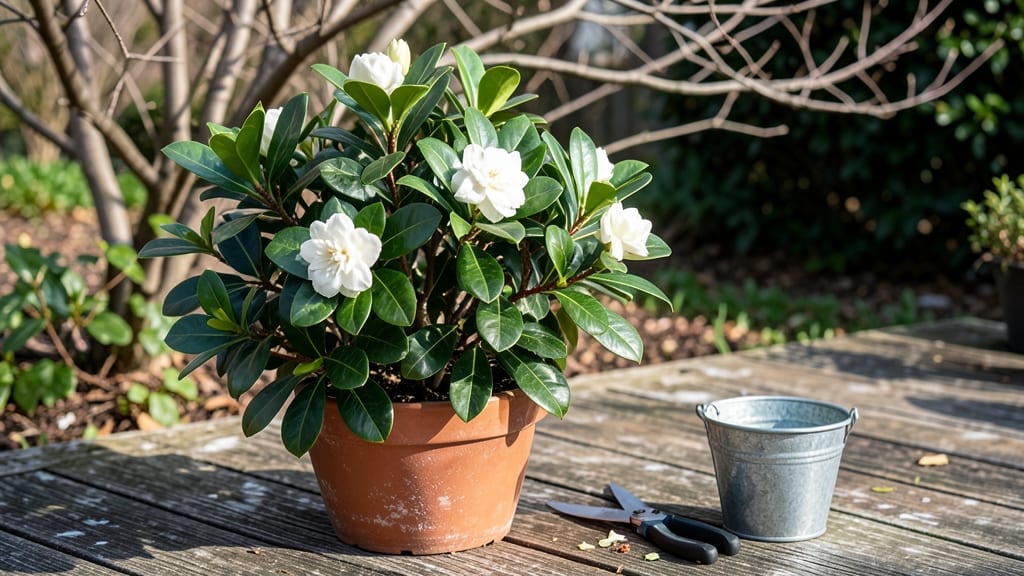
Pruning gardenias at the right time ensures more blooms and healthier growth, and the best window is late winter when the plant is dormant.
Struggling to get your gardenias 🌸 to bloom as beautifully as they should? The secret might be hiding in your pruning schedule—timing this task wrong can leave your plants stressed and sparse-flowering.
In USDA Zone 6a, late winter (February to early March) is ideal because the plant isn’t actively growing, so it recovers faster. This timing also prevents cutting off next season’s flower buds.
Below, I’ll cover the exact steps, tools, and post-pruning care to keep your gardenias thriving—and avoid the mistakes that kill blooms.
Why late winter dormancy is the optimal time to prune gardenias
If your gardenias are struggling to produce those fragrant, creamy-white blooms you love, the issue might start with your pruning schedule. Pruning at the wrong time—like after spring growth or during summer blooming—can stress the plant and reduce flowering.
The science behind late winter pruning reveals why this dormant season is the perfect window for encouraging lush, healthy regrowth and abundant blooms.
When gardenias enter dormancy in late winter (typically February to early March in most U.S. climates), they naturally slow down metabolic processes. This dormancy is triggered by cooler temperatures and shorter days, signaling the plant to conserve energy.
Pruning during this time minimizes stress because the plant isn’t actively growing or flowering—it’s focused on root development and preparing for spring.
Cold weather also plays a crucial role. Gardenias are native to subtropical regions, where mild winters (like in USDA Zones 8-10) still allow some growth. However, even in these areas, late winter’s cooler nights (below 50°F) signal the plant to prioritize new growth over blooms.
Pruning during this period ensures that when warmer weather arrives, your gardenia will redirect energy into vibrant new shoots and flowers rather than struggling to recover from summer pruning.
Here’s the key: Pruning in late winter stimulates early spring growth without competing with the plant’s natural blooming cycle. This timing also reduces disease risk because wounds heal faster in cooler, drier conditions.
In contrast, pruning in late summer or fall can delay blooming or even prevent next year’s flowers from forming.
| Climate Zone | Best Pruning Window | Why This Timing Works | Avoid Pruning When |
|---|---|---|---|
| USDA Zones 6-7 (Cold Winters) | Late February to early March | Plant is fully dormant; minimal stress from cold. | After last frost (April) or during summer blooms. |
| USDA Zones 8-10 (Mild Winters) | January to early February | Cooler nights trigger dormancy; avoids summer heat stress. | During summer (June-August) or after fall rains. |
| Container Gardenias (Any Zone) | Late winter (adjust for indoor light) | Indoor conditions mimic dormancy; prune before spring growth. | After repotting or during winter indoors (no dormancy). |
For gardeners in warmer climates (Zones 8-10), late winter might feel like an odd time to prune because gardenias can bloom year-round. However, even in these areas, a short dormant period occurs during cooler months.
Pruning in January or early February ensures you’re not cutting into active blooming cycles. In contrast, summer pruning can shock the plant and lead to fewer flowers, as it’s already diverting energy to support existing blooms.
Another critical factor is hormonal signaling. Gardenias produce auxin hormones that regulate growth and flowering. Pruning in late winter resets this hormonal balance, encouraging the plant to produce new, vigorous shoots that will later become flower buds.
If you prune too late (e.g., March or April), you risk delaying bloom time or even reducing flower quantity, as the plant focuses on recovering from pruning wounds.
Let’s talk about what happens if you skip late winter pruning. Without regular pruning, gardenias can become overgrown and leggy, with fewer blooms and poor airflow between branches. This increases the risk of fungal diseases like powdery mildew, which thrive in dense, humid foliage.
Pruning in late winter opens up the plant’s structure, allowing better air circulation and sunlight penetration, both of which are essential for healthy blooms and disease prevention.
One common misconception is that pruning gardenias is unnecessary because they’re low-maintenance shrubs. While they are resilient, strategic pruning is what transforms a gardenia from a sparse bloomer to a lush, fragrant beauty.
Late winter pruning is your chance to shape the plant for the season ahead, removing dead, crossing, or weak branches while encouraging strong, upward growth that will support more blooms.
To maximize results, pair late winter pruning with post-pruning care. After trimming, apply a layer of mulch around the base to retain moisture and regulate soil temperature. Also, hold off on heavy fertilization until early spring, when the plant is actively growing.
This ensures your gardenia focuses on root and shoot development rather than producing leaves at the expense of flowers.
Ready to see the difference? Prune your gardenias in late winter, and you’ll likely notice more blooms next season, healthier foliage, and a plant that’s better equipped to handle summer heat and pests.
It’s not just about timing—it’s about working with nature’s rhythms to create a thriving gardenia that rewards you with season after season of beauty.
Step-by-step late winter pruning guide for maximum blooms
Now that you understand why late winter is the perfect time to prune your gardenias, let’s dive into the step-by-step process to ensure you get maximum blooms and a healthier plant.
The key is to remove deadwood, shape for airflow, and encourage vigorous new growth—all while avoiding common mistakes that can harm your gardenia.
Before you start, gather your tools and supplies. You’ll need sharp, clean pruning shears (for small branches), loppers (for thicker stems), gloves (to protect from thorns), and disinfectant (like rubbing alcohol) to sterilize your tools between cuts.
This prevents the spread of bacterial or fungal diseases that can weaken your plant.
Start by inspecting your gardenia for dead, diseased, or crossing branches. Dead branches are brown, dry, and crumbly when touched, while healthy branches are green and flexible.
Use your pruners to remove these branches at the base, cutting just above a bud or outward-facing leaf to encourage growth in the right direction.
- 1 Choose the Right Time: Prune in late winter (February-March for Zones 6-7) or January-February for Zones 8-10. Avoid pruning after last frost or during active blooming.
- 2 Gather Tools: Use sterilized pruners, loppers, gloves, and disinfectant. Sharp tools make clean cuts that heal faster.
- 3 Remove Deadwood: Cut out dead, diseased, or crossing branches at the base. Look for brown, brittle stems—these won’t regrow.
- 4 Shape for Airflow: Thin out dense areas to improve circulation and sunlight. Aim for an open, rounded shape to encourage even growth.
- 5 Cut at the Right Angle: Make 45-degree cuts just above a bud or leaf node. Avoid leaving stubs, as they can rott or attract pests.
- 6 Clean Up and Mulch: Remove all pruned debris from the area. Apply 2-3 inches of mulch around the base to retain moisture and regulate temperature.
When shaping your gardenia, focus on opening up the center to allow better airflow and sunlight penetration. This reduces humidity and prevents fungal diseases like powdery mildew, which can discolor leaves and stunt blooms.
Aim for a balanced, rounded shape—avoid cutting back too aggressively, as this can stress the plant and delay flowering.
After pruning, avoid fertilizing immediately. Instead, wait until early spring when new growth appears. This ensures your gardenia focuses on root and shoot development rather than producing leaves at the expense of future blooms.
Water deeply but infrequently to encourage strong root growth, and keep an eye out for new shoots emerging in 3-4 weeks.
With these steps, your gardenia will thrive and bloom abundantly next season. The key is precision and timing—prune at the right moment, use the right tools, and give your plant the care it needs to recover and flourish.
Soon, you’ll be rewarded with fragrant, creamy-white blooms that make your garden the envy of the neighborhood!