
Tools
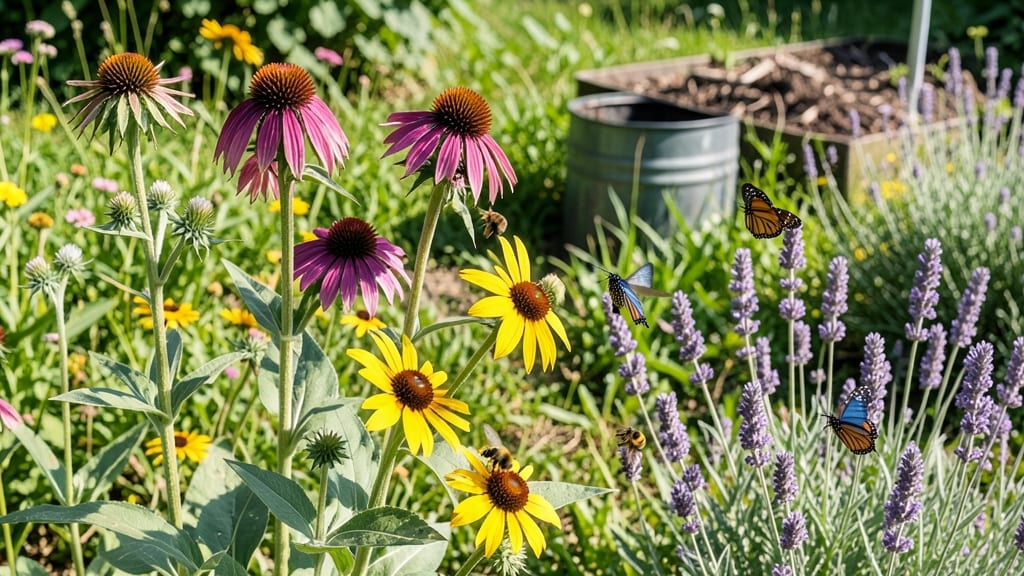
Gardening positively impacts the environment by purifying air through photosynthesis, capturing carbon emissions, and fostering biodiversity through habitats for pollinators. It also prevents soil erosion, filters rainwater naturally, and even reduces urban heat—making even small gardens powerful tools for local ecosystems.
Plants act like natural air filters, converting carbon dioxide into oxygen while absorbing harmful pollutants like nitrogen oxides and ozone. 🌿 This process isn't just about cleaner air—it directly combats climate change by sequestering carbon in soil and plant matter.
Urban gardens, in particular, help lower temperatures by replacing heat-absorbing concrete with cooling green spaces. The cumulative effect of millions of backyard gardens worldwide creates measurable improvements in air quality and biodiversity.
What's fascinating is how even small actions multiply when shared.
A single garden might support bees and butterflies, but when neighborhoods plant native species together, they create wildlife corridors that stretch for miles. 🌍 The same principles apply to water conservation: drip irrigation and rain gardens reduce runoff while replenishing groundwater.
These practices don't just benefit the environment—they create healthier, more resilient communities where people and nature thrive side by side.
💡 In This Article
- How Plants Improve Air Quality and Fight Climate Change
- Creating an Eco-Friendly Garden: Sustainable Practices for Maximum Impact
How plants improve air quality and fight climate change
Plants perform a dual role in cleaning the air: they absorb carbon dioxide during photosynthesis while simultaneously capturing harmful pollutants like nitrogen oxides (NOx) and ozone (O₃).
A single mature tree can absorb up to 48 pounds of CO₂ per year, while shrubs and ground covers contribute through their extensive root systems. 🌿 Urban gardens packed with diverse species—such as boxwood, ivy, and ornamental grasses—can reduce NOx levels by 20-30% compared to paved areas, creating measurable improvements in respiratory health for nearby residents.
The carbon sequestration process goes beyond just the leaves. Roots channel carbon into the soil, where it becomes stable organic matter for decades. Studies show that well-maintained gardens can sequester 3-5 tons of carbon per acre annually, comparable to what a young forest achieves.
This underground storage is particularly valuable because it prevents carbon from re-entering the atmosphere, unlike temporary storage in leaves that decomposes seasonally. 💫 The key here is plant diversity—gardens with 15+ species capture carbon 30% more efficiently than monocultures.
Urban gardens also combat the "heat island" effect by replacing concrete with reflective, evaporative plant surfaces. A 100-square-foot garden can reduce air temperatures by 5-10°F during summer heatwaves, cutting energy use for cooling by up to 20%.
This cooling effect extends beyond the garden itself, creating microclimates that benefit entire neighborhoods. The combination of shade from foliage and moisture from transpiration creates a natural air conditioner that's far more efficient than mechanical systems.
Different plant species play distinct roles in air purification. Fast-growing trees like willows absorb large volumes of CO₂ quickly, while evergreens provide year-round filtration. Ground covers such as clover fix nitrogen in the soil, reducing the need for synthetic fertilizers that contribute to smog.
Even ornamental plants like petunias and marigolds help—studies show they can remove 80% of airborne particulate matter within their canopy. 🌱 The secret lies in their leaf structure: fuzzy or waxy surfaces trap dust and pollutants more effectively than smooth leaves.
What makes this especially powerful is the compounding effect of urban gardening. A single city block with green spaces can reduce local CO₂ emissions by 1-2% annually, while networks of community gardens create "green corridors" that support pollinators and improve air flow.
The science is clear: every square foot of garden space acts as a miniature ecosystem that cleans air, cools cities, and stores carbon—making even small urban plots valuable tools in the fight against climate change.
For maximum impact, focus on native species that thrive in your climate. They require less water and maintenance while supporting local wildlife. Pairing nitrogen-fixing plants (like clover) with carbon-sequestering trees creates a synergistic effect that accelerates air purification.
The result? A garden that doesn't just look beautiful, but actively works to heal the environment around it. 🌎