
Tools
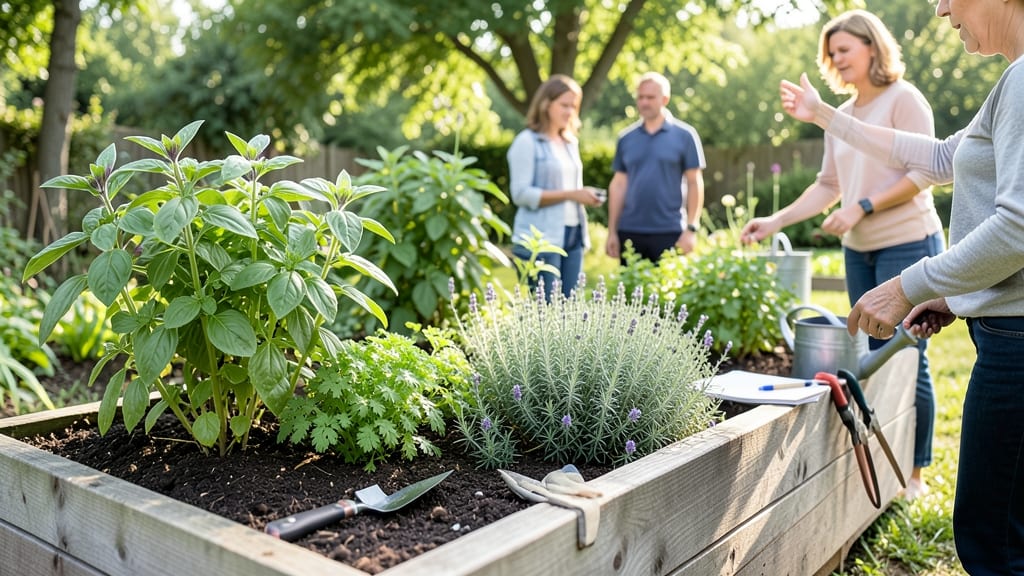
Finding gardening classes near me for adults provides practical training in plant cultivation, soil health, and seasonal gardening techniques through community-based workshops, university extension programs, or botanical garden sessions tailored to all experience levels. Many locations offer flexible scheduling to fit busy lifestyles.
Adult gardening classes near you go beyond basic plant care—they often include specialized topics like seasonal planting schedules or native plant ecosystems that adapt to your local climate. 🌱 Many programs pair theory with hands-on practice, such as building raised beds or troubleshooting pest issues, so you leave with immediately usable skills.
I’ve found that classes hosted by master gardeners or land-grant universities tend to offer the most structured curricula, while community gardens provide more informal mentorship opportunities.
What sets these classes apart is their focus on real-world application. Whether you're interested in growing vegetables, creating pollinator-friendly landscapes, or mastering pruning techniques, instructors typically provide take-home resources like planting guides or soil test kits.
The best programs also foster networking—connecting you with local gardening clubs or plant swaps to continue learning after the course ends.
💡 In This Article
- Types of Adult Gardening Classes and Their Focus Areas
- How to Find and Choose the Best Local Gardening Class
Types of adult gardening classes and their focus areas
Adult gardening classes near you typically fall into three main categories, each designed to meet different skill levels and interests. Beginner-friendly workshops often focus on foundational topics like soil composition, basic plant biology, and seasonal planting schedules.
These sessions usually include a mix of classroom instruction and hands-on activities, such as building simple raised beds or identifying common weeds. For example, a 6-week series might cover composting techniques, watering schedules, and how to choose plants suited to your hardiness zone.
The next level includes specialized courses like organic gardening, container gardening, or vegetable cultivation, which dive deeper into specific techniques. Organic gardening classes, for instance, often emphasize soil health, natural pest control, and sustainable practices—like using compost tea instead of synthetic fertilizers.
Container gardening workshops, on the other hand, teach space-efficient methods for balconies or small yards, including how to select lightweight potting mixes and drainage solutions. These classes typically have a 70/30 hands-on to lecture ratio, ensuring you leave with practical skills rather than just theory.
For those looking to refine their expertise, advanced horticulture courses focus on topics like pruning techniques, plant propagation, or even landscape design. These sessions often require prior experience and may include field trips to nurseries or botanical gardens.
For example, a pruning class might spend 3 hours outdoors practicing cuts on fruit trees, while a landscape design course could cover hardscaping elements like pathways or water features. The key difference here is the depth of knowledge—advanced classes often partner with local agricultural extensions or master gardener programs.
Many classes also cater to niche interests, such as edible landscaping, pollinator gardens, or even indoor hydroponics. Edible landscaping, for instance, teaches how to integrate vegetables like tomatoes or herbs into ornamental garden designs, while pollinator gardens focus on planting native flowers to support bees and butterflies.
These specialized topics often attract smaller class sizes (10-15 participants), allowing for more personalized instruction. The sensory experience—like smelling fresh herbs or touching velvety leaves—makes these classes especially engaging.
Seasonal timing plays a critical role in class offerings. Spring classes often focus on planting schedules and soil prep, while summer sessions might cover pest management and water conservation. Fall classes typically emphasize harvesting, seed saving, and preparing gardens for winter.
Some programs even offer year-round memberships, giving you access to monthly workshops and garden plots. This continuity ensures you’re always learning something new, whether it’s troubleshooting fungal diseases in summer or planning next year’s garden layout in winter.
What sets apart the most rewarding classes is their blend of education and community. Many programs include plant swaps, garden tours, or volunteer opportunities at local farms, which deepen your learning beyond the classroom.
For example, a vegetable cultivation class might end with a field trip to a nearby farm, where you’ll see firsthand how professional growers manage crops. These real-world connections often lead to lasting friendships and shared resources among participants.