
Tools
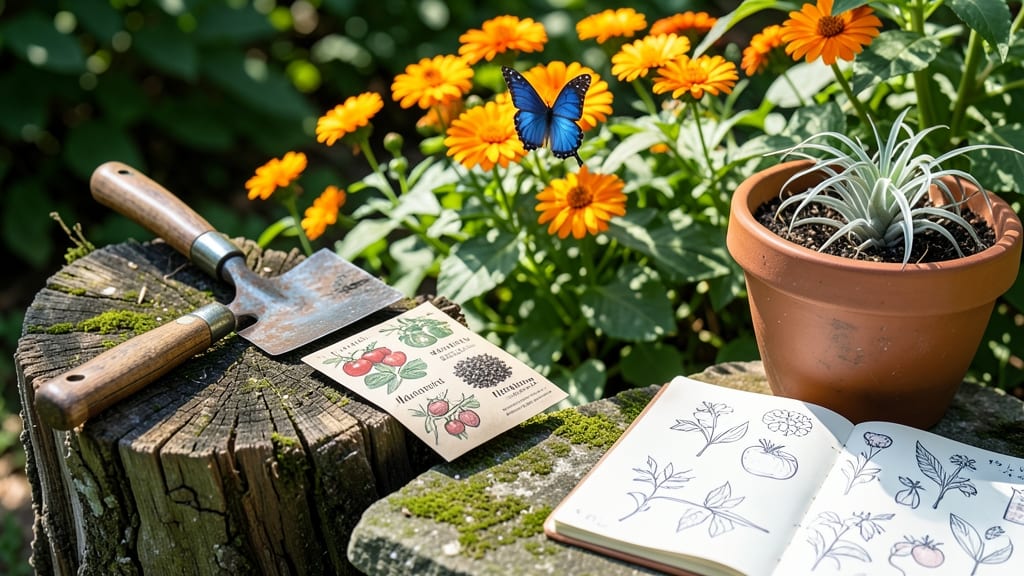
Other words for gardening include horticulture, landscaping, or gardencraft, each reflecting different focuses—whether it’s growing plants, designing outdoor spaces, or expressing creativity through green spaces.
This variety of terms helps clarify exactly what kind of work you're doing. Horticulture leans scientific, covering plant cultivation techniques and crop production, while landscaping emphasizes design and aesthetic elements. Gardencraft, a more artistic term, highlights the creative side of working with plants and outdoor spaces. 🌱 Even within gardening itself, you'll hear terms like cultivation for active plant care or floriculture when focusing specifically on flowers.
These distinctions matter whether you're talking to a botanist, a landscape architect, or your neighbor about their prize-winning roses.
What's fascinating is how these terms evolve over time and across regions. For example, arboriculture specifically refers to tree care, while viticulture covers grape-growing—both specialized branches of horticulture. Even everyday gardening tasks have their own colorful language: tending the garden, pruning back dead growth, or amending the soil.
These words don't just describe actions—they reflect centuries of gardening traditions and the deep connection people have with the earth.
💡 In This Article
- Horticulture vs Gardening: Key Differences and Specialized Terms
- Regional and Historical Slang for Gardening Work
Horticulture vs gardening: key differences and specialized terms
The distinction between horticulture and gardening lies in their scope and purpose. While gardening is a broad term for cultivating plants in gardens, horticulture is the scientific study and practice of growing fruits, vegetables, flowers, and ornamental plants.
Think of it as gardening with a microscope—horticulturists focus on plant biology, breeding techniques, and sustainable agricultural practices. For example, a gardener might grow tomatoes for their kitchen, while a horticulturist would study soil composition, disease resistance, and optimal growing conditions to improve tomato varieties. 🌱
Specialized terms like arboriculture (tree care) and floriculture (flower cultivation) further refine these categories. Arboriculture involves pruning, disease management, and tree health assessments, often used by professionals who work with urban forests or large estates. Meanwhile, floriculture centers on flower production, whether for bouquets, landscaping, or commercial markets.
These terms aren’t just academic—they reflect real-world applications. For instance, a floriculturist might develop new rose hybrids, while an arborist ensures oak trees thrive in city parks.
In professional or academic settings, these distinctions matter. A landscape architect might use horticulture to describe plant selection for a project, while a home gardener could simply say they’re tending their garden.
The language shifts based on context: botany (the study of plants) overlaps with horticulture but focuses more on classification and evolution, whereas gardencraft emphasizes creativity and hands-on skills. This precision helps avoid confusion when discussing everything from backyard veggie patches to large-scale agricultural systems.
Even everyday gardening tasks have technical terms rooted in horticulture. Pruning, for example, isn’t just cutting back plants—it involves understanding growth patterns and plant physiology to encourage healthier development.
Similarly, amending soil refers to adding nutrients like compost or lime to improve fertility, a practice backed by decades of horticultural research. These terms bridge the gap between casual gardening and professional plant science, making them useful for both hobbyists and experts.
Consider the difference between viticulture (grape-growing) and pomology (fruit cultivation). While both fall under horticulture, they address specific crops with unique challenges. Viticulturists focus on vineyard management and wine production, while pomologists might study apple tree diseases or berry harvesting techniques.
This specialization shows how horticulture breaks down into niche fields, each with its own vocabulary and expertise. 🌿
Historically, these terms evolved alongside gardening practices. In the 18th century, gardener’s art described the creative and technical skills of maintaining ornamental gardens, a term still used today in heritage contexts. Meanwhile, horticultural therapy emerged in the 20th century as a way to use gardening for mental and physical rehabilitation.
These examples highlight how language reflects the cultural and practical importance of working with plants.
The takeaway? Whether you’re a weekend gardener or a professional horticulturist, understanding these terms helps you communicate more effectively—and appreciate the depth behind something as simple as growing a tomato.
The right word can clarify your intentions, whether you’re discussing soil pH, pruning techniques, or the artistic layout of a flower bed. 🌺