
Companion Plants
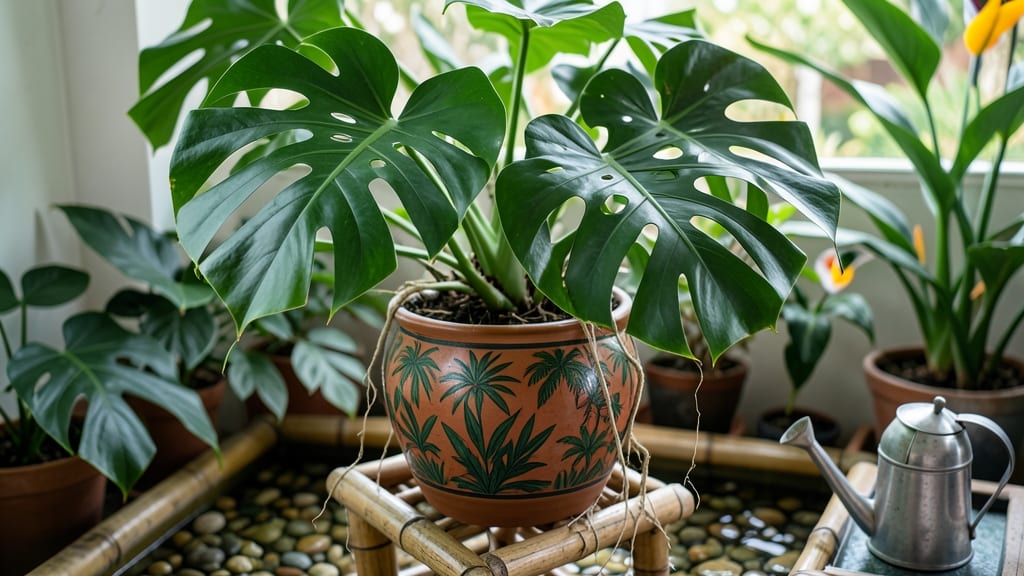
Gardening tropical plants 🌴 can turn your space into a lush, year-round oasis—but only if you nail three key factors: humidity, light, and soil.
Picture this: your hibiscus blooms all summer, your ferns stay vibrant, and your orchids thrive without fuss. The catch? Most gardeners overcomplicate it by focusing on fancy tools or rare varieties. The truth? Success starts with basics like a simple humidity tray or the right potting mix.
Tropical plants in Zones 10–12 love warmth and moisture, but even in cooler climates, you can recreate their environment with a few smart tricks. Whether you’re battling dry air indoors or adjusting for monsoon seasons outdoors, the right approach makes all the difference.
In this guide, I’ll break down exactly how to set up your tropical plants for thriving growth, from picking the perfect spot to troubleshooting common pitfalls—so you can enjoy that jungle vibe without the guesswork.
Tropical plant humidity requirements: how to mimic their natural environment
Tropical plants 🌿 thrive in humidity levels that mimic their native rainforest homes, where air moisture often hovers between 70% and 90%. In drier climates or indoor settings, achieving these levels can feel like a challenge—but it’s absolutely doable with the right strategies.
The key is understanding your specific plants’ needs and adapting your environment accordingly.
For example, ferns and calatheas crave 80%+ humidity, while orchids and hibiscus do well with 50-60% humidity. Even a 10% difference can mean the difference between lush growth and crispy brown edges.
Let’s break down how to create that perfect tropical microclimate, whether you’re working with a single plant or a whole collection.
🌱 Humidity Requirements by Plant Type
If you’re new to tropical gardening, start with a hygrometer—a small, affordable tool that measures humidity levels in real time. Place it near your plants to track conditions and adjust as needed.
For example, if your calathea’s leaves start curling, it’s a clear sign the air is too dry (below 50%).
One of the simplest DIY solutions is a pebble tray. Fill a shallow tray with water and smooth pebbles, then place your potted plants on top. As the water evaporates, it increases humidity around the plant.
For larger plants or collections, consider grouping them together—this creates a microclimate where the plants release moisture through transpiration, boosting humidity naturally.
A humidity dome is another game-changer for smaller plants like ferns or orchids. These clear plastic covers trap moisture and replicate the damp conditions of a greenhouse. Just remember to lift the dome occasionally for 10-15 minutes to prevent mold or fungal issues.
If you’re dealing with dry indoor air (common in winter), an ultrasonic humidifier near your plants can make a world of difference.
For outdoor tropical gardens, focus on mulching and shade cloth. A thick layer of mulch retains soil moisture and reduces evaporation, while shade cloth protects plants from harsh sun that can dry out the air around them.
In regions with seasonal dry spells, consider installing a mist irrigation system to keep humidity levels consistent.
One common mistake is assuming all tropical plants need the same humidity levels. For instance, orchids can tolerate slightly drier air than ferns, but they still need protection from central heating or air conditioning, which can drop humidity to 30% or lower.
Always pair your humidity efforts with proper watering techniques, like watering at the base of the plant rather than overhead to avoid fungal spores spreading.
Pro tip: Rotate your plants occasionally to ensure even exposure to humidity sources. If you notice yellowing leaves or brown tips, it’s often a sign of inconsistent humidity.
Adjust your setup and monitor for 2-3 weeks to see improvements. With the right balance, your tropical plants will reward you with vibrant foliage and stunning blooms year-round.
🌴 Ready to transform your space into a tropical paradise? Start small with one plant and a hygrometer, then expand your setup as you gain confidence. The key is patience—tropical plants thrive when you mimic their natural environment, not when you rush the process.
Optimal light conditions for tropical plants: balancing brightness and indirect sun
Tropical plants 🌿 often struggle indoors or in cooler climates because they crave specific light conditions that mimic their native rainforest habitats. Too much direct sun causes leaf burn, while too little leads to leggy growth and sparse foliage.
The key is finding that sweet spot—bright, indirect light—for most tropical varieties, with exceptions for sun-lovers like hibiscus.
Start by observing your plants' current location. If leaves are turning yellow or crispy at the edges, they’re getting too much direct sun. On the flip side, if growth is sparse and stems stretch toward the light, they need more brightness.
Most tropicals thrive with 6-8 hours of bright, filtered light daily, which you can achieve with sheer curtains or strategic window placement.
For indoor gardeners, grow lights are a game-changer. LED grow lights with a 6500K color temperature mimic natural daylight and can be placed 6-12 inches above plants for 12-14 hours daily. Rotate your plants weekly to prevent uneven growth, especially if using artificial light.
Outdoor tropicals need shade solutions like lattice screens or cloth shade sails to filter harsh afternoon sun. If your patio gets intense sunlight, opt for 50% shade cloth during peak hours (11 AM–3 PM). Even tropical natives like palms and bananas appreciate afternoon shade in hot climates.
Pro tip: Use a light meter (or a free app like "Light Meter") to measure lux levels in your space. Aim for 3000-5000 lux for most tropicals—this range prevents both sunburn and leggy growth. Adjust placement seasonally, as winter sunlight is less intense than summer.
Remember, every plant is unique. If you notice yellowing leaves or stunted growth, tweak the light exposure gradually. Tropical plants reward patience with lush foliage and vibrant blooms—so don’t be afraid to experiment until you find their perfect spot! 🌱