
Planting
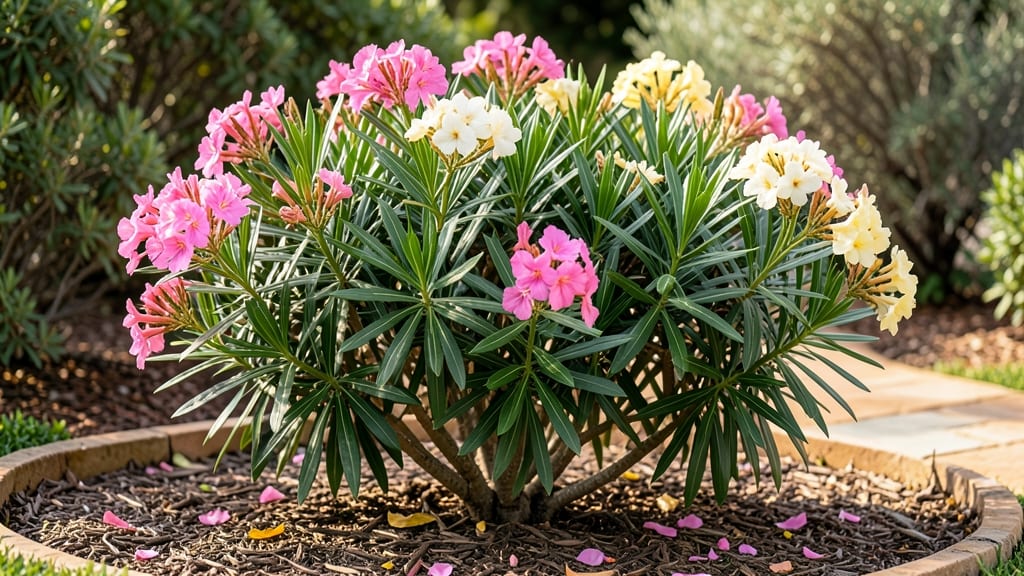
Gardening in Zone 8 lets you grow a wide variety of plants year-round thanks to its mild winters and extended growing season, where temperatures rarely drop below 10°F (-12°C). The key is selecting heat-resistant annuals, frost-tolerant perennials, and planning your planting schedule around seasonal shifts to protect tender crops from unexpected cold snaps.
Zone 8's climate—defined by those 10°F to 20°F (-12°C to -7°C) winter lows—creates a unique gardening playground. 🌱 Unlike colder zones, you can grow citrus trees in sheltered spots or overwinter sensitive plants like tomatoes in containers.
The real magic happens in microclimates: a south-facing wall might support tropical plants while nearby areas freeze harder. I’ve seen gardeners in Zone 8 extend seasons by using row covers in early spring or mulching heavily to protect roots during rare cold snaps.
This zone’s 300+ frost-free days mean you can experiment with double-cropping vegetables like lettuce or radishes—plant early spring crops, harvest, then replant with fall varieties. The trade-off? Heat waves in summer demand shade solutions for heat-sensitive plants like basil or spinach.
Mastering these patterns turns Zone 8 into one of the most rewarding gardening environments in the U.S.
💡 In This Article
- Understanding Zone 8 Climate and Microclimates
- Top Zone 8 Plants by Season and Purpose
Understanding Zone 8 climate and microclimates
Zone 8's climate thrives on its 300-360 frost-free days annually, where winter lows typically hover between 10°F and 20°F (-12°C to -7°C).
This range allows subtropical plants like citrus and olive trees to survive in sheltered microclimates, while frost-sensitive crops like tomatoes can be grown in containers for winter harvests. The extended growing season—often 6-7 months longer than colder zones—lets gardeners in places like Southern California or Georgia experiment with year-round production.
Microclimates play a starring role in Zone 8 gardening. A south-facing wall can create a 5-10°F warmer zone than the surrounding area, perfect for tender plants like bougainvillea or rosemary. Conversely, low-lying areas or urban heat islands may experience higher summer temperatures (95°F+), requiring shade solutions for heat-sensitive crops.
Water bodies like lakes or ponds create their own microclimates by moderating temperatures—areas within 100 feet of water can stay 5-8°F cooler in summer and 3-5°F warmer in winter compared to inland spots.
Elevation changes also dramatically alter growing conditions. In mountainous Zone 8 regions like Northern California, temperatures can drop 10°F per 1,000 feet elevation gain, creating distinct microclimates even within the same county.
This is why gardeners at 2,000 feet elevation might successfully grow peaches, while those at 5,000 feet need to focus on cold-hardy varieties like apricots. Urban areas present another challenge: concrete and asphalt absorb heat, creating "heat domes" that can push summer temperatures 10°F higher than rural surroundings.
These microclimatic variations explain why Zone 8 gardeners achieve such diversity. In my own Los Angeles garden, I've grown lemon trees against my south wall while maintaining a thriving vegetable bed just 10 feet away that handles 32°F nights with row covers.
The key is observing your specific conditions—tracking temperatures with a minimum-maximum thermometer for at least a year reveals which plants will thrive in your unique pocket of Zone 8.
Seasonal wind patterns also influence planting success. Coastal Zone 8 areas experience cool summer breezes that prevent heat stress in plants like basil, while inland regions may face hot, dry Santa Ana winds that require extra mulching.
These winds can dry out soil 2-3 times faster than normal, making irrigation timing critical. 🌿 Understanding these local factors lets you push boundaries—like overwintering eggplants in containers or extending spring harvests with cold frames.
One often-overlooked factor is soil temperature. Zone 8 gardeners should aim for 60°F soil temps before planting warm-season crops like peppers, which may require black plastic mulch to raise temperatures 5-8°F above ambient. In contrast, cool-season crops like broccoli perform best when soil stays below 70°F.
This explains why some gardeners in Zone 8's southern edge (like Miami) can grow year-round vegetables, while those in northern Zone 8 (like Nashville) experience shorter growing windows for heat-loving crops.
The most successful Zone 8 gardeners treat their space like a puzzle, using windbreaks, shade cloths, and strategic planting to create optimal conditions.
A simple 6-foot tall fence on the north side of your garden can extend the growing season by 2-3 weeks in spring and fall by reducing cold air drainage. This precision gardening transforms Zone 8's challenges into opportunities for creative, high-yield growing.