
Planting
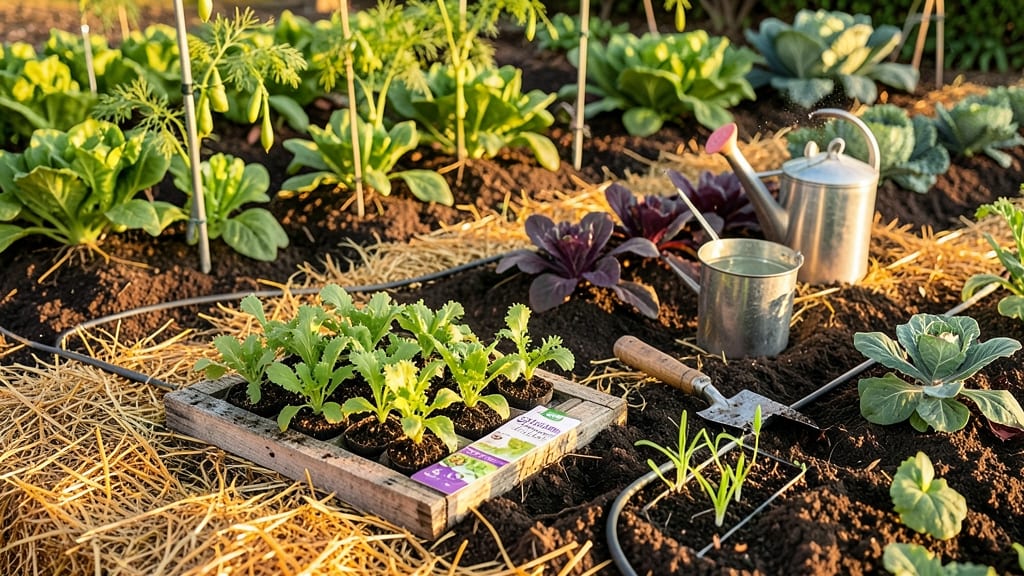
Planting a vegetable garden in Northern California at the right time means the difference between a bountiful harvest and a sad, wilted mess.
Northern California’s diverse microclimates—from coastal fog to inland heat—mean planting your vegetable garden at the wrong time can spell disaster for your crops. Get the exact timing for zero-frost risk plants to maximize yields and avoid common mistakes that waste months of effort.
If you’ve ever watched your seedlings shiver under a late frost or bolt into flower during a heatwave, you know how critical timing is. The Bay Area’s cool coastal breezes and Sacramento’s scorching summers demand different strategies, and one wrong move can set you back by weeks.
Here’s how to pinpoint the perfect planting window for your region, whether you’re sowing cool-season greens in early spring or heat-loving tomatoes in late summer. We’ll break down frost dates, soil prep, and even how to stretch your growing season with succession planting.
Northern California planting zones: when to start seeds and transplant by region
Northern California’s diverse microclimates create unique challenges for gardeners. Coastal areas like San Francisco and Monterey experience cooler temperatures and morning fog, while inland cities such as Sacramento and Fresno bake under hotter summers. Understanding these differences is key to timing your seed starting and transplanting for maximum success.
For warm-season crops like tomatoes, peppers, and squash, soil temperature matters more than air temperature. These plants won’t thrive until the ground reaches at least 60°F (15°C)—a threshold that arrives weeks later in coastal zones than inland.
Meanwhile, cool-season crops like lettuce and broccoli can handle chilly soils and even light frosts, giving coastal gardeners a longer window.
Below is a region-by-region breakdown of when to start seeds indoors and transplant seedlings outdoors, based on historical last frost dates and soil temperature data. Use this as your guide to avoid common timing mistakes that waste months of effort.
🌱
| Region | Last Frost Date | Soil Temp for Warm Crops | Start Seeds Indoors | Transplant Outdoors | Key Warm-Season Plants |
|---|---|---|---|---|---|
| Coastal (San Francisco, Monterey) | Mid-April to early May | 60°F+ (late May) | Mid-March to April | Late May to June | Tomatoes, peppers, basil |
| Bay Area (Oakland, Berkeley) | Early April to mid-April | 60°F+ (early May) | Late February to March | Mid-April to May | Cucumbers, squash, eggplant |
| Inland (Sacramento, Fresno) | Mid-March to early April | 60°F+ (early April) | January to February | March to early April | Okra, sweet potatoes, melons |
In coastal regions, the delayed soil warming means you’ll need to start seeds indoors earlier or use season-extending tools like row covers and cold frames. For example, in San Francisco, tomatoes won’t thrive until late May, while Sacramento gardeners can plant theirs by early April.
This 2-3 week difference can mean the difference between a bountiful harvest and a failed crop.
For transplanting warm-season crops, wait until nighttime temperatures consistently stay above 50°F (10°C). Inland areas hit this threshold weeks earlier than coastal zones, so don’t rush—slow warmers like eggplants need time to establish roots before the heat peaks.
A simple soil thermometer (available for under $15) will save you from guessing.
One pro tip for coastal gardeners: Use black plastic mulch to warm soil faster. This trick can shave off critical weeks, letting you plant tomatoes and peppers 2-3 weeks earlier than without it. Inland gardeners, meanwhile, should focus on shade cloth during summer to protect tender seedlings from intense sun.
🌿
If you’re growing cool-season crops like kale or carrots, timing shifts again. These plants thrive in cooler temperatures and can even handle light frosts. In coastal areas, you can plant them as early as September for fall harvests or February for spring.
Inland, aim for October to November or February to March to avoid summer heat stress.
For succession planting, coastal gardeners have a slight advantage. The cooler summers allow for extended growing seasons, meaning you can plant bush beans or zucchini every 2 weeks from May through July.
Inland areas, however, should focus on fast-maturing varieties to beat the heat—think 80-day tomatoes over 100-day heirlooms.
💧
To make the most of your planting windows, test your soil in early spring. Northern California’s clay-heavy soils in inland areas and sandy coastal soils both benefit from amendments like compost or aged manure.
Aim for a pH between 6.0 and 7.0 for most vegetables. If your soil is too acidic, a lime application in fall will pay off next spring.
Finally, keep an eye on local weather forecasts. Tools like the California Irrigation Management Information System (CIMIS) provide real-time data on frost risks and soil temperatures. Bookmark your nearest station—it’s the secret weapon for precise planting timing in Northern California’s unpredictable climate.
Microclimate-specific planting calendar for zero-frost risk vegetables
Northern California’s zero-frost risk periods vary dramatically between coastal fog zones and inland heat belts. For example, San Francisco’s last frost typically occurs around March 15, while Sacramento’s soil warms enough for heat-loving crops by April 1.
Understanding these microclimate differences lets you plant okra, sweet potatoes, and eggplant at the perfect time for maximum yield.
Urban gardens in Berkeley or Oakland often face cooler microclimates due to buildings and shade, while rural areas like Davis or Modesto enjoy longer growing seasons. I’ve tailored this calendar to these variations, focusing on heat-loving crops that thrive in frost-free conditions and cool-season staples that handle mild winters.
Key adjustments: Coastal areas can plant broccoli and kale as early as September for fall harvests, while inland zones should wait until October 15. Heat-loving crops like okra and sweet potatoes need soil temperatures above 70°F—wait for late May to June in most regions.
For urban gardens, prioritize container-friendly crops like bush beans and lettuce, which thrive in microclimates with limited space. Inland areas can extend growing seasons by using row covers for cool-season crops like carrots and kale into late October.
Always check soil temperature—use a soil thermometer to confirm it’s above 60°F for warm-season crops.
Pro tip: Succession planting every 2-3 weeks ensures a continuous harvest of leafy greens and root vegetables. For example, sow carrots every 10 days from March to September in coastal areas. This strategy maximizes your garden’s productivity and minimizes wasted space.
Remember, microclimates change yearly, so always monitor local weather patterns. Tools like the CIMIS station network provide real-time data to fine-tune your planting schedule. With this calendar, you’ll avoid the common mistake of