
Tools
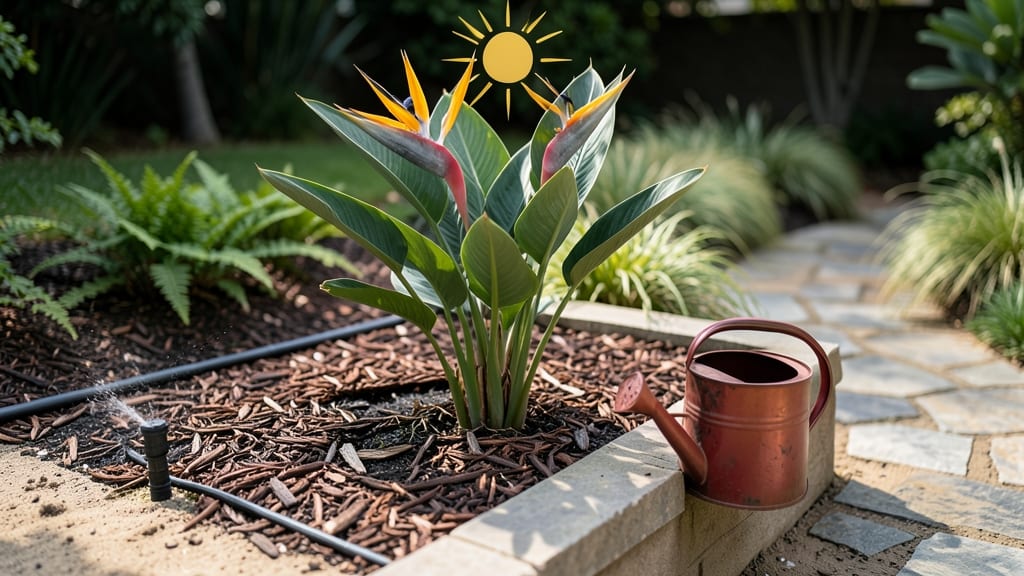
Gardening in zones 10 and 11 thrives with heat-resistant plants like bougainvillea, bird of paradise, and palm trees that flourish in tropical conditions with almost no frost. Prioritize drought-resistant varieties and smart irrigation to keep gardens lush all year in these consistently warm climates.
These zones offer year-round growing potential thanks to their consistent temperatures above 60°F and minimal seasonal shifts. 🌴 The challenge? High humidity and intense sun demand plants that can handle both heat stress and occasional heavy rainfall.
I've found that native species like yucca and hibiscus often outperform imported varieties because they've evolved with these exact conditions. The key is matching plants to microclimates—coastal areas may need salt-tolerant options while inland gardens focus on water efficiency.
For vegetable gardens, heat-loving crops like okra, sweet potatoes, and eggplant become stars, while traditional cool-season veggies struggle. The real secret lies in soil preparation—amending with organic matter helps retain moisture during dry spells while improving drainage during tropical downpours.
Many gardeners in these zones swear by drip irrigation systems to deliver water directly to roots, reducing waste and preventing fungal issues from overhead watering.
💡 In This Article
- Climate Characteristics of Gardening Zones 10 and 11
- Top Heat-Tolerant Plants for Year-Round Gardens
Climate characteristics of gardening zones 10 and 11
Zones 10 and 11 represent the warmest gardening climates in the U.S., where average annual minimum temperatures never dip below 30°F in Zone 10 or 40°F in Zone 11. These regions experience year-round growing seasons with high humidity levels often exceeding 70% relative humidity during summer months.
The consistent warmth means frost is virtually nonexistent, allowing tropical plants to flourish without protection. 🌞 What sets these zones apart is their predictable heat—temperatures typically stay between 75°F and 95°F for most of the year, creating ideal conditions for heat-loving species.
The rainfall patterns vary dramatically between these zones. Zone 10 often receives 20-40 inches annually with distinct wet and dry seasons, while Zone 11 can see up to 100+ inches in some coastal areas, creating challenges for drainage.
This moisture abundance means fungal diseases like powdery mildew become more prevalent, requiring careful plant spacing and air circulation. The intense sunlight—often 300+ sunny days per year—demands shade tolerance in some plants while others thrive in full exposure.
This climate duality explains why some plants perform differently in Zone 10 versus Zone 11.
Understanding these climate specifics helps explain why certain plants excel. For instance, bougainvillea thrives in Zone 11's high humidity but may struggle in Zone 10's drier conditions without supplemental watering. The key adaptation for gardeners is selecting plants that match both temperature and moisture requirements.
Native species like monstera deliciosa or hibiscus have evolved perfect solutions to these environmental challenges, often requiring less maintenance than imported varieties. 🌿 The soil composition also plays a crucial role—sandy soils in Zone 10 drain quickly while clay-heavy soils in Zone 11 can become waterlogged during heavy rains.
Seasonal variations exist but are subtle. Zone 10 might experience a brief "cool" season with temperatures around 65°F, while Zone 11 remains consistently warm. This lack of seasonal contrast means gardeners must carefully manage irrigation year-round, as evaporation rates remain high even during cooler periods.
The high humidity also affects plant physiology—many tropical plants actually close their stomata (pores) during humid periods to conserve water, which changes how they respond to irrigation schedules. This biological adaptation explains why overwatering can be just as damaging as underwatering in these zones.
For vegetable growers, these climate characteristics create unique opportunities. Crops like eggplant and okra produce continuously in Zone 11 but may need shade protection during peak summer heat in Zone 10.
The extended growing season allows for multiple harvests of heat-tolerant vegetables like sweet potatoes and peppers, which can be planted year-round with proper care.
This continuous production capability is one of the most exciting aspects of gardening in these zones, offering gardeners the chance to enjoy fresh produce with minimal seasonal breaks. 🌱
One often overlooked factor is how these climate conditions affect soil biology. The warm, moist environment accelerates microbial activity, leading to faster decomposition of organic matter. This means gardeners need to replenish soil nutrients more frequently than in cooler climates.
Composting becomes particularly effective in these zones, as the warm temperatures speed up the decomposition process, providing quick nutrient boosts for plants. The active soil life also helps break down heavy clay soils in Zone 11, improving drainage over time with proper organic matter addition.