
Light Requirements
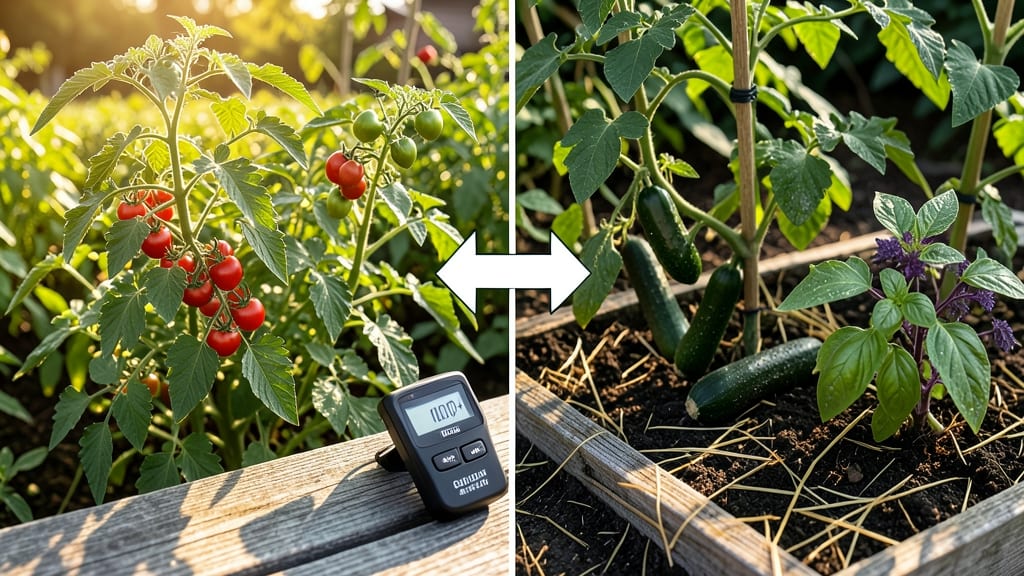
Vegetable gardens need full sun, but their shade tolerance depends on the plant type—leafy greens like lettuce grow well in partial shade, while fruiting plants such as tomatoes and peppers demand at least 6+ hours of direct sunlight daily. Aligning plant placement with available light maximizes yield and quality.
Most vegetables rely on sunlight for photosynthesis, but their specific needs vary dramatically. 🌱 Leafy greens like spinach and Swiss chard actually prefer partial shade to prevent bolting, while root vegetables such as carrots and beets can handle moderate shade without sacrificing growth.
The key is understanding each plant's light requirements—some, like basil, become bitter in too much sun, while others, like zucchini, wilt without enough. I always recommend testing your garden's light exposure first by observing which areas receive direct sunlight for different durations throughout the day.
For urban gardeners or those with limited sunlight, shade-tolerant varieties provide excellent options.
Kale, bush beans, and radishes can thrive in spots receiving just 3-4 hours of sunlight, making them perfect for container gardens or north-facing patios. 💫 The secret lies in companion planting—pairing sun-loving tomatoes with shade-friendly lettuce creates a balanced microclimate that makes efficient use of available light while preventing competition for resources.
💡 In This Article
- How Sunlight Affects Vegetable Growth and Photosynthesis
- Best Vegetables for Shady Gardens and Low-Light Spots
How sunlight affects vegetable growth and photosynthesis
Sunlight is the energy source that drives photosynthesis—the process where plants convert carbon dioxide and water into glucose and oxygen using chlorophyll.
In vegetables, this process produces the sugars and starches that fuel growth, with 6-8 hours of direct sunlight being the sweet spot for most fruiting plants like tomatoes and peppers.
These plants have higher chlorophyll concentrations and larger leaf surfaces to capture maximum light, which is why they develop their signature flavors and textures when exposed to full sun. 🔥
Leafy greens like spinach and lettuce operate differently—they prioritize leaf production over fruit development, so they can thrive in 3-6 hours of sunlight. Their photosynthesis efficiency kicks in at lower light levels because they've evolved to grow quickly in shaded forest understories.
What's fascinating is how shade affects flavor: basil grown in partial shade produces sweeter, more aromatic leaves, while spinach exposed to too much sun develops bitter compounds as a stress response. The light spectrum matters too—blue wavelengths (600-500nm) drive leafy growth, while red wavelengths (700-600nm) boost fruiting.
When vegetables don't get enough light, their growth patterns change dramatically. Tomatoes grown with insufficient sunlight produce smaller, paler fruits with fewer seeds and less lycopene—the antioxidant that gives them their vibrant color and health benefits.
The same goes for peppers, which develop thinner walls and milder flavors. 💫 Even the plant's internal clock gets disrupted: insufficient light triggers early flowering in cool-season crops like lettuce, causing them to bolt (send up flower stalks) before reaching full maturity.
This is why gardeners in northern climates often use shade cloth in summer to prevent bolting in heat-sensitive greens.
Temperature plays a surprising role in light requirements. Warm-season vegetables like eggplants and peppers need both high light and warmth to thrive—they can't compensate for low light with extra heat. Conversely, cool-season crops like kale and Swiss chard can handle partial shade because their optimal growing temperatures are lower (50-65°F).
The key is matching light exposure to each plant's native growing conditions: tropical vegetables from regions with intense sunlight will struggle in shady spots, while temperate varieties adapt better to lower light.
Here's what happens at the cellular level: chlorophyll molecules in plant leaves absorb light energy, which excites electrons that then power the conversion of carbon dioxide to glucose. In low-light conditions, plants produce more chlorophyll to capture whatever light is available, which is why shade-grown vegetables often appear darker green.
However, this adaptation comes at a cost—they allocate fewer resources to fruit production, resulting in smaller yields. 🌱 For example, a tomato plant in full sun might produce 20-30 pounds of fruit per season, while the same variety in partial shade might yield only 5-10 pounds.
One often-overlooked factor is light quality. Artificial grow lights can supplement natural light, but their spectrum matters—full-spectrum LED lights that mimic sunlight's balance of blue and red wavelengths work best.
Traditional incandescent bulbs produce too much heat and too little blue light, while fluorescent lights often lack sufficient red wavelengths for fruiting plants. The ideal solution combines natural sunlight with supplemental lighting during cloudy periods, especially in indoor or greenhouse settings where light control is possible.