
Planting
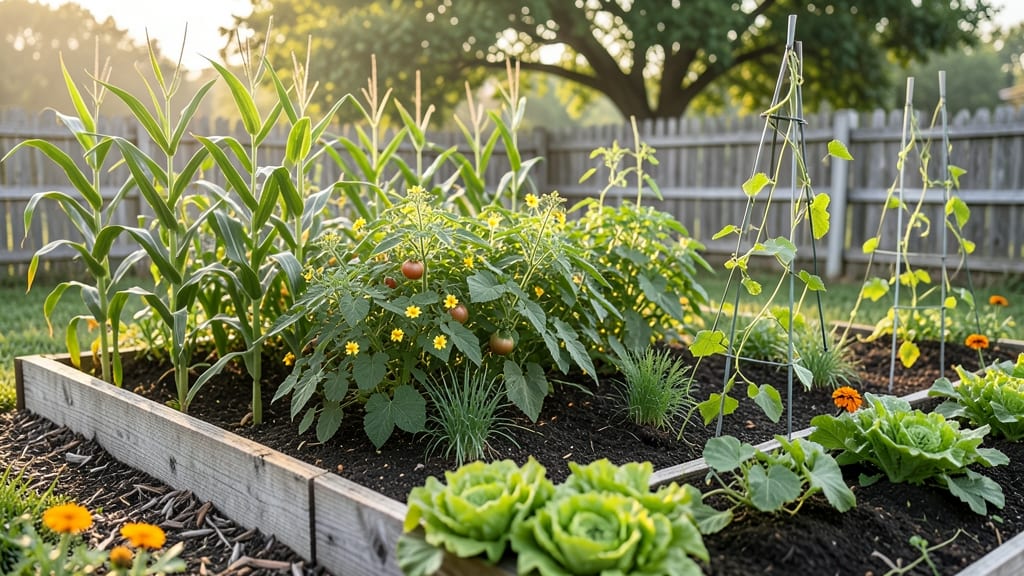
To plant a vegetable garden in Iowa, start cool-season crops like peas and spinach as early as late March in southern zones, but wait until mid-April in northern areas after the last frost.
Iowa’s unpredictable frost dates can make or break your vegetable garden—plant too early, and you risk losing your hard work to late frosts; too late, and your harvest shrinks. Timing is everything, but mastering Iowa’s planting zones and crop-specific schedules doesn’t have to be a guess.
With USDA zones 4a-5b spanning the state, your planting window shifts dramatically from Des Moines to Sioux City. Some years, you’ll get a head start; others, you’ll need to play the waiting game.
The key is knowing your zone’s average frost dates and adjusting for the crops you love—whether it’s tomatoes, corn, or cold-hardy greens.
Below, I’ll break down the exact planting timeline for your region, plus pro tips for beating Iowa’s weather quirks—so you can grow a garden that thrives, not just survives.
Iowa’s frost dates by planting Zone: key deadlines for starting seeds and transplanting
Iowa spans USDA Hardiness Zones 4a through 5b, meaning frost dates vary dramatically—from mid-April in southern Iowa to late May in the north. These shifts dictate when to start seeds indoors, transplant seedlings, and sow directly in the garden.
Understanding your zone’s average last frost date helps you avoid losing tender plants to unexpected freezes while maximizing your growing season.
For Zone 4a (northwest Iowa), the last spring frost typically arrives around May 15-20, while Zone 5b (southeast Iowa) sees its final frost closer to April 15-25. These dates aren’t set in stone—some years, late frosts linger into June, especially in higher elevations or open fields.
Always have frost cloth or row covers on hand to protect young plants during unpredictable weather.
Cold-hardy crops like spinach, peas, and kale can handle light frosts and should be planted 4-6 weeks before your last frost date. Meanwhile, tomatoes, peppers, and eggplants need soil temperatures above 60°F and should wait until 2 weeks after your last frost.
Use a soil thermometer to confirm warmth before planting warm-season crops.
Northern Iowa gardeners in Zone 4b (e.g., Sioux City) often start seeds indoors in early March for transplants by late May, while southern gardeners in Zone 5a (e.g., Des Moines) can begin sowing outdoors as early as mid-April.
This regional flexibility means your neighbor’s success story might not match your timeline—always adjust based on your microclimate.
Here’s a quick reference for Iowa’s average last frost dates by zone, along with ideal planting windows for common vegetables. Use this as your starting point, then fine-tune with local observations or Iowa State University Extension Service resources.
| USDA Zone | Avg. Last Frost | Cold-Hardy Crops (Direct Sow) | Warm-Season Crops (Transplant) | Fall Planting Window |
|---|---|---|---|---|
| 4a (NW IA) | May 15-20 | Peas, spinach, kale (Mar 15-Apr 1) | Tomatoes, peppers (May 25-Jun 1) | Broccoli, lettuce (Aug 15-Sep 15) |
| 4b (Central IA) | May 1-10 | Radishes, carrots (Mar 20-Apr 10) | Cucumbers, beans (May 10-May 20) | Kale, Swiss chard (Aug 1-Sep 10) |
| 5a (SE IA) | April 15-25 | Onions, potatoes (Mar 1-Apr 15) | Squash, corn (Apr 25-May 10) | Spinach, peas (Aug 15-Oct 1) |
| 5b (Southeast IA) | April 1-10 | Lettuce, peas (Feb 20-Mar 15) | Peppers, eggplants (Apr 15-Apr 30) | Radishes, arugula (Aug 1-Oct 15) |
*Dates are averages—always monitor local forecasts and adjust for microclimates.
For fall planting, aim to sow cool-season crops 60-90 days before your first frost, which typically arrives between October 10 (Zone 5b) and October 30 (Zone 4a).
Fast-maturing crops like radishes and lettuce can handle light frosts, while broccoli and cabbage benefit from a light row cover to extend their harvest into winter.
Pro tip: Use Iowa’s "5
Best vegetables to plant in Iowa by season: a month-by-month crop guide
Iowa’s growing season offers a perfect window for cool-season crops in spring and warm-season favorites in summer. By aligning your planting schedule with Iowa’s average frost dates (typically April 15–May 1 for last frost and October 15–November 1 for first frost), you can maximize yields.
Start with hardy greens in early spring, then transition to heat-loving tomatoes and peppers as temperatures rise.
Extending your season with row covers or cold frames lets you grow spinach into June or kale until hard frosts. In this guide, I’ll break down the best vegetables to plant each month, from March’s cold-hardy starts to October’s late-season harvests, plus pro tips for Iowa’s variable climate.
- 🌿 March: Start peas, spinach, lettuce, and onions indoors or under row covers. Soil temps should reach 40°F+.
- 🌱 April: Plant potatoes, radishes, carrots, and broccoli. Wait until soil warms to 50°F+ for tomatoes and peppers (start indoors in late March).
- ☀️ May: Transplant tomatoes, peppers, cucumbers, and beans. Direct-sow corn and squash after last frost (usually May 10–20).
- 🌻 June: Succession plant lettuce, bush beans, and zucchini. Harvest early spring crops like peas and radishes.
- 🌿 July: Plant fall greens (kale, spinach, arugula) for late harvests. Watch for tomato blight—prune and space plants for airflow.
- 🍂 August: Direct-sow turnips, beets, and garlic for fall/winter harvests. Extend tomato season with row covers.
- 🍁 September–October: Plant cold-hardy crops (onions, garlic, winter rye). Harvest squash, pumpkins, and late tomatoes before frosts.
For cool-season crops like spinach and lettuce, aim to plant 4–6 weeks before your average last frost date. In Iowa, this often means late March to early April. Use black plastic mulch to warm soil faster for tomatoes and peppers, which thrive when soil hits 60°F+.
Succession planting is key for a continuous harvest. For example, sow radishes every 2 weeks from April to July for a steady supply. In July and August, focus on heat-tolerant varieties like Malabar spinach or Okra if your summer stretches into 90°F+ temps.
Don’t overlook fall planting! Garlic and onions planted in September or October will overwinter and produce robust bulbs next year. Use straw mulch to protect roots from freeze-thaw cycles during Iowa’s unpredictable winters. With the right timing, you can enjoy homegrown veggies from spring greens to winter squash!