
Planting
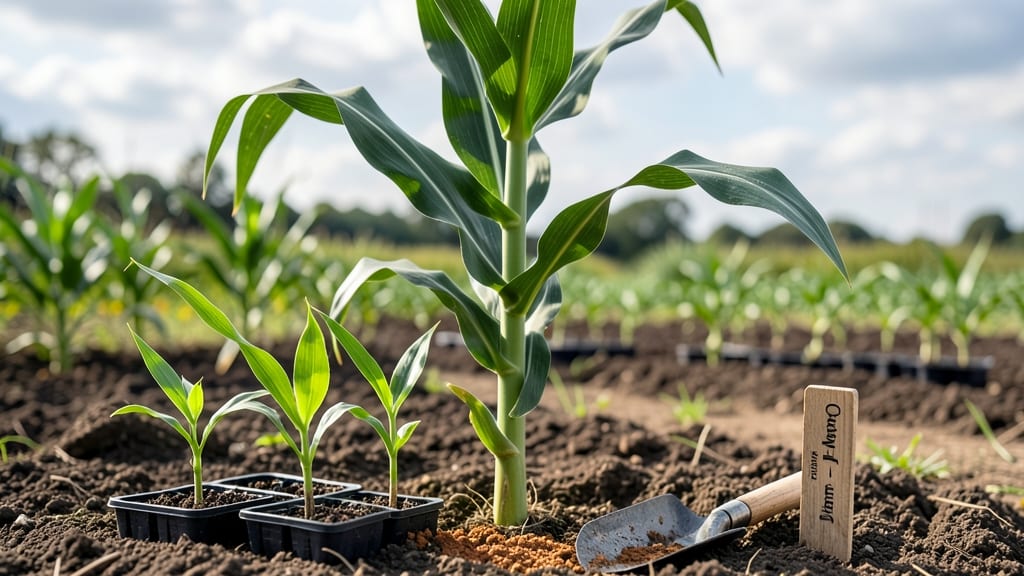
Planting a garden in Iowa means working with a 150-day growing season and frost dates that shift yearly—get the timing wrong, and you’ll either freeze your seedlings or miss peak harvests.
Iowa’s unpredictable frost dates can make or break your garden—plant too early and risk losing your hard work, too late and miss peak harvests. Timing isn’t just about the calendar; it’s about understanding Iowa’s unique microclimates and crop-specific needs.
From cool-season greens like spinach to heat-loving tomatoes, each 🌱 garden vegetable has its own ideal window. Northern Iowa’s 5a zone plays by different rules than southern 6b, and even a week’s delay can mean the difference between a bountiful harvest and a sad, wilted disappointment.
Here’s your zone-by-zone guide to planting after last frost, plus pro tips to stretch the season and avoid common mistakes—so you can finally grow the garden of your dreams without the guesswork.
Iowa’s frost-free planting zones: when to start seeds indoors vs. outdoors
Iowa’s USDA Hardiness Zones 5a-6b create unique challenges for gardeners, with last frost dates ranging from early April in southern Iowa to mid-May in the north. Understanding these zones helps you time seed starting indoors and outdoor planting perfectly to maximize your harvest.
For example, zone 5a gardeners in northern Iowa face a shorter growing season than those in zone 6b near the Missouri border.
Your first frost typically arrives between October 10-20, leaving you with 150-180 frost-free days to grow vegetables. This means warm-season crops like tomatoes and peppers need early starts indoors, while cool-season crops like spinach and kale can often be sown directly after frost danger passes.
Let’s break down your zone-specific timeline for both indoor seed starting and outdoor planting.
For zone 5a, begin indoor seed starting in early March for tomatoes, peppers, and eggplants, which need 6-8 weeks of warmth before transplanting. Meanwhile, cool-season crops like lettuce and radishes can go straight into the garden as early as late March under row covers.
In zone 6b, you can push these dates back by 2-3 weeks, giving you more flexibility for early spring planting.
Your warm-season vegetables—such as corn, beans, and squash—shouldn’t go into the ground until after your last frost date. In zone 5a, this means waiting until May 20-25, while zone 6b gardeners can plant as early as April 15-25.
Use black plastic mulch to warm the soil faster if you’re eager to get a head start.
Don’t overlook perennials and flowers, which often have different timing needs. Hardy perennials like coneflowers and black-eyed Susans can be planted in early spring (March-April) or early fall (September-October) to establish strong roots before winter. Tender perennials, such as canna lilies, should wait until after the last frost or be started indoors in late February.
If you’re growing heat-sensitive crops like cucumbers or melons, start them indoors 4-6 weeks before your planned outdoor transplant date. For example, in zone 5b, begin cucumber seeds indoors around February 25 for a May 5 transplant.
This gives them enough time to harden off and adjust to Iowa’s cool spring nights.
For cool-season crops, timing is equally critical. Spinach and peas can handle light frosts, so sow them 4-6 weeks before your last frost date.
In zone 6a, this means planting peas by March 10 for an early harvest. Bok choy and kale are even more cold-tolerant and can be sown as early as February in zone 6b, with successive plantings every 2-3 weeks for continuous harvests.
Pro tip: Use Iowa State University’s Frost Date Calculator for your specific location, as microclimates (like urban heat islands or hilltops) can shift frost dates by 1-2 weeks.
Always keep a frost cloth handy for late-season crops like broccoli or Brussels sprouts, which can extend your harvest into October or November.
Finally, remember that fall planting is just as important as spring. In zone
Best planting timeline for Iowa’s top vegetables and flowers
Mastering Iowa’s planting schedule means aligning your garden with the state’s average last frost dates—typically April 15 in southern Iowa and May 1 in northern regions.
Cool-season crops like lettuce and spinach thrive when planted 4-6 weeks before frost, while warm-season favorites such as tomatoes and peppers need to wait until 2-3 weeks after the last frost.
Southern Iowa’s longer growing season lets you squeeze in extra harvests, but northern areas must work with shorter windows.
Succession planting is your secret weapon for continuous harvests. By staggering plantings every 2-3 weeks, you can enjoy fresh produce from June through October. For example, plant bush beans every 2 weeks from late May to early July, ensuring a steady supply.
Flowers like marigolds and zinnias also benefit from staggered plantings—they’ll bloom nonstop from summer through fall.
- 🥬 Cool-Season Crops (Lettuce, Spinach, Peas): Plant March 15-April 15 (southern Iowa) or April 1-May 1 (northern Iowa). Use row covers to extend early season.
- 🍅 Warm-Season Crops (Tomatoes, Peppers, Corn): Start seeds indoors March 1-April 1, transplant after May 15 (southern) or June 1 (northern).
- 🌽 Corn: Plant April 20-May 10 (southern) or May 10-June 1 (northern). Block planting ensures pollination—space rows 30 inches apart.
- 🌻 Flowers (Marigolds, Zinnias, Sunflowers): Direct-sow after last frost (April 15-May 1). Succession plant every 3 weeks for continuous blooms.
- 🥕 Fall Crops (Kale, Carrots, Radishes): Sow July 15-August 15 for harvests before first frost (October 15). Use black plastic mulch to warm soil.
Iowa’s northern regions (Zone 5a) face shorter seasons, so prioritize fast-maturing varieties like bush beans (50 days) and radishes (25 days). Southern Iowa (Zone 6a) can handle longer-season crops like heirloom tomatoes (80+ days) and sweet corn (90 days).
Always check seed packets for days to maturity—this determines your planting window.
Don’t overlook succession planting for flowers. For example, sow cosmos seeds every 4 weeks from May to July to enjoy blooms from summer through frost. This technique also works for basil and cilantro, which bolt quickly in Iowa’s heat.
Mark your calendar for August 1—this is your last chance to plant cool-season crops for a fall harvest.
Pro tip: Use Iowa State University’s frost date maps to refine your timeline. Urban areas like Des Moines often warm up faster than rural zones, giving you a 2-3 week advantage.
Adjust your schedule based on microclimates, like south-facing slopes that warm earlier in spring. Always have row covers ready to protect tender seedlings from unexpected late frosts.
With these crop-specific timelines, you’ll transform Iowa’s challenges into opportunities for a bountiful, extended harvest. Start with cool-season crops in early spring, transition to warm-season staples after frost, and end with hardy fall plants. Happy planting! 🌿