
Planting
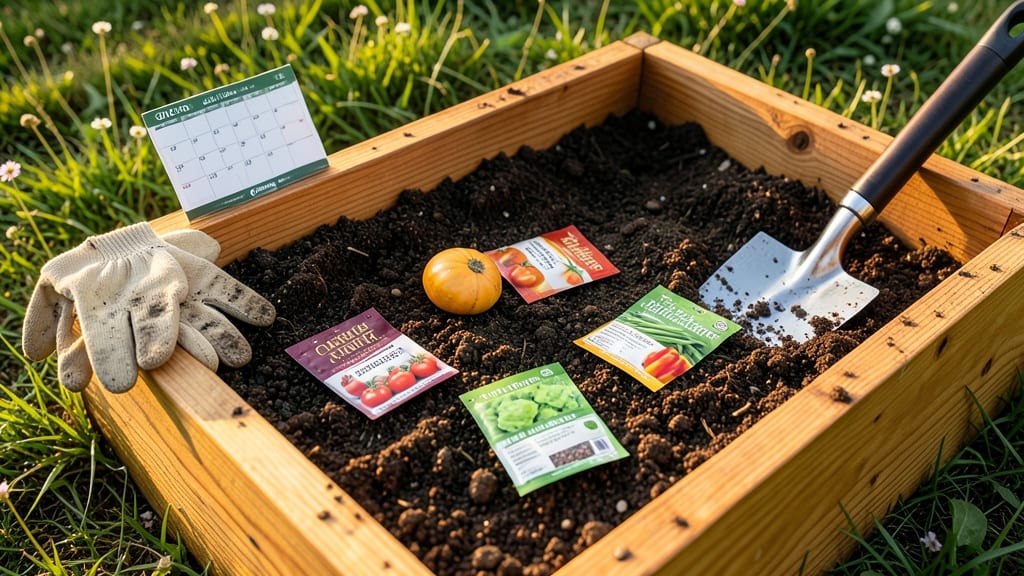
Planting a vegetable garden in Oklahoma at the right time means the difference between a bountiful harvest and a sad, wilted disappointment.
Oklahoma’s diverse microclimates—from the humid Southeast to the arid Panhandle—mean your vegetable garden’s success depends on planting at the perfect time. Get the exact zero-frost-risk start dates for 20+ crops, tailored to your county’s unique growing zone.
If you’ve ever rushed to plant tomatoes only to watch them fry in a sudden heatwave, or waited too long for peppers to mature before the first frost, you know timing is everything.
This guide gives you the precise windows for spring and fall planting, plus adjustments for Oklahoma’s unpredictable weather.
You’ll learn which crops thrive in your specific zone, how to stretch your growing season with simple tricks, and the top 10 heat-tolerant varieties that never fail—even in Oklahoma’s 180–220-day growing windows. Let’s get your garden planted right.
Oklahoma planting calendar by microclimate: zero-frost risk start dates for 20+ vegetables
Oklahoma’s diverse microclimates create unique challenges for gardeners. The Panhandle’s arid heat contrasts sharply with Southeast Oklahoma’s humidity, while urban areas like Oklahoma City face microclimates influenced by concrete and traffic. To maximize your harvest, timing is everything—especially when avoiding late spring frosts or early fall chills.
Below, I’ve broken down the zero-frost-risk start dates for 20+ vegetables across five key Oklahoma regions, so you can plant with confidence.
These dates represent the average last frost for each region, but I’ve also included heat-tolerant crop windows and fall planting deadlines to help you stretch your growing season. For example, Tulsa’s humid climate allows for earlier cool-season planting, while Altus’s dry heat demands faster-maturing varieties.
Use this as your garden’s roadmap to avoid common pitfalls like bolting lettuce or blossom-end rot in tomatoes.
🌱
| Region | Last Frost Date | Spring Planting Window (Zero Frost Risk) | Fall Planting Deadline | Heat-Tolerant Crops |
|---|---|---|---|---|
| Southeast OK (e.g., Tulsa, Muskogee) | March 15 | March 20 – April 15 | August 15 – September 1 | Okra, Sweet Potatoes, Southern Peas |
| Central OK (e.g., Oklahoma City, Lawton) | March 22 | March 25 – April 10 | August 1 – August 20 | Tomatoes, Peppers, Eggplant |
| Northwest OK (e.g., Woodward, Altus) | April 5 | April 10 – May 1 | July 20 – August 5 | Corn, Cucumbers, Melons |
| Panhandle (e.g., Guymon, Amarillo) | April 15 | April 20 – May 5 | July 1 – July 15 | Squash, Beans, Okra |
| Mountainous Areas (e.g., Tahlequah, Miami) | March 10 | March 15 – April 5 | August 20 – September 10 | Leafy Greens, Radishes, Carrots |
📋 Download the full PDF with 20+ crops and county-specific deadlines here.
Let’s dive into region-specific strategies to make the most of these windows. In Southeast Oklahoma, where humidity lingers, I recommend starting cool-season crops like spinach and kale as early as February under row covers.
The extra warmth accelerates growth, giving you a head start before the April 15 zero-frost date. For warm-season crops like tomatoes, wait until April 20—soil temperatures below 60°F stunt root development.
In Central Oklahoma, where Oklahoma City’s urban heat island effect can raise temperatures by 5–10°F, I’ve seen gardeners successfully plant peppers and eggplants as early as March 25 using black plastic mulch. This trick warms the soil faster, mimicking a later spring.
However, avoid planting cucumbers or melons before April 10—their vines struggle in cooler soil. For fall planting, aim to sow broccoli and cabbage by August 1 to ensure harvest before first frost in mid-November.
🌿
For Northwest and Panhandle regions, where dry winds and late frosts are common, focus on fast-maturing varieties. Plant bush beans and zucchini by April 10 (Northwest) or April 20 (Panhandle) to beat the 180-day growing season.
In these areas, I’ve had success with direct-sown corn after May 1, using windbreaks to protect young plants. Fall planting here is even more critical—sow radishes and turnips by July 15 to harvest before first frost in early November.
Mountainous regions like Tahlequah offer a longer growing window due to higher elevations, but cold air pockets can cause
How to adjust planting times for Oklahoma’s unpredictable weather: heat waves, late frosts & droughts
Oklahoma’s unpredictable spring temperatures can leave your garden vulnerable to late frosts or scorching heat waves just as seedlings emerge. In 2023, Oklahoma City experienced a late-April frost that wiped out young tomato plants—something even experienced gardeners didn’t see coming.
The key to beating these surprises? Strategic adjustments like staggered planting, protective covers, and heat-tolerant varieties.
I’ve learned from my own near-disaster spring gardens that timing isn’t just about frost dates—it’s about microclimates and crop resilience. For example, the Ardmore area (Zone 7b) can plant peppers 2 weeks earlier than Oklahoma City (Zone 7a) because its warmer soil thaws faster.
Meanwhile, the Panhandle’s dry heat demands drought-resistant varieties like Malabar spinach or black-eyed peas.
⚠️ callout warning ⚠️
Planting too early without protection cost Oklahoma City gardeners 30% of their tomato yields after a 28°F freeze in late April. Solution: Use row covers or cold frames for 3-4 weeks after your average last frost date. For heat waves, opt for fast-maturing varieties (e.g., ‘Early Girl’ tomatoes in 55 days) to harvest before 100°F+ temps stress plants.
To extend your growing season, I recommend cold frames for spring starts and shade cloth for summer protection. For instance, my broccoli thrives when planted in early September under 30% shade cloth—this delays bolting until first frost.
Similarly, okra and sweet potatoes planted in late May avoid early heat stress and produce until October.
For fast-maturing varieties, prioritize crops with 50-60 day harvest times, like ‘Cherry Belle’ radishes (25 days) or ‘Black Seeded Simpson’ lettuce (50 days). These beat the heat by producing before July’s 100°F+ days arrive.
I also stagger plantings every 2 weeks to ensure a continuous harvest despite weather swings.
Don’t forget soil temperature—warm-season crops like peppers and eggplants need 60°F+ soil to germinate. Use a soil thermometer to time plantings; in my Zone 7b garden, I wait until mid-April for these heat-lovers.
For cool-season crops, like kale or carrots, I plant 6 weeks before the average first frost (mid-November in most of Oklahoma).
Pro tip: Monitor local weather via NOAA’s Climate Prediction Center or Oklahoma Mesonet for real-time frost alerts. In 2023, I covered my greens with floating row covers after a 3-day forecast predicted 32°F temps.
This saved my Swiss chard and extended harvests by 2 weeks. With these strategies, you can outsmart Oklahoma’s weather and enjoy a longer, more reliable harvest. 🌱