
Planting
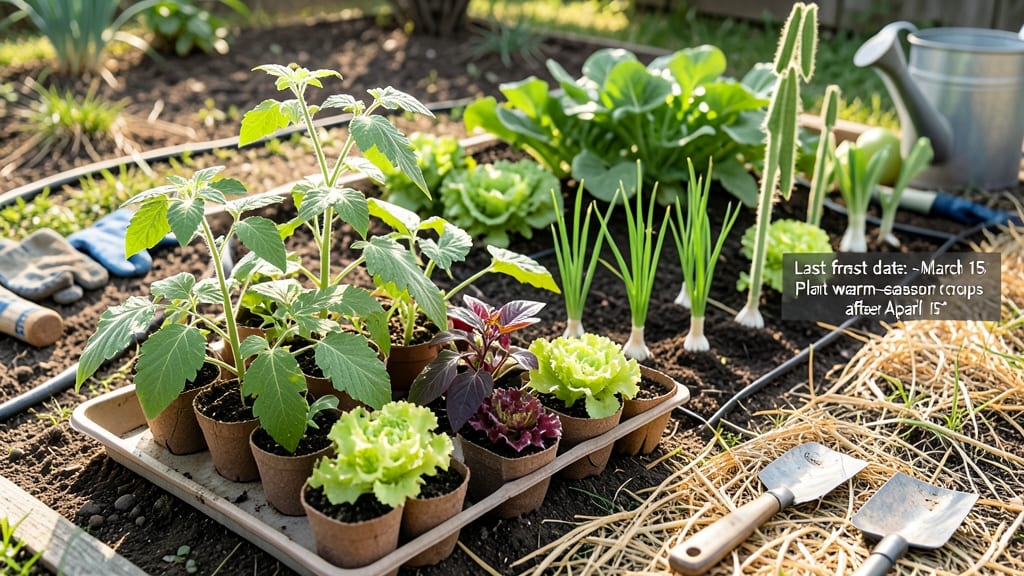
Planting a vegetable garden in Oklahoma depends on your microclimate—whether you're in the humid east or the drier west—because the right timing can mean the difference between a bountiful harvest and a sad, frost-nipped failure.
Oklahoma’s diverse microclimates—from the humid Southeast to the arid West—mean your vegetable planting timeline could vary by up to 6 weeks. Get the exact dates for your zone to maximize yields and avoid frost damage, whether you're growing heat-loving tomatoes or cool-season spinach.
Most Oklahoma gardeners start cool-season crops like lettuce and peas in early March, while warm-season vegetables like peppers and squash wait until after April 15 to avoid late frosts. But if you're in the Panhandle, you might need to push those dates back by weeks.
In this guide, I’ll break down the exact planting windows for your specific USDA zone, share pro tips to extend your growing season, and help you avoid the most common mistakes Oklahoma gardeners make.
Oklahoma planting zones & exact start dates by vegetable type
Oklahoma spans USDA Hardiness Zones 6b through 8a, creating a unique gardening challenge with 6-week planting variations across regions. Whether you're in humid southeastern Oklahoma or drier western plains, knowing your exact first-frost dates and soil-warming timelines is crucial for success.
Most of Oklahoma falls in Zone 7a/7b, but microclimates near mountains or urban areas can shift your planting window by weeks.
For cool-season vegetables like spinach and lettuce, the optimal planting window starts 6-8 weeks before your last frost date. In Zone 7a (northern OK), this means early March, while Zone 8a (southwestern OK) can begin planting as early as late February.
Warm-season crops like peppers and squash, however, should wait until soil temperatures reach 60°F+, typically mid-April to early May depending on your location.
Here’s your Oklahoma planting timeline broken down by zone and crop type, including first-frost averages to help you plan:
| Vegetable Type | USDA Zone | Planting Window | First Frost Date | Key Notes |
|---|---|---|---|---|
| Cool-Season (Spinach, Lettuce, Kale) | 6b-7a | Early March - Mid-April | Nov 15 - Dec 1 | Plant seeds indoors in Feb for earlier harvests. |
| Cool-Season (Spinach, Lettuce, Kale) | 7b-8a | Late Feb - Early April | Nov 1 - Dec 15 | Use row covers for fall/winter protection. |
| Warm-Season (Tomatoes, Peppers, Squash) | 6b-7a | Mid-April - Early May | Nov 15 - Dec 1 | Wait for soil to warm to 60°F+. |
| Warm-Season (Tomatoes, Peppers, Squash) | 7b-8a | Late March - Mid-April | Nov 1 - Dec 15 | Start seeds indoors in March for earlier plants. |
| Year-Round (Carrots, Radishes, Green Onions) | All Zones | Feb - Oct (successive plantings) | Varies by zone | Sow every 2-3 weeks for continuous harvest. |
For cool-season crops, focus on spinach and lettuce, which thrive in 50-65°F soil temperatures. In Zone 7a, plant these 6-8 weeks before your last frost (typically early March).
If you’re in Zone 8a, you can start as early as late February and even enjoy a fall harvest by planting again in mid-August. Use row covers to protect tender seedlings from unexpected late-spring frosts, which can occur as late as April 15 in northern Oklahoma.
Warm-season vegetables like tomatoes, peppers, and squash demand consistent warmth. Wait until soil temperatures reach 60°F+, usually mid-April to early May in most of Oklahoma.
In Zone 7a, this might mean waiting until May 1, while Zone 8a gardeners can plant as early as late March. For peppers, which are especially sensitive to cold, consider starting seeds indoors in February to give them a head start.
Year-round crops like kale, carrots, and radishes offer flexibility.
You can plant these every 2-3 weeks from February through October for continuous harvests. Carrots, for example, grow best in cool soil and can be sown in early spring or late summer to avoid the intense summer heat. Kale, on the other hand, actually
How Oklahoma’s microclimates affect your planting schedule
Your neighbor’s early March tomato planting might succeed in humid Eastern Oklahoma, but the same seeds could fail in your dry Western Oklahoma yard. The reason? Oklahoma’s microclimates create dramatic differences in frost timing, soil warmth, and heat intensity—sometimes just miles apart.
Understanding these variations helps you adjust planting schedules to match your specific conditions.
For example, Oklahoma City’s urban heat island can push last-frost dates 1-2 weeks later than surrounding rural areas. Meanwhile, mountain regions like the Ozarks experience earlier frosts and cooler soils, delaying warm-season crops by 3-4 weeks.
These differences explain why your spinach thrives in April while your peppers struggle—it’s not just luck, it’s climate.
Here’s how Oklahoma’s three major microclimates—Eastern, Central, and Western—impact your planting schedule, including key adjustments for soil temperature, frost risk, and urban heat effects:
In Eastern Oklahoma’s humid climate, soils warm faster due to higher moisture, allowing cool-season crops like broccoli to start as early as February 15. Meanwhile, Western Oklahoma’s dry air creates colder nights, delaying soil warmth until mid-April—meaning tomatoes planted before May 1 risk frost damage.
Even within cities, urban heat islands can shift frost dates by up to 10 days, so check local weather stations for precise data.
For mountain regions like the Ozarks, add 2 extra weeks to frost dates listed in planting guides. The higher elevation creates a shorter growing season, so prioritize fast-maturing varieties of peppers and squash.
In contrast, low-lying areas near rivers (like the Arkansas River valley) often have warmer microclimates, letting you plant cucumbers 2 weeks earlier than standard guides suggest.
Pro tip: Use soil thermometers to confirm when your soil reaches 60°F for warm crops or 50°F for cool crops. In Western Oklahoma, this can mean waiting until May 1 for tomatoes, while Eastern Oklahoma gardeners might start by April 15.
Adjust your schedule by 1-2 weeks based on your local conditions to avoid common mistakes like frost-nipped seedlings or bolting lettuce.
Remember, microclimates aren’t just about frost—they also affect pest pressure, water needs, and heat stress. For example, Western Oklahoma’s intense summer sun demands daily watering for leafy greens, while Eastern Oklahoma’s humidity increases fungal disease risk.
Tailor your approach to your specific microclimate for the best results.