
Tools
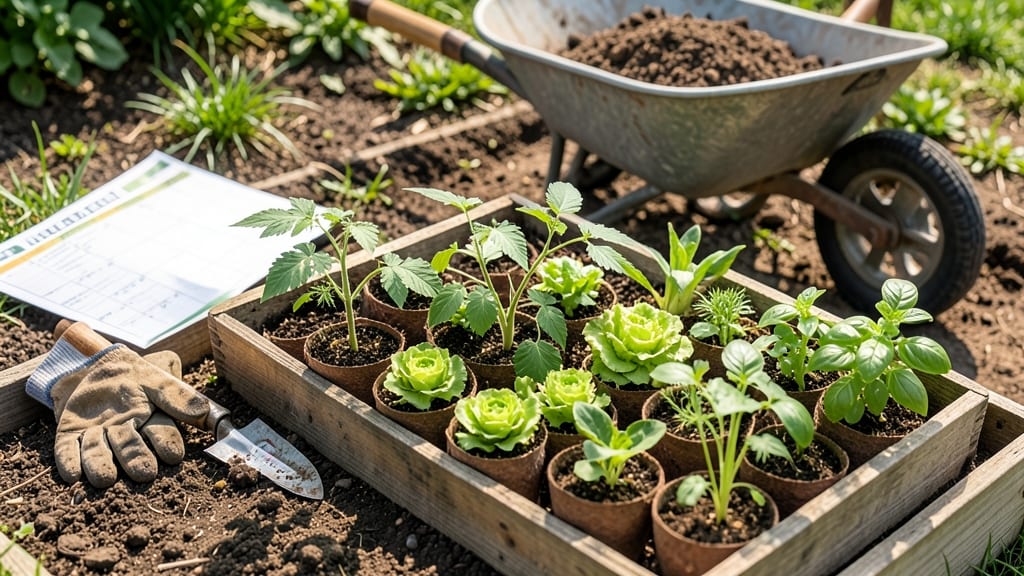
Starting a vegetable garden at the right time means the difference between thriving 🌱 plants and lost seeds—your USDA zone’s last frost date is the best way to time it perfectly.
Timing your vegetable garden planting can mean the difference between a bountiful harvest and wasted seeds—knowing your USDA zone’s last frost date is the key to zero-frost-risk success.
In zone 6a, like many temperate regions, early spring and late summer are your prime windows. But even here, fast-growing crops like radishes or spinach can sneak in before the last frost, while heat-lovers like tomatoes need the soil to warm first.
Below, I’ll break down exactly how to calculate your local frost dates, which vegetables to plant when, and how to stretch your growing season with simple tricks like row covers and mulch.
USDA zone deadlines for zero-frost risk vegetable planting
Timing your vegetable garden planting can mean the difference between a bountiful harvest and wasted seeds—knowing your USDA zone’s last frost date is the key to zero-frost-risk success. Each zone has specific planting windows that determine when to sow seeds or transplant seedlings for maximum growth potential.
Missing these deadlines can leave your plants vulnerable to frost damage or stunted growth.
For most USDA zones 3-10, the last frost date marks the transition from risky to safe planting conditions. However, some heat-tolerant vegetables like okra, sweet potatoes, and black-eyed peas can be planted even after the last frost.
Understanding these deadlines helps you plan for early-spring crops like peas and lettuce or late-summer varieties such as beans and cucumbers.
| USDA Zone | Last Frost Date (Avg.) | Spring Planting Window | Late-Summer Planting Window | Heat-Tolerant Crops |
|---|---|---|---|---|
| Zone 3 | May 15 | 4-6 weeks before May 15 | Late July (after July 20) | Okra, Sweet Potatoes |
| Zone 4 | May 1 | 4-6 weeks before May 1 | Late July (after July 15) | Black-Eyed Peas, Southern Peas |
| Zone 5 | April 15 | 4-6 weeks before April 15 | Early August (after July 30) | Cucumbers, Beans |
| Zone 6 | April 1 | 4-6 weeks before April 1 | Late July (after July 25) | Tomatoes, Peppers |
| Zone 7 | March 15 | 4-6 weeks before March 15 | Early August (after August 1) | Sweet Corn, Eggplant |
| Zone 8 | February 15 | 4-6 weeks before February 15 | Late August (after August 10) | Okra, Peppers |
| Zone 9 | January 15 | 4-6 weeks before January 15 | September (after August 20) | Tomatoes, Basil |
| Zone 10 | December 15 | Year-round (with protection) | October (after September 15) | All tropical varieties |
If you’re in USDA zones 3-5, focus on planting cool-season vegetables like spinach, peas, and broccoli 4-6 weeks before your last frost date. These crops thrive in cooler temperatures and can even tolerate light frosts.
For zones 6-10, you have more flexibility, especially in the late summer, where you can plant heat-loving crops like okra and sweet potatoes.
Regional exceptions matter—mountainous areas in zone 5 might have later frost dates than valley regions. Always check local frost-free date calculators like the National Oceanic and Atmosph
Best vegetables to plant by season (and how to extend growing periods)
Your vegetable garden thrives when you match crops to seasons—but even the best timing can be extended with simple tricks. Cool-season crops like spinach and peas love spring’s crisp air, while warm-season stars like tomatoes and peppers need summer’s heat.
The secret? Mulching and row covers can push deadlines by weeks.
In USDA Zone 6a, I start frost-sensitive plants like tomatoes 4-6 weeks after the last frost, but with black plastic mulch, I’ve extended that window by 2-3 weeks. For hardy greens, I plant spinach in early spring and again in late summer for a fall harvest.
🌱 Seasonal Planting Highlights
- Early Spring (March-April): Peas, spinach, kale—plant 4-6 weeks before last frost. Use row covers to protect from late frosts.
- Late Spring (May): Tomatoes, peppers, cucumbers—wait until soil hits 60°F or use black plastic mulch to warm it faster.
- Summer (June-August): Bush beans, squash, lettuce (for fall harvest)—succession plant every 2 weeks for continuous yields.
- Fall (September-October): Broccoli, carrots, radishes—plant 8-10 weeks before first frost for winter harvests.
- Winter (Zone 6a): Kale, collards, garlic—use straw mulch (6+ inches) to insulate roots and extend harvests.
For tomatoes and peppers, I swear by black plastic mulch—it warms the soil 10°F faster than bare earth, letting me plant 2 weeks earlier. Pair it with a floating row cover for an extra 4°F protection against late frosts.
Don’t overlook succession planting. In my garden, I sow lettuce every 2 weeks from April to August, ensuring a steady supply. For bush beans, I plant two rows: one in early June and another in mid-July to stagger harvests.
Even in Zone 6a, you can grow spinach in fall by planting 8 weeks before first frost and covering with lightweight row fabric. This trick adds 30-45 days to your harvest window—perfect for winter salads!
Pro tip: Mulch with straw (not hay) to suppress weeds and retain moisture. I apply 3-4 inches around broccoli and carrots in fall, letting me harvest 2-3 weeks later than unmulched plants.