
Tools
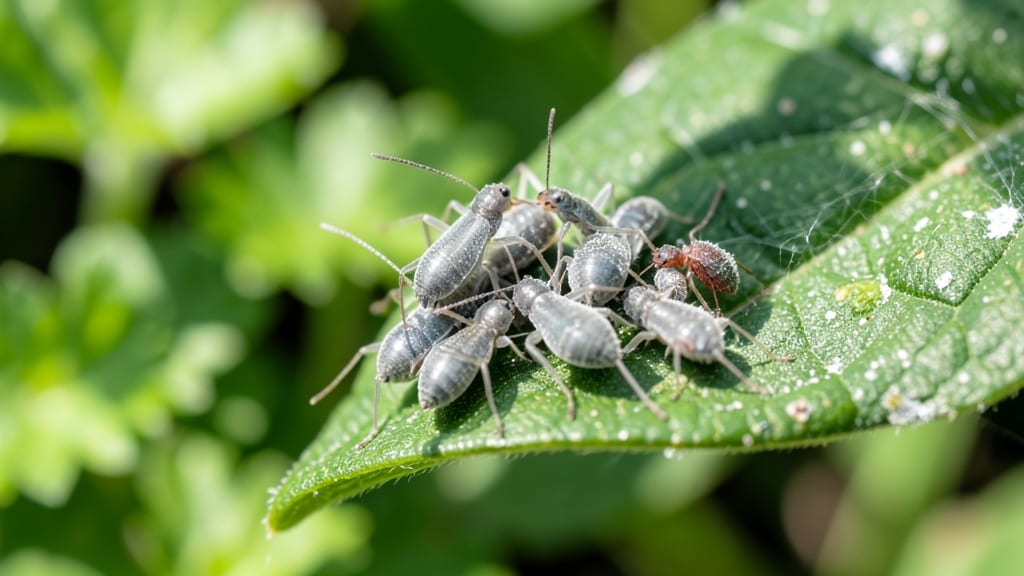
Gray bugs in your garden might seem harmless at first glance, but they can quickly turn into a plant-ruining problem if left unchecked.
Picture this: you’re tending to your 🌱 after a rainstorm, only to spot tiny gray invaders on your leaves or soil. Some are just passing through, while others are feasting on your hard work. The key to saving your garden? Spotting them early and knowing which ones to act on.
In this guide, I’ll break down the 5 most common gray garden pests, how to tell if they’re helpful or harmful, and the fastest ways to get rid of them—without harsh chemicals.
You’ll learn to identify them in seconds, use simple remedies like soapy water, and even attract natural predators to keep your garden thriving.
5 Most common gray bugs in gardens and what they eat
Spotting gray bugs in your garden can feel like a puzzle—some are harmless, while others can devastate your plants overnight. These tiny invaders often hide on the undersides of leaves or lurk in soil, making them easy to overlook until your roses or tomatoes start looking ragged.
The key to protection is knowing which gray garden pests you're dealing with and what they're feasting on.
From sap-sucking aphids to soil-dwelling fungus gnats, these five gray bugs are the most common culprits in home gardens. Each has distinct feeding habits and plant preferences, which helps you target treatments effectively.
Let's break down their appearances, favorite meals, and the damage they leave behind so you can act fast before your garden becomes a buffet.
| Bug Name | Appearance | Favorite Plants | Damage Signs | Feeding Habits |
|---|---|---|---|---|
| Gray Aphids | Soft-bodied, 1/8-inch gray-green nymphs; adults may have wings | Roses, peppers, beans, new growth | Sticky honeydew, curled leaves, black sooty mold | Suck plant sap from stems/leaves |
| Spider Mites | Tiny gray-red specks (1/50-inch); webbing on leaves | Tomatoes, peppers, zucchini, houseplants | Yellow stippling, silvery webbing, leaf drop | Pierce cells to extract chlorophyll |
| Fungus Gnats | 1/8-inch gray flies; larvae are worm-like | Seedlings, potted plants, moist soil | Wilting seedlings, mushy roots, adult flies near pots | Larvae eat root tips and fungal hyphae |
| Mealybugs | Cottony gray-white clusters; oval-shaped bodies | Citrus, roses, succulents, leaf axils | Sticky residue, yellowing leaves, stunted growth | Suck sap from stems/leaves |
| Whiteflies | 1/16-inch gray-white flies; resemble tiny moths | Tomatoes, peppers, poinsettias, undersides of leaves | Yellow leaves, sticky honeydew, black mold | Cluster to suck sap from undersides |
Gray aphids are the most obvious culprits when you spot sticky residue on your pepper plants or see leaves curling like tiny green scrolls. These pests thrive in colonies, often clustering on new growth where they can access the sweetest sap.
Their honeydew secretions create a perfect environment for sooty mold, turning your once-vibrant foliage into a blackened mess.
Spider mites, though tiny, pack a punch by targeting the chlorophyll in your zucchini leaves. Look for fine webbing between leaves or tiny gray specks that vanish when you blow on them.
These pests love dry conditions, so they often explode in populations during hot summer months when your plants are already stressed from thirst.
The next time you see tiny gray flies buzzing around your potted plants, fungus gnats might be the culprits. Their larvae chew on delicate root tips, causing seedlings to wilt even when the soil feels moist.
Unlike adult flies that fly away, these larvae hide just below the soil surface, making them harder to spot until your plants start struggling.
Mealybugs often hide in the leaf axils of your roses or citrus trees, appearing as fluffy gray-white clusters. Their feeding weakens plants by removing vital nutrients, and their sticky waste attracts ants. Unlike other gray bugs, mealybugs often leave behind a yellowing trail as they move from leaf to leaf.
Whiteflies are the sneakiest of the bunch, clustering on the undersides of leaves where they're nearly invisible until they take flight in a cloud when disturbed. These pests love tomato plants and other warm-season crops, leaving behind a telltale honeydew that can drip onto your patio or garden tools below.
To catch these gray pests early, I recommend checking the undersides of leaves weekly and examining new growth for unusual markings. A
How to tell harmful gray bugs from beneficial ones in your garden
Not all gray bugs are created equal—some are plant predators, while others act as your garden’s natural pest control. The difference often comes down to their size, shape, and behavior.
For example, gray aphids cluster on stems and leave sticky residue, while gray ladybug larvae hunt aphids and have spiky bodies.
Before reaching for pesticides, inspect the bug’s mouthparts and damage patterns. Harmful gray bugs like mealybugs suck sap, causing yellowing leaves, whereas lacewing larvae devour pests like thrips. A quick magnifying glass check can reveal whether the bug is a threat or ally.
Here’s the key distinction: Harmful gray bugs multiply rapidly, leaving visible damage, while beneficial ones move deliberately and rarely linger on healthy plants. Observe their activity patterns—if they’re stripping leaves or secreting webbing, they’re likely harmful.
Harmful vs. Beneficial Gray Bugs
Harmful Gray Bugs
- Gray Aphids – Cluster on leaves, secrete honeydew
- Mealybugs – Cottony white coating, stunted growth
- Spider Mites – Tiny webbing, yellow speckled leaves
Beneficial Gray Bugs
- Ladybug Larvae – Spiky, hunt aphids aggressively
- Lacewings – Delicate wings, eat soft-bodied pests
- Ground Beetles – Shiny, nocturnal predators
If you spot gray aphids or mealybugs, act fast—they reproduce exponentially and weaken plants. But if you see lacewings or ladybugs, celebrate! These allies can eliminate 90% of pests in weeks.
A quick way to confirm? Shake a leaf over a white surface—harmful bugs scatter, while beneficial ones stay put.
For gray slugs or snails, check for slime trails on leaves or mulch. These pests leave irregular holes in foliage, unlike beneficial insects that avoid damaging plants. Always inspect the underside of leaves, where pests hide to avoid detection.
Pro tip: Use a black light flashlight at night to spot slugs or beneficial beetles. Harmful bugs glow faintly under UV light, while allies like ground beetles reflect differently. This trick saves time and prevents over-treatment of your garden.
Remember, balance is key. Even harmful gray bugs have predators—like parasitic wasps that target aphids. Instead of eradicating all gray bugs, focus on removing only the destructive ones while preserving the beneficial ones. Your garden’s ecosystem will thank you! 🌿