
Container Gardens
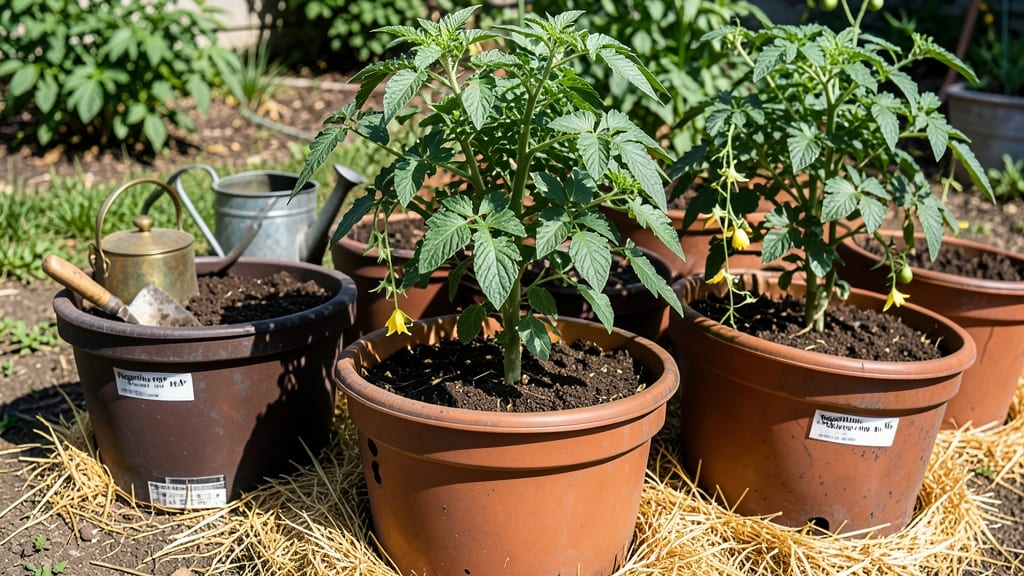
Growing a vegetable garden in pots works best with dwarf varieties like lettuce, radishes, or cherry tomatoes, since they mature quickly and don't need deep soil. Use lightweight potting mix with 5-10% compost for drainage, and choose containers with drainage holes that are at least 12 inches deep. Place them in full sun (6+ hours daily) and water regularly to keep soil moist but not waterlogged.
Container gardening opens up gardening to anyone with limited space—even balconies or patios can produce fresh veggies! 🌱 The key is choosing plants that match your container size and sunlight. For example, leafy greens like spinach thrive in 6-inch pots, while bush beans need 10-inch containers.
I've found that adding a slow-release fertilizer at planting time gives these plants the nutrients they need without overwatering. Vertical gardening with trellises can also double your yield by growing vining plants like cucumbers or peas upward instead of outward.
Another pro tip is to group plants with similar water needs together. This makes irrigation easier and helps prevent over- or underwatering. For instance, herbs like basil and parsley do well in the same 8-inch pot, while tomatoes need their own larger container.
Always check the bottom of pots for drainage holes—without them, roots suffocate and plants wilt despite regular watering.
💡 In This Article
- Best Vegetable Varieties for Container Gardening
- Container Gardening Space-Saving Techniques
Best vegetable varieties for container gardening
Container gardening thrives with plants that have shallow root systems and fast growth cycles. Leafy greens like lettuce and spinach are ideal because their roots rarely exceed 6 inches deep, making them perfect for 6-8 inch pots. The reason?
These plants focus energy on rapid leaf production rather than deep root penetration, which means they mature quickly—often in 30-50 days—before bolting in heat.
Radishes, with their 2-3 inch roots, are another top performer, ready to harvest in just 25 days when given consistent moisture and 4-6 hours of sunlight daily.
Fruiting plants like cherry tomatoes and bush beans need slightly larger containers due to their deeper roots (12-18 inches) and heavier fruit production. Cherry tomatoes, for example, produce 10-20 fruits per plant when grown in 5-gallon containers with proper support.
The key here is choosing determinate varieties, which grow in compact bushes rather than sprawling vines. Peppers and eggplants also adapt well, though they require 10-12 inches of soil depth and 6+ hours of full sun to develop their signature flavors.
Herbs like basil, cilantro, and parsley are container gardening superstars because they thrive in 6-8 inch pots with minimal care. Basil, for instance, grows to 12-18 inches tall but has a shallow root system, making it perfect for balcony gardens.
The secret to their success lies in their adaptability—herbs tolerate frequent harvesting and don’t require deep soil. Just ensure they get 4-6 hours of sunlight and consistent watering to prevent wilting.
Root vegetables like carrots and beets can be tricky in containers, but short varieties (like Paris Market carrots, which grow to 4 inches) work beautifully in 12-inch deep pots.
The challenge isn’t the plant itself but the soil—it must be loose and well-draining to prevent forking (when roots split). Mixing 50% potting soil with 50% perlite or sand creates the ideal texture for these crops. Without this adjustment, roots struggle to penetrate compacted soil, leading to stunted growth.
Sunlight is the non-negotiable factor for container gardening success. Leafy greens and herbs can tolerate 4-6 hours of sunlight, but fruiting plants like tomatoes and peppers demand 6-8 hours daily. The difference? Photosynthesis efficiency—fruiting plants require more energy to produce flowers and fruit, which is why they need full sun.
Place containers on a south-facing balcony or use reflective surfaces (like white walls) to maximize light exposure, especially in shaded areas.
One common mistake is overcrowding pots, which leads to competition for nutrients and water. Follow the 1 plant per 1 gallon of soil rule as a baseline—this ensures roots have enough space to spread without suffocating.
For example, a 5-gallon pot can comfortably grow 1 tomato plant or 4-6 basil plants, but not both simultaneously. Overcrowding stresses plants, making them vulnerable to pests and diseases.