
Vegetables
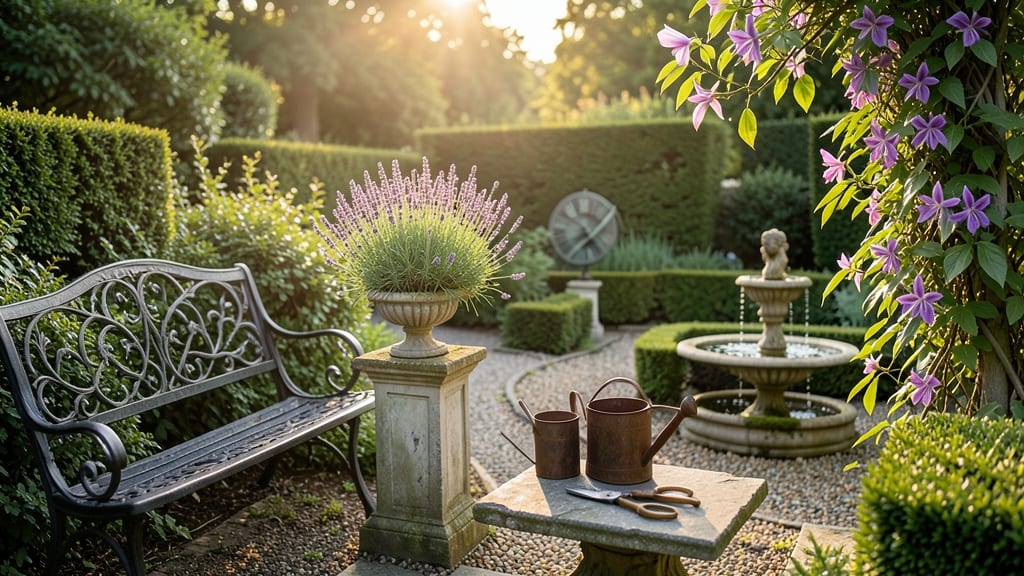
To discover historical gardens near you is to uncover hidden botanical treasures—think centuries-old plant collections, crumbling stone pathways, and living museums of horticultural history—many of which lie just 30 minutes from urban centers. Begin your search with local botanical societies or heritage tourism directories for trusted recommendations.
These gardens aren't just pretty landscapes—they're living archives of plant history, often home to rare species that vanished from commercial agriculture decades ago. 🌿 Many were designed by 19th-century botanists who carefully curated collections that now serve as genetic libraries for modern agriculture.
I always recommend visiting during their "behind-the-scenes" days when docents share stories about the garden's original purpose—whether it was a Victorian-era experiment in exotic plants or a monastery's medicinal herb garden.
Finding them takes a little detective work beyond Google Maps. Most historical gardens maintain websites with seasonal tour schedules that differ from their public opening hours, and some even offer free admission on specific weekdays to encourage exploration.
Pro tip: Call ahead about accessibility—many have uneven paths from their original construction, but most provide wheelchairs upon request for the main collection areas.
💡 In This Article
- Why Historical Gardens Preserve Unique Plant Species
- How to Locate and Visit Nearby Historical Gardens
Why historical gardens preserve unique plant species
Historical gardens act as living museums of botanical history, often maintaining plant varieties that disappeared from commercial agriculture decades ago.
These gardens carefully preserve heirloom seeds and rare species through meticulous documentation—some collections trace back to the 18th-century expeditions of plant hunters like Joseph Banks, who documented thousands of specimens during Captain Cook's voyages.
The Royal Botanic Gardens, Kew in London, for example, holds over 30,000 plant species, including some that were thought extinct until rediscovered in these curated spaces.
The preservation process relies on a combination of climate-controlled glasshouses and open-air plots that mimic the plants' native environments. Take the Lewis Ginter Botanical Garden in Virginia—its 12-acre woodland garden recreates the Appalachian forest ecosystem where many native orchids and ferns thrive.
These gardens also serve as genetic libraries for modern agriculture, providing seeds resistant to climate change or pests that could save entire crops. 🌱 The Seed Savers Exchange in Iowa, for instance, has preserved over 25,000 heirloom varieties that would otherwise be lost to industrial farming.
What makes these gardens unique is their dual role as both scientific archives and public education spaces. Many offer propagation workshops where visitors can learn how to grow rare plants from cuttings or seeds—skills that were nearly lost in the 20th century.
The Longwood Gardens in Pennsylvania, for example, runs a plant rescue program that revives endangered species through tissue culture, a technique that grows plants from tiny cell samples in sterile labs. This fusion of science and accessibility ensures these botanical treasures remain relevant beyond academia.
Seasonal changes dramatically affect which plants thrive in these gardens. In spring, you'll find rare bulbs like Trillium grandiflorum (a protected species in many states) blooming in shaded woodland areas, while summer brings exotic camellias that require precise humidity control.
The Missouri Botanical Garden in St. Louis even has a climate-controlled greenhouse dedicated to carnivorous plants that need high moisture levels year-round. These variations create a dynamic experience for visitors, where each season reveals new layers of the garden's botanical story.
Beyond plants, these gardens preserve historical horticultural techniques that shaped modern gardening. The Monticello gardens at Thomas Jefferson's estate demonstrate 18th-century farming methods, including crop rotation and companion planting—practices now championed by organic farmers.
Jefferson himself documented 300+ plant varieties in his garden journals, many of which are still grown today. This blend of historical accuracy and practical application makes visiting these gardens an educational experience that connects past and present gardening traditions.
One often-overlooked aspect is how these gardens serve as urban wildlife corridors. The Chicago Botanic Garden, for example, maintains 100 acres of native prairie that support over 200 bird species and 30 species of butterflies, including the endangered Karner blue butterfly.
By preserving these ecosystems, historical gardens play a crucial role in biodiversity conservation—something increasingly vital as urban sprawl reduces natural habitats. 🌿 The next time you visit, look for signs of local wildlife like hummingbirds pollinating rare flowers or bees collecting nectar from heritage roses.