
Container Gardens
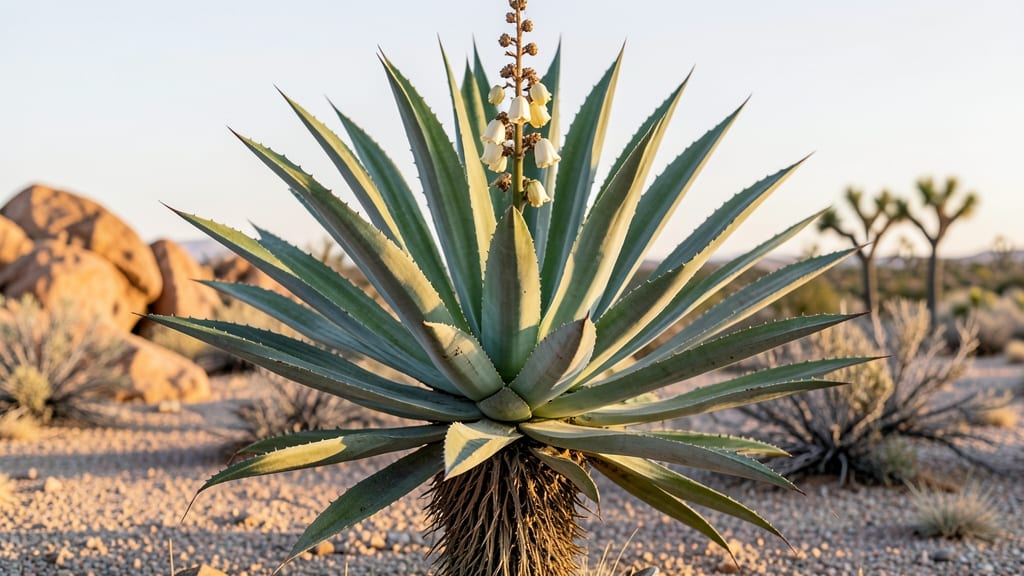
The New Mexico Botanical Garden features over 5,000 plant species, from rare desert flora to vibrant seasonal blooms, with themed collections like cacti, succulents, and native wildflowers. Its high-altitude setting and diverse ecosystems make it a year-round botanical treasure.
The New Mexico Botanical Garden isn't just a garden—it's a living classroom showcasing the region's ecological diversity. 🌵 From towering yuccas to delicate wildflowers adapted to arid climates, each plant tells a story about survival in New Mexico's unique conditions.
The garden's elevation plays a key role, allowing visitors to see how plants thrive at different altitudes, from desert lowlands to mountain forests.
What sets this garden apart is its focus on conservation and education. Many of the plants you'll see are native species facing habitat loss, and the garden actively participates in propagation programs.
Whether you're a plant enthusiast or just love strolling through lush landscapes, there's always something new to discover—especially in their seasonal displays that change with the seasons.
💡 In This Article
- Exploring New Mexico Botanical Garden’s Native Plant Ecosystems
- Seasonal Highlights and Hidden Trails at the Botanical Garden
Exploring New Mexico botanical garden’s native plant ecosystems
The New Mexico Botanical Garden is a living laboratory of regional biodiversity, where three distinct ecosystems converge: the Chihuahuan Desert, Rocky Mountain foothills, and Southwestern woodlands. Each zone showcases plants uniquely adapted to its microclimate.
For example, the Chihuahuan Desert section features soaptree yucca (Yucca elata), whose waxy leaves store water and reflect sunlight to survive temperatures reaching 110°F in summer.
Meanwhile, the higher-altitude Rocky Mountain area displays blue grama grass (Bouteloua gracilis), which thrives at 6,000-7,000 feet elevation with its deep root systems accessing moisture from seasonal snowmelt.
Altitude creates dramatic differences in plant growth. At 5,400 feet where the garden sits, you'll see agave parryi with its striking blue-green rosettes—adapted to thrive in 20-30 inches of annual rainfall—while nearby, penstemon species bloom in spring, their tubular flowers attracting hummingbirds adapted to the same high-desert conditions.
The garden's riparian zone demonstrates how water availability shapes ecosystems, with cottonwoods (Populus deltoides) growing along seasonal streams, their roots reaching 10 feet deep to access groundwater.
What makes these ecosystems so fascinating is their delicate balance. Many plants here have evolved symbiotic relationships—like the New Mexico whiptail lizard pollinating agave flowers or mycorrhizal fungi aiding yucca root systems. The garden's conservation efforts highlight how these relationships are threatened by climate shifts.
For instance, blue grama grass is losing ground to invasive cheatgrass (Bromus tectorum), which alters soil chemistry and increases fire risk. 🌿 Visitors can observe these interactions firsthand through labeled trails that explain each plant's ecological role.
Don't miss the orchid collection, where 15+ native species thrive in controlled humidity zones. The garden's 12% annual humidity in summer creates challenges for these moisture-loving plants, yet species like the ladies' tresses orchid (Spiranthes cernua) have adapted with specialized root structures.
These delicate blooms demonstrate nature's ingenuity in extreme conditions—something you won't find in most botanical gardens. The elevation gradient also creates stunning seasonal color shifts, with spring wildflowers giving way to fall foliage in higher zones.
For plant enthusiasts, the garden's propagation lab offers behind-the-scenes looks at conservation techniques. You'll see how seed banks preserve endangered species like the ocotillo (Fouquieria splendens), whose spiny stems store water for up to 2 years during droughts.
The lab's controlled-environment chambers maintain precise temperature and humidity levels—typically 65-75°F and 40-50% humidity—to nurture rare species until they can be reintroduced to the wild.
The garden's layout mirrors these natural gradients, with trails ascending from desert floor to woodland edges. This design lets visitors experience how just 1,000 feet of elevation gain can transform plant communities. For example, creosote bushes dominate lower areas, while piñon pines appear at higher elevations.
The transition zones between these areas often host the most biodiversity, with 20+ plant species coexisting in just 50 square feet. 🌵 This ecological layering creates one of the most educational botanical experiences in the Southwest.