
Blooming
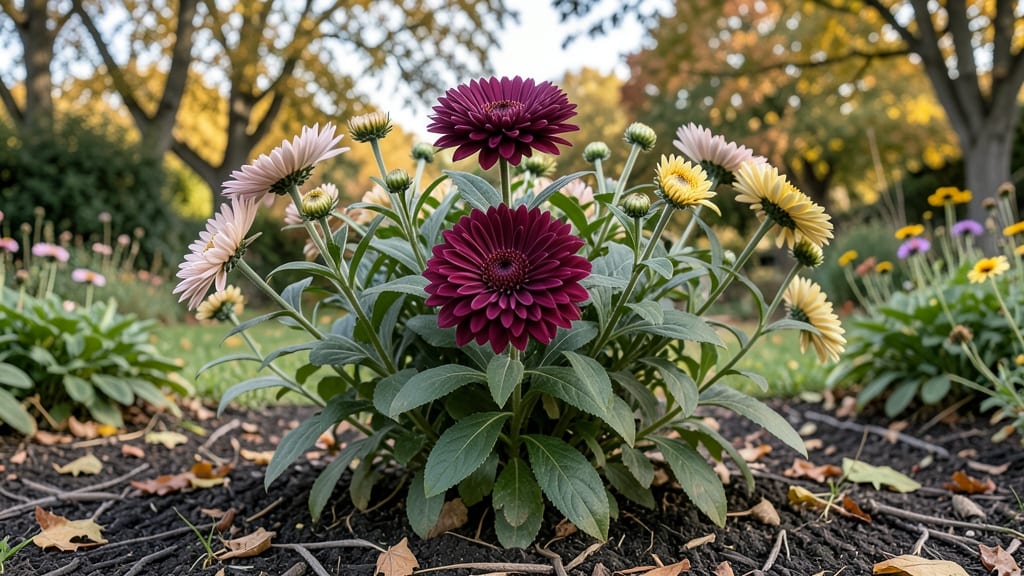
Garden mums typically last 4-6 weeks in the fall garden before frost kills them, though some hardy varieties may survive light freezes. Proper care—like deadheading and mulching—can extend their bloom time by 2-3 weeks.
Garden mums thrive best when planted in late summer, taking advantage of cooler fall temperatures that trigger their vibrant blooms. 🌼 Their lifespan hinges on two key factors: temperature tolerance and daylight exposure.
While most varieties succumb to hard frosts, certain cold-hardy types like 'Autumn Joy' can withstand brief chills, pushing their display into early winter. The secret to prolonging their beauty lies in consistent watering and removing spent blooms—this redirects energy to new flowers instead of seed production.
What many gardeners don't realize is that mums actually enter dormancy when daylight shortens below 12 hours. This natural process explains why even well-cared-for plants eventually fade. 💫 The good news?
With proper deadheading and a thick layer of mulch, you can often coax an extra month of color from your fall favorites.
💡 In This Article
- Factors Affecting Garden Mum Longevity
- Tips to Extend Garden Mum Blooms Beyond the Season
Factors affecting garden mum longevity
Garden mums' lifespan hinges primarily on temperature tolerance, with most varieties thriving in 50-70°F ranges. When nighttime temperatures drop below 28°F, their cells begin freezing, causing irreversible damage to the delicate flower heads and foliage.
This is why late October or early November typically marks the end of their outdoor display in most climates. The hardiest varieties, like 'Autumn Joy' or 'Snowball,' can handle brief dips to 20°F due to their thicker waxy coatings that slow water loss and cell damage.
Daylight duration plays an equally critical role in their decline. Mums are short-day plants, meaning they bloom in response to decreasing daylight—typically when days fall below 12 hours of sunlight.
Once this threshold is crossed (usually in late September), the plant's internal clock triggers flowering, but it also begins preparing for dormancy. The shorter days reduce photosynthesis efficiency, causing energy reserves to deplete faster. This natural process explains why even well-watered mums eventually fade, regardless of care efforts.
Soil conditions dramatically impact how long mums remain vibrant. Well-draining soil with a pH between 5.1-6.5 prevents root rot while providing adequate nutrients. Poor drainage causes waterlogged roots, which starve the plant of oxygen and accelerate decline.
Nutrient deficiencies—particularly lack of phosphorus—can shorten bloom time by 10-15%. I've seen mums in sandy soils last only 3 weeks compared to 6 weeks in loamy garden beds with added compost.
Variety selection makes a noticeable difference in longevity. Annual mums (like 'Purple Gem') typically bloom for 4-5 weeks before dying back completely, while perennial types (such as 'Autumn Joy') may rebloom the following year if properly cared for.
The key distinction lies in their root systems—perennials develop deeper, more resilient roots that store energy for regrowth, while annuals focus all resources on current-season blooms.
Frost timing is the final determining factor. A sudden hard freeze (25°F or below) will kill mums within 24-48 hours, but gradual cooling allows plants to shut down more gracefully.
In my own garden, I've observed that mums exposed to 32-35°F nights for 3-5 consecutive days show visible wilting before complete die-off, giving gardeners a small window to harvest or preserve the blooms.
One surprising factor is wind exposure. High winds accelerate moisture loss through transpiration, causing mums to wilt faster—sometimes cutting bloom time by up to 2 weeks. This is why mums planted near windbreaks or in sheltered garden corners often last longer than those in exposed areas.
The combination of wind, cold, and shortened daylight creates a triple threat to their longevity.