
Light Requirements
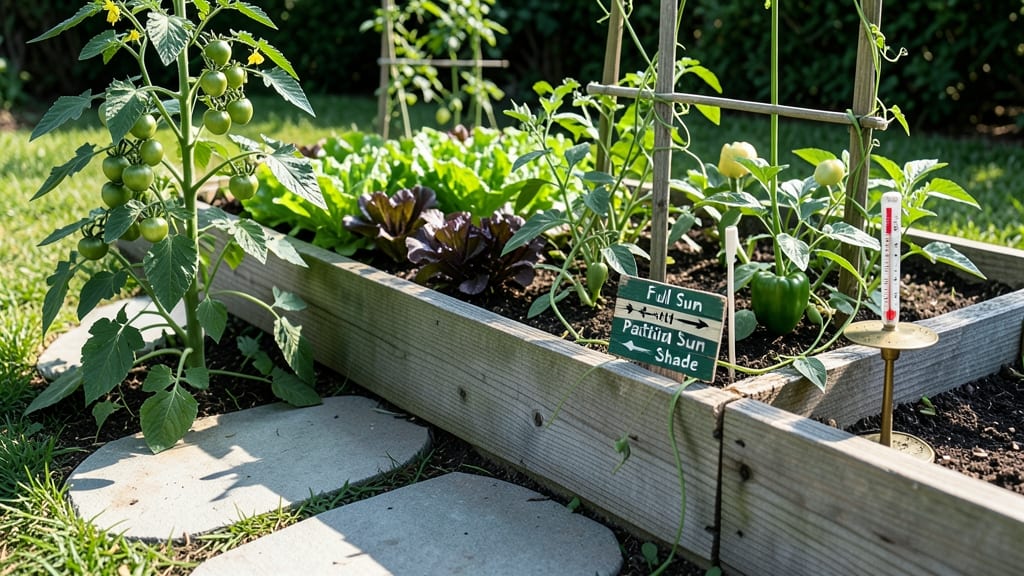
A veggie garden needs how much sun does a veggie garden need at least 6 hours of sunlight daily—but not all plants demand the same amount, and getting it wrong can mean the difference between a lush harvest and a sad, wilted mess.
Picture this: your tomatoes are sprawling but fruitless, your lettuce bolts to seed in the heat, and your peppers look more like sad green sticks than the spicy treasures you planted. That’s the reality when sunlight needs aren’t met, and it happens to every gardener at some point.
Here’s the game-changer: some crops—like tomatoes, peppers, and cucumbers—thrive in full sun (6+ hours), while others, like leafy greens and root vegetables, can handle partial shade (4-6 hours).
I’ll break down exactly how much light each plant craves, how to measure sunlight in your space, and how to tweak your garden layout for maximum yield—no guesswork required.
By the end, you’ll know where to plant every crop for peak performance, how to fix sunlight mistakes before they ruin your harvest, and even how to turn low-sun spots into productive growing areas. Let’s get started.

Sunlight requirements for vegetables: full sun vs partial shade breakdown
Understanding how much sun your vegetables need is the key to a thriving garden. Most seed packets label crops as full sun or partial shade, but these terms can be misleading.
For example, tomatoes and peppers actually require 6+ hours of direct sunlight to produce well, while lettuce and spinach thrive with just 2-4 hours. Let’s break down the exact sunlight needs for your favorite veggies and how to optimize their placement.
Many gardeners mistakenly assume that partial shade means "anything less than full sun," but this isn’t true. Partial shade typically means 2-4 hours of direct sunlight, while full sun usually means 6+ hours.
Crops like basil and cucumbers fall in the 4-6 hour range, often labeled as partial sun, which is a common source of confusion. Below, we’ll clarify these distinctions with real-world examples.
Why sunlight matters: Vegetables convert sunlight into energy through photosynthesis. Full-sun crops like tomatoes and eggplants need intense light to develop flavorful fruits, while shade-tolerant greens like arugula and kale grow better with less direct exposure. Even a 2-hour difference in sunlight can reduce yields by 30-50% for high-demand crops.
Pro tip: If your garden has patchy sunlight, prioritize full-sun crops in the brightest spots and use shade cloth or tall plants to create natural shade for lighter-needing varieties. For instance, plant corn or sunflowers on the north side of your garden to block harsh afternoon sun from leafy greens planted nearby.
Common misconceptions:
- All herbs need full sun – While basil and oregano thrive in full sun, cilantro and parsley prefer partial shade to avoid bolting.
- Partial shade = low maintenance – Crops like radishes and bok choy grow quickly but still need consistent moisture in lower-light conditions.
- Morning sun is the same as afternoon sun – Morning sunlight is gentler and better for leafy greens, while afternoon sun can scorch delicate crops like lettuce.
Below is a quick-reference table to help you map your garden. Use it to group crops by their sunlight needs and maximize your space efficiently.
Let’s dive deeper into how to use this table in your garden. For example, if you have a south-facing garden bed with 8 hours of sun, prioritize tomatoes, peppers, and cucumbers in the center.
Then, plant bush beans or squash on the edges where sunlight might dip to 4-5 hours. Save the shadiest corner for lettuce, spinach, or arugula, which will thrive with just 3 hours of morning sun.
Another strategy is to use succession planting. For instance, plant fast-growing radishes in early spring when sunlight is gentler, then replace them with tomato plants as the sun intensifies in summer.
This way, you avoid wasted space and ensure each crop gets the right amount of light at the right time.
If your garden lacks full-sun spots, consider container gardening for high-demand crops. Place tomato or pepper pots on a sunny patio or balcony where they
How to measure sunlight in your garden and adjust plant placement
Measuring sunlight in your garden isn't just about guessing—it's about precision. I’ve learned the hard way that even a 1-foot difference in location can mean the difference between a thriving tomato plant and one that barely sets fruit.
Start by observing your garden from sunrise to sunset for a few days, noting where shadows fall and how they shift throughout the day.
Morning sun (before 10 AM) is cooler and less intense, while afternoon sun (after 2 PM) can scorch delicate leaves. East-facing beds get gentle morning light, perfect for heat-sensitive crops like spinach, while west-facing beds bake in afternoon heat—ideal for peppers that thrive in warmth.
Microclimates matter too: a fence or tree can block sunlight for hours, creating pockets of partial shade.
For a DIY sunlight audit, place a white board or piece of cardboard in your garden at planting time. Mark the shadow edges every hour with a pencil. After a day, you’ll see exactly how much sun each spot gets.
Repeat this in spring, summer, and fall—sun angles change dramatically with the seasons, and what’s full sun in June might be partial shade in September.
⚠️ callout-warning ⚠️
⚠️ Don’t Assume "Partial Shade" Means "Any Shade"
4-6 hours of sun is the sweet spot for many veggies, but 2-4 hours (true partial shade) limits growth. Leafy greens like kale tolerate this, but tomatoes or cucumbers will struggle. Always check seed packets—mislabeling is common!
Once you’ve mapped your sunlight, adjust plant placement strategically. Use succession planting to move sun-loving crops like beans into shadier spots as summer heat peaks. Interplanting tall plants (e.g., corn) with low-growing ones (e.g., radishes) ensures both get their light needs met.
For areas with less than 4 hours of sun, try shade cloth (30-50%) to filter light for heat-sensitive crops.
Pro tip: Container gardening is your best friend for tricky spots. Move pots of basil or lettuce to sunnier areas when needed, or place them under dappled shade from fruit trees. Just ensure containers have drainage holes—root rot from poor drainage is a silent killer in low-light areas.
Finally, rotate crops annually to balance sunlight exposure. If tomatoes always go in the south bed, their soil may become depleted. Swap them with shade-tolerant crops like carrots or beets to refresh the soil while optimizing light use.
With these tweaks, you’ll turn every inch of your garden into prime real estate for the right plants.