
Watering
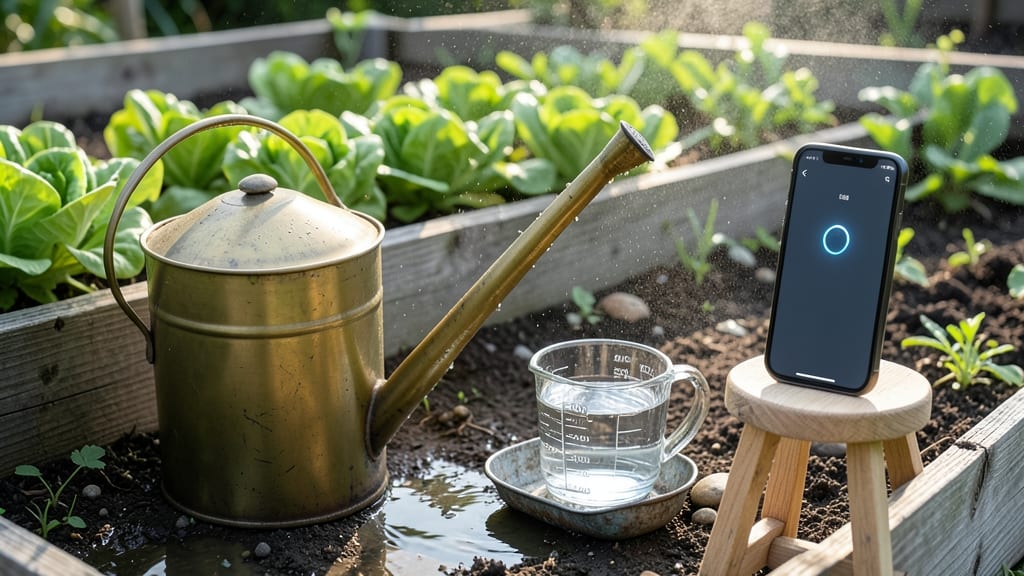
Watering your vegetable garden the right amount is the difference between thriving 🥬 plants and wasted effort—because too little or too much can ruin even the best-laid plans.
Overwatering or underwatering your vegetable garden can mean the difference between a bountiful harvest and wasted effort—yet most gardeners struggle to find the perfect balance. The key lies in understanding deep-soil watering rules tailored to each plant type, not just guessing by the calendar.
Think about it: a shallow-rooted lettuce doesn’t need the same deep soak as a carrot, and a heatwave demands more water than a cool spring day. Without the right approach, you might end up with droopy leaves, stunted growth, or even fungal diseases.
Here’s how to water your vegetable garden like a pro—using soil type, plant needs, and weather as your guide, so every drop counts toward a bigger, healthier harvest.


Deep-watering guidelines for vegetable gardens by plant type
Watering your vegetable garden isn’t a one-size-fits-all task. Different plants have unique root depths that determine how much water they need to thrive. For example, leafy greens like lettuce and spinach have shallow roots, while carrots and onions grow deep roots that require more water to reach maturity.
Understanding these differences ensures your plants get the perfect hydration without waste or stress.
Deep watering isn’t just about pouring water at the surface—it’s about saturating the soil to the root zone of each plant. This method encourages stronger root systems, better nutrient uptake, and drought resilience.
Whether you’re growing tomatoes, peppers, or herbs, tailoring your watering depth to the plant’s needs will give you the best results. Let’s break it down by plant type so you can water like a pro.
🌱 Pro Tip: Always water in the early morning (before 10 AM) to reduce evaporation and fungal risks. Avoid watering at night, as damp foliage can lead to blight and other diseases.
For shallow-rooted greens, like lettuce or spinach, focus on keeping the top 1–2 inches of soil consistently moist. These plants have delicate roots that dry out quickly, so frequent, light watering is key.
Use a spray nozzle or soaker hose to avoid disturbing the soil surface. If the top inch feels dry, it’s time to water again.
Medium-rooted plants, such as tomatoes and cucumbers, need deeper watering—aim for 3–4 inches of soil saturation. These plants require more water to support their fruit production and vigorous growth. A good test is to stick your finger into the soil; if it’s dry up to your second knuckle, it’s time to water. Mulching around these plants helps retain moisture and reduces evaporation.
Deep-rooted vegetables like carrots and onions demand the most attention when it comes to watering depth. Their roots can extend 4–6 inches or more into the soil, so you’ll need to water deeply to encourage downward growth.
Use a long-handled watering wand or drip irrigation to reach these depths. Watering deeply once or twice a week is often sufficient, but always check the soil moisture before watering.
Some vegetables, like zucchini and squash, are surprisingly drought-tolerant once established. These plants thrive with deep, infrequent watering—think 5–7 inches of soil saturation. The key is to water thoroughly when the soil is dry, then let it dry out slightly between waterings.
This method strengthens their root systems and improves flavor. Always water at the base of the plant to avoid wetting the leaves, which can lead to fungal issues.
Seasonal adjustments are crucial. In summer heat, increase watering frequency by 20–30% to compensate for higher evaporation rates. In spring or fall, reduce watering slightly, as cooler temperatures mean less water loss.
Always monitor your soil’s moisture level—it’s the best indicator of when to water. A simple soil moisture meter can save you time and ensure your plants get just the right amount.
One common mistake is assuming all vegetables need the same amount of water. For instance, herbs like basil prefer slightly drier soil, while broccoli needs consistent
How to adjust watering based on soil type and weather
Your vegetable garden’s watering needs aren’t one-size-fits-all—they change based on whether you’re growing in clay soil (which holds moisture tightly) or sandy soil (which drains quickly). Even the weather plays a role: a heatwave demands more frequent watering, while humid days may require less.
Understanding these factors ensures your plants get the right amount of water without waste or stress.
Container gardens, for example, dry out faster than in-ground beds, while clay-heavy soil can suffocate roots if overwatered. The key is adjusting your schedule based on soil type, container size, and current weather conditions.
A simple rule: water deeply but less often to encourage strong root growth, and always check soil moisture before reaching for the hose.
Adjusting Watering by Soil Type
Clay Soil
- Pros: Retains moisture well
- Cons: Can suffocate roots if overwatered
Adjustment: Water every 3-4 days (1-1.5 inches per week). Test moisture 2 inches deep—water only if dry.
Sandy Soil
- Pros: Drains quickly, reducing root rot
- Cons: Dries out fast, needs frequent watering
Adjustment: Water daily in summer (1-2 inches per week). Use mulch to slow evaporation.
Adjusting for Weather
Heatwave
- Pros: Encourages deep root growth
- Cons: Can scorch leaves if overdone
Adjustment: Water early morning (1-2 inches daily). Avoid evening watering to prevent fungal growth.
Humid Days
- Pros: Reduces evaporation loss
- Cons: Risk of fungal diseases
Adjustment: Water every 4-5 days (0.75-1 inch per week). Focus on drip irrigation to avoid wetting foliage.
Container Gardening
Small Pots
- Pros: Easy to monitor moisture
- Cons: Dries out 2x faster than soil
Adjustment: Water daily in summer (check moisture every morning). Use self-watering pots for consistency.
For beginners, a simple watering schedule calculator can help: divide your garden into zones based on soil type and plant needs, then adjust based on weekly weather forecasts. For example, if a heatwave is forecasted, increase watering by 30-50% for the next 3 days.
Always prioritize deep watering—aim for 6-8 inches deep to encourage roots to grow downward.
Watch for signs of overwatering (yellowing leaves, mold, or wilting despite wet soil) or underwatering (dry soil, crispy edges, or drooping plants). A quick soil check with your finger—if the top 1-2 inches are dry, it’s time to water.
Mulching with straw or wood chips can also help retain moisture and regulate soil temperature, reducing the need for frequent watering.
Remember, every garden is unique. Start with these guidelines, then fine-tune based on your plants’ responses. With practice, you’ll develop a watering rhythm that keeps your vegetable garden thriving—no guesswork required. 🌱