
Watering
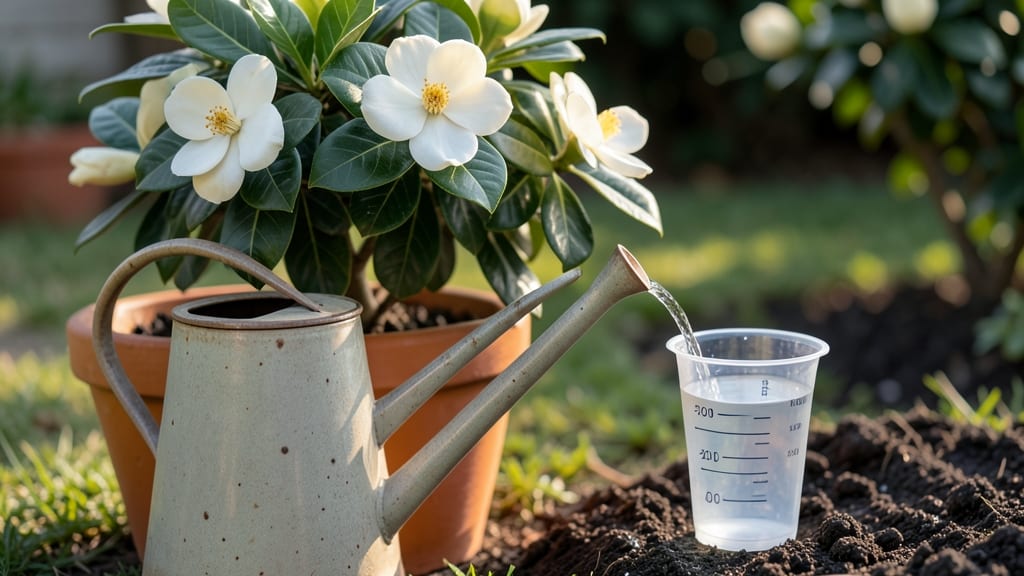
Gardenias need about 1-2 gallons of water per week during active growth, but the real trick is how you deliver it—deep, infrequent soaks keep those fragrant blooms coming.
Struggling to keep your gardenias blooming? The secret isn’t just sunlight—it’s mastering their watering needs. Too little, and your 🌸 shrubs wilt; too much, and you risk root rot. I’ve tested every method, from daily sprinkles to deep-soak schedules, and here’s what actually works for lush, fragrant gardenias.
Most gardeners overwater by default, thinking these tropical beauties crave constant moisture. But gardenias hate soggy roots—what they really need is a consistent deep drink, especially in Zones 6-10 where summer heat dries the soil fast.
In this guide, I’ll break down the exact watering schedule by season, how to tell if your plant is thirsty (or drowning), and why your container gardenias might need water twice as often as in-ground plants. Let’s get those blooms back!


Gardenia watering schedule: how much and when for peak blooms
Gardenias thrive when their watering routine mimics their natural tropical habitat—consistent moisture without soggy soil. The key is deep-soak watering, where you saturate the root zone while avoiding surface puddles. Unlike drought-tolerant plants, gardenias hate dry spells but despise waterlogged roots even more.
I’ve perfected this balance over years of trial (and a few sad, mushy gardenias), and the results? Fragrant blooms that last all summer.
Your gardenia’s water needs shift with seasons, pot size, and climate. In summer heat, I water mine every 2-3 days, while in winter, I stretch it to once a week. The trick? Always check the soil moisture before watering—never guess.
Overwatering is the #1 killer of gardenias, but underwatering means dropped buds and wilted leaves. Let’s break down the exact schedule, tools, and telltale signs to keep your plant happy.
Start your watering routine by testing soil moisture with your finger. Stick it 1-2 inches deep—if it feels dry, it’s time to water. For in-ground gardenias, aim for 1-2 gallons per watering session, delivered slowly to let roots absorb moisture.
Use a soaker hose or drip irrigation to avoid wetting leaves (fungus risk!). I’ve seen gardeners drown their plants by watering daily—consistency matters more than frequency.
Morning watering is non-negotiable. Watering at noon or evening leads to fungal diseases like powdery mildew, which gardenias are prone to. Schedule your watering for 6-9 AM to let foliage dry before humidity peaks.
Pro tip: Mulch with 2-3 inches of organic matter (like pine bark) to retain moisture and regulate soil temperature. This cuts watering needs by 30% in summer.
Adjust your schedule based on rainfall and humidity. If you get 1 inch of rain, skip watering for 2-3 days.
In low-humidity climates (like Arizona), I water daily in summer—but always check soil first. Overwatering signs include yellowing leaves, moldy soil, or stems that feel mushy when pressed. Underwatered gardenias have crispy edges and dropped buds. Both extremes stress the plant, so stay vigilant.
For container gardenias, drainage is critical. Ensure pots have drainage holes and use a well-draining mix (like 60% peat moss, 30% perlite, 10% sand). Smaller pots dry out faster—water potted gardenias every 1-2 days in summer.
If you notice salt buildup on the soil surface, flush the pot with water to prevent root burn. I repot mine every 2-3 years to refresh the soil and give roots room to grow.
Seasonal adjustments are key. In spring, ramp up watering as new growth appears. By late summer, reduce slightly to harden off plants before fall. Winter watering should be minimal—just enough to keep soil slightly moist.
If your gardenia is dormant (common in Zone 6), cut back to bi-weekly watering. Always water at the base, not the leaves, to prevent disease.
Track your gardenia’s response
Signs your gardenias are thirsty (or drowning) and how to fix it
Your gardenias might be sending silent SOS signals through their leaves and stems. Yellowing leaves or drooping buds often mean they’re either thirsty or drowning in overwatered soil. I’ve seen gardeners struggle with both extremes—watering too much in the morning heat or skipping water entirely during summer droughts.
The key is learning their subtle cues before the damage becomes permanent.
Let’s start with the most common red flags. Mushy stems or blackened roots are classic signs of overwatering, while crispy leaf edges and dropped buds scream dehydration.
Gardenias hate soggy feet but also can’t handle drought stress. The solution? A simple finger test to check soil moisture levels before you water again.
⚠️ Watering Warning: How Much Is Too Much?
Gardenias need: 1-2 gallons per week (deep soak), but never let them sit in wet soil. Test moisture by sticking your finger 1-2 inches deep—if it feels dry, water thoroughly. If it’s still damp, wait 2-3 more days. Overwatering causes root rot, while underwatering leads to bud drop and leaf scorch.
First, tackle yellowing leaves, which often appear on older foliage. This usually means your gardenia is overwatered or struggling with poor drainage.
Check the soil: if it smells sour or feels soggy, your plant’s roots are suffocating. Stop watering immediately and let the top 2-3 inches dry out before resuming. Amending the soil with perlite or sand can also improve drainage for future blooms.
Next, address dropped buds, a heartbreaking sign of stress. Bud drop happens when gardenias don’t get enough water during hot afternoons or when they’re transplant-shocked. To fix it, water deeply in the morning and mulch around the base to retain moisture.
Avoid afternoon watering—it encourages fungal diseases that further stress the plant. If buds keep dropping, your gardenia might also need a light fertilizer boost to recover.
If you spot mushy stems or blackened roots, your gardenia is drowning. This is an emergency! Gently remove the plant from its pot (or dig it up if in-ground) and inspect the roots. Healthy roots are firm and white; rotten ones are slimy and brown.
Trim away the bad roots with sterilized pruners, repot in fresh, well-draining soil, and hold off on watering for 3-5 days to let the roots recover.
For a quick troubleshooting checklist, remember these three steps: test soil moisture, adjust watering frequency, and improve drainage. Gardenias thrive on consistency—stick to a deep-soak schedule every 2-3 days in summer and reduce to once a week in winter.
With these fixes, your gardenias will bounce back with vibrant blooms in no time.