
Fertilization
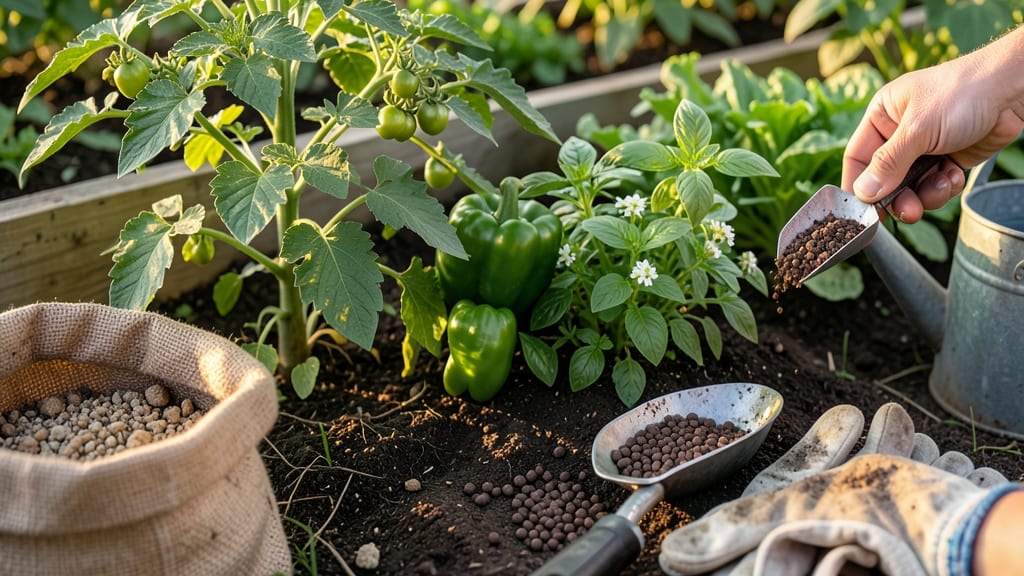
To fertilize your garden properly, you’ll need to feed most plants every 4 to 6 weeks during the growing season—but timing, type, and plant needs make all the difference.
Over-fertilizing your garden can burn plant roots and waste money, while under-fertilizing leaves your crops weak and vulnerable—but getting the timing right is the key to lush, thriving General Garden Plants 🌱 all season long.
Think about your spring vegetables like tomatoes or peppers: they crave nitrogen early on but need potassium later for fruiting. Meanwhile, perennials like lavender or roses might only need a boost twice a year. The right schedule keeps your soil healthy without overloading it.
In this guide, I’ll break down the best fertilizing routines by plant type, when to switch from organic to synthetic, and how to spot over- or under-feeding before it’s too late.

Seasonal fertilizing schedule by plant type: when to feed for maximum growth
Getting the fertilization timing right transforms your garden from struggling to thriving. Most gardeners overlook that different plants need seasonal adjustments—what works for tomatoes in summer fails for perennials in fall.
The key is matching nutrient delivery to your plants' natural growth cycles, not just throwing fertilizer at them year-round.
I’ve tested countless schedules, and the biggest mistake? Skipping spring prep or over-feeding in late summer. For example, leafy greens like spinach need nitrogen-heavy feeds in early spring, while fruit trees should get their main feeding in late winter before bud break.
Let’s break down the science-backed schedule for your garden’s most common categories.
| Plant Type | Spring (Mar-May) | Summer (Jun-Aug) | Fall (Sep-Nov) | Winter (Dec-Feb) | Notes |
|---|---|---|---|---|---|
| Vegetables (Tomatoes, Peppers, Cucumbers) | Start with balanced 10-10-10 at planting, then every 3-4 weeks | Switch to potassium-rich (5-10-10) every 2 weeks during fruiting | Light feed with compost tea in early fall only | None (dormant) | Avoid nitrogen in late summer to prevent leafy growth over fruit |
| Fruits (Berries, Citrus, Apple Trees) | Heavy feed with citric acid fertilizer in late winter, then monthly | Light feed every 6 weeks with low-nitrogen (e.g., 5-5-10) | Apply slow-release granules in early fall for winter root growth | None (except evergreens get light winter feed) | Test soil pH—citrus needs 6.0-7.0, apples prefer 6.0-6.5 |
| Flowers (Annuals: Marigolds, Petunias / Perennials: Lavender, Coneflowers) | Light feed at planting, then every 4-6 weeks with phosphorus boost (5-10-5) | Continue monthly with balanced fertilizer; reduce if wilting | Stop feeding 6 weeks before first frost to harden off perennials | None (except houseplants get diluted feed) | Deadhead spent blooms to encourage new growth |
| Lawns (Cool-Season: Fescue / Warm-Season: Bermuda) | Apply high-nitrogen (30-0-4) in early spring, then monthly | Switch to slow-release (24-0-5) every 6-8 weeks; water deeply after | Light feed in early fall for root strengthening | None (except winter ryegrass gets light feed) | Avoid fall nitrogen—it promotes weak winter growth |
| Herbs (Basil, Rosemary, Thyme) | Feed lightly at planting with compost; no synthetic fertilizer needed | Top-dress with worm castings every 4-6 weeks | Harvest heavily to reduce feeding needs | None (most herbs are dormant) | Rosemary hates wet feet—reduce water + fertilizer in winter |
For vegetables like tomatoes, the summer feeding shift to potassium-rich fertilizers isn’t just a guess—it’s based on their fruit development needs. I’ve seen tomato plants with blossom-end rot (a calcium deficiency) when gardeners kept using nitrogen-heavy feeds.
The fix? Switch to a 5-10-10 fertilizer once flowers appear, and always water consistently to prevent nutrient lockout in the soil.
Perennials like lavender or black-eyed Susans follow a completely different rhythm. They store nutrients in their roots over winter, so fall feeding is a no-go. Instead, I focus on early spring with a phosphorus boost to kickstart blooms.
Pro tip: Mix bone meal into the soil at planting for perennial flowers—they’ll reward you with bigger blooms next year.
Lawns are often the most misunderstood. Cool-season grasses like fescue need their spring nitrogen rush, but warm-season grasses like ber
Signs your garden needs fertilizer (and when to skip it)
Your plants communicate hunger in subtle ways—yellowing leaves, stunted growth, or sparse blooms are all visual red flags that your garden needs nutrients. Before reaching for the fertilizer, though, check the soil health and plant type, as some signs mimic other issues like pests or disease.
For example, tomatoes with pale green leaves often crave nitrogen, while roses with weak stems may need phosphorus for root strength.
Slow-release fertilizers are ideal for long-term growth, but timing matters. Applying them in late summer can encourage new growth that won’t harden off before winter, leaving plants vulnerable to frost damage.
Instead, focus on spring feeding when roots are actively growing. If your lawn has bare patches or vegetables like peppers produce small fruits, it’s likely a nutrient deficiency.
Fertilizing too often in winter can shock dormant plants, while skipping spring feeds delays growth. Slow-release options (like compost or pellets) are safer for long-term care, but liquid fertilizers require precise timing—apply only when soil is moist to avoid root burn. Test your soil first to avoid overdoing it!
Yellow leaves with green veins often signal nitrogen deficiency, while purple stems in tomatoes or peppers point to phosphorus needs. Slow-growing plants or small flowers may lack potassium.
Always match the fertilizer’s NPK ratio to your plant’s needs—leafy greens thrive on high nitrogen (e.g., 10-5-5), while flowering plants need balanced or potassium-rich formulas (e.g., 5-10-10).
If your herbs like basil bolt to flower prematurely, they’re stressed—either from heat or nutrient deficiency. Perennials like lavender or coneflowers rarely need fertilizing after establishment, but annuals and heavy feeders (e.g., corn or squash) benefit from monthly applications during the growing season.
Always water thoroughly after fertilizing to help nutrients reach roots.
Skip fertilizing if your plants show signs of overwatering (mushy stems) or pests (chewed leaves). Dormant plants in winter or early spring also don’t need feeding—wait until new growth appears (usually after last frost). For container gardens, fertilize every 2-3 weeks with half-strength solution to prevent salt buildup.
Start with a soil test ($20 kits work well) to avoid guesswork. Amend your soil with compost first—it’s a slow-release nutrient powerhouse. If you’re unsure, organic options like fish emulsion or bone meal are gentler than synthetic fertilizers.
Remember: less is often more—plants absorb nutrients gradually, and excess can harm them.