
How To
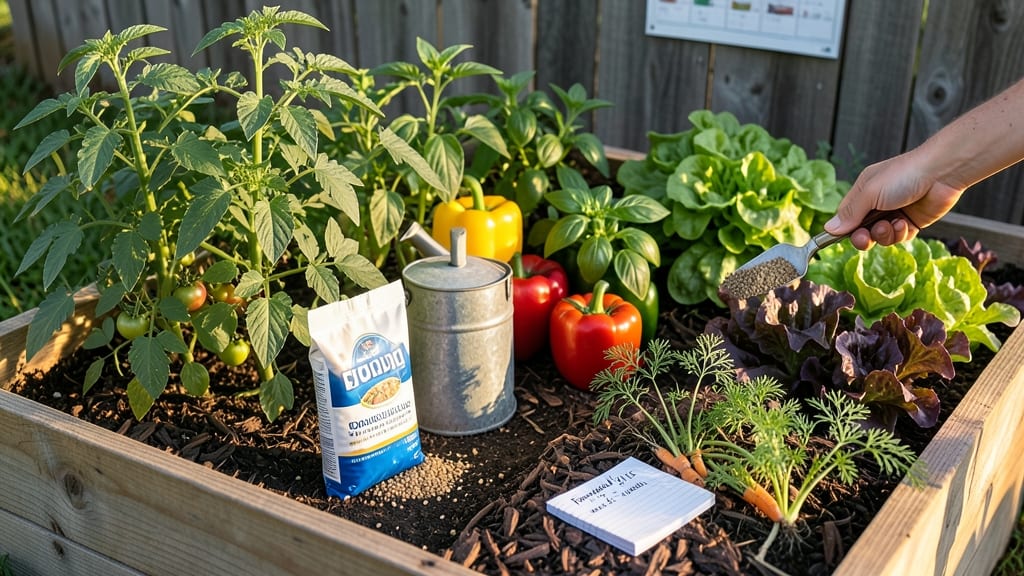
To fertilize your vegetable garden properly means feeding it every 4 to 6 weeks during the growing season—timing that makes all the difference between a bountiful harvest and struggling plants.
Wondering why your 🥬 garden isn’t producing the harvest you expected? The answer might lie in your fertilization schedule—too little or too much can stifle growth, while the right timing unlocks peak yields and healthier plants.
Leafy greens, fruiting plants, and root crops all have different needs, and seasonal shifts demand adjustments. A spring boost sets the stage, but summer’s heat and fall’s chill change the game entirely.
Below, I break down the exact schedule for your garden’s needs, how to spot over- or under-fertilization, and the best organic options for balanced growth.

Seasonal fertilizing schedule for vegetable gardens by plant type
Fertilizing your vegetable garden isn't a one-size-fits-all task—different plants have unique nutrient needs that change with the seasons. Leafy greens like spinach and kale thrive on nitrogen-rich feeds, while fruiting plants such as tomatoes and peppers need balanced NPK ratios for both growth and harvest.
Understanding these differences ensures your garden produces healthier plants and bigger yields.
Timing matters just as much as what you apply. Spring fertilization jumpstarts growth, summer feeds support flowering and fruiting, and fall applications strengthen roots before winter. Organic fertilizers like compost release nutrients slowly, while synthetic options provide quick fixes—each has its place in your seasonal plan.
Here’s how to tailor your fertilization schedule by plant type and season for a thriving vegetable garden:
| Plant Type | Spring Fertilization | Summer Fertilization | Fall Fertilization | Notes |
|---|---|---|---|---|
| Leafy Greens | High-nitrogen (e.g., blood meal) at planting | Light feed every 3-4 weeks | Low-nitrogen (e.g., compost) in early fall | Avoid over-fertilizing—focus on nitrogen |
| Root Vegetables | Balanced (10-10-10) at planting | Side-dress with compost mid-season | None—roots need to mature | Stop fertilizing 4-6 weeks before harvest |
| Fruiting Plants | Balanced (5-10-10) at planting | High-phosphorus (e.g., bone meal) at flowering | Low-nitrogen (e.g., kelp meal) for root strength | Reduce nitrogen after fruiting begins |
| Herbs | Light organic (e.g., worm castings) at planting | None—herbs prefer lean soil | Compost top-dress in early fall | Over-fertilizing causes bitter flavors |
For leafy greens, prioritize nitrogen-heavy fertilizers in spring to boost leaf production. Root vegetables like carrots and beets need a balanced approach early on, but stop feeding as they near harvest to avoid forked roots. Fruiting plants, such as tomatoes and peppers, benefit from phosphorus-rich fertilizers during flowering to encourage fruit set.
Herbs like basil and cilantro are light feeders—too much fertilizer can make them bitter or leggy. Instead, focus on organic matter like compost to improve soil health without overstimulating growth. Always water fertilizers in thoroughly to prevent root burn.
Organic fertilizers like compost or fish emulsion release nutrients slowly, making them ideal for maintenance feeding throughout the season. Synthetic fertilizers, on the other hand, provide immediate results but require more frequent applications. For example, use synthetic 10-10-10 for a quick boost during peak growth phases.
Adjust your schedule based on weather conditions. Heavy rains can leach nutrients, so fertilize after a downpour. In drought conditions, reduce feeding to avoid stressing plants. Always monitor your garden for signs of deficiency (yellow leaves) or over-fertilization (burnt edges).
Fall is the time to strengthen roots for next year. Use low-nitrogen fertilizers like compost or kelp meal to encourage root development without promoting late
Signs your vegetable garden needs fertilizer (and when to stop)
Your vegetable garden sends clear signals when it needs nutrients—yellowing leaves, stunted growth, or pale stems often mean it’s time to fertilize. But recognizing these nutrient deficiency symptoms early can prevent permanent damage.
For example, nitrogen deficiency causes yellowing between leaf veins, while phosphorus deficiency leads to dark green leaves with purple stems.
On the flip side, over-fertilizing can be just as harmful. Too much nitrogen causes excessive leafy growth at the expense of fruit production, while burnt foliage or crispy leaf edges signal salt buildup from overuse. Balancing fertilization is key to avoiding these pitfalls.
⚠️ Warning: Fertilizing Too Often Hurts More Than Helps
Most vegetable gardens only need fertilization every 4-6 weeks during the growing season. Overdoing it—especially with synthetic fertilizers—can burn roots, disrupt soil microbes, and lead to salt buildup that prevents water absorption. For organic options like compost or manure, feed lightly every 6-8 weeks instead.
✅ Rule of thumb: Stop fertilizing 6 weeks before harvest to avoid chemical residues in your produce.
Start by checking your soil pH—most vegetables thrive in slightly acidic to neutral soil (pH 6.0-7.0). A simple soil test kit can reveal deficiencies before symptoms appear. For instance, tomatoes and peppers need high potassium for fruit development, while leafy greens like spinach benefit from extra nitrogen.
Observe the growth patterns of your plants. Healthy vegetables grow steadily, with strong stems and vibrant foliage. If your tomatoes produce lots of leaves but few fruits, or your carrots grow leggy and thin, it’s a sign they need a balanced fertilizer with more phosphorus or potassium.
Adjust your feeding schedule accordingly.
Another key indicator is root development. Dig gently around the base of a plant—if roots are sparse or white (instead of healthy tan), it’s time to fertilize.
However, if roots appear black or mushy, stop fertilizing immediately and focus on improving drainage. Over-fertilized plants often struggle to absorb water, leading to root rot.
Seasonal adjustments are crucial. In spring, focus on nitrogen-rich fertilizers to boost leafy growth. By summer, switch to a phosphorus-heavy fertilizer to support flowering and fruiting.
In fall, reduce fertilization entirely to let plants harden off before winter. Always water deeply after fertilizing to help nutrients reach the roots.
Listen to your garden—it communicates through its leaves, stems, and growth habits. With the right balance of nutrients and timing, you’ll avoid both deficiencies and overfeeding, ensuring a healthy, productive harvest all season long. 🌱