
How To
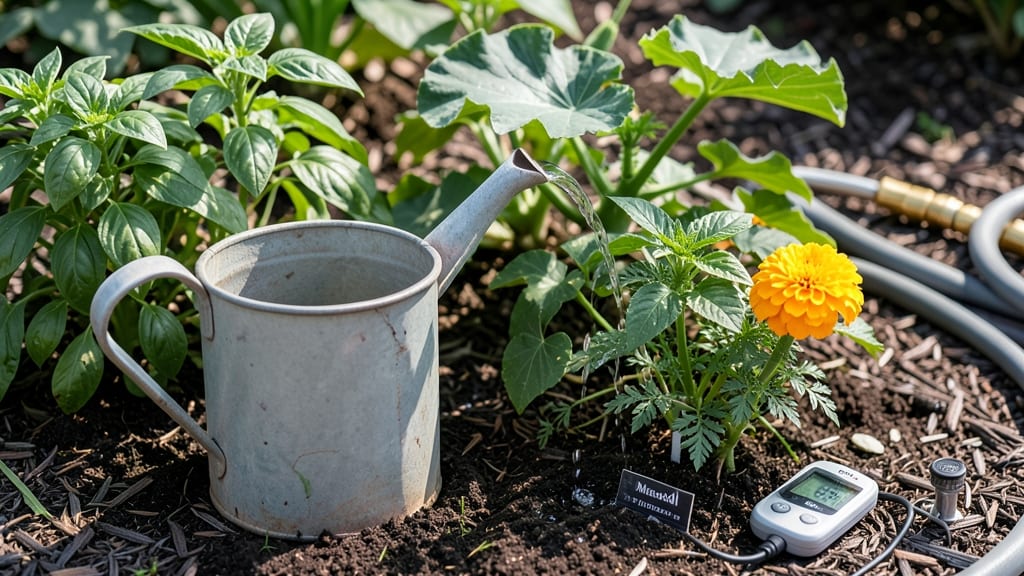
To water your garden the right way—keeping roots perfectly moist without drowning or starving your plants—you need a schedule that adapts to soil, season, and plant type.
Overwatering or underwatering your garden can turn your green thumb into a black thumb faster than you think—yet most gardeners guess rather than measure when it comes to watering schedules.
This isn’t just about survival; it’s about thriving. Too much water rots roots, while too little stresses plants into early decline. The key? Understanding how your soil holds moisture and what each plant truly needs.
Below, I break down the exact watering frequency for different soil types, plant families, and climates—plus 5 pro tips to cut waste and keep your garden lush, no matter what Zone 6a throws at you.
Watering frequency by soil type: the 4 key categories explained
Your garden's soil type is the secret weapon for perfect watering—it dictates how often you water and how much your plants actually need. Sandy soil drains like a sieve, while clay soil holds moisture like a sponge.
Even loamy soil (the gardener’s gold) has quirks. Let’s decode the 4 key soil types and their watering rules so you never over- or underwater again.
Most gardeners make the mistake of watering on a fixed schedule instead of checking their soil’s actual moisture levels. For example, tomatoes in sandy soil might need daily watering in summer, while the same plants in clay soil could go 3 days between waterings.
The difference? Drainage speed and water retention—and these vary wildly by soil type.
Here’s the game-changer: Soil type determines root health. Plants in chalky soil (common in limestone regions) may struggle with nutrient uptake if overwatered, while peaty soil can suffocate roots if not amended. Understanding these categories lets you customize your watering routine like a pro, saving time and water.
| Soil Type | Water Retention | Recommended Watering Frequency | Best Plants for This Soil | Key Signs of Over/Underwatering |
|---|---|---|---|---|
| Sandy Soil | Low (drains in 1-2 hours) | Every 1-2 days (daily in heatwaves) | Carrots, potatoes, lavender, rosemary | Over: Yellow leaves, mold; Under: Wilting by noon |
| Clay Soil | High (holds water for 3-5 days) | Every 3-5 days (less in rain) | Peonies, hostas, blueberries, rhododendrons | Over: Root rot, soggy soil; Under: Cracked soil, curled leaves |
| Loamy Soil | Moderate (drains in 4-6 hours) | Every 2-3 days (adjust by season) | Tomatoes, zucchini, marigolds, basil | Over: Drooping leaves, fungus; Under: Dry soil crust |
| Chalky Soil | Very Low (drains too quickly) | Every 1-2 days + organic matter | Thyme, sage, clematis, grapes | Over: Nutrient leaching; Under: Stunted growth |
Take loamy soil, for example—the gardener’s dream. It’s like the Goldilocks of soil types: not too fast, not too slow. My tomato plants thrive here with deep watering every 2-3 days in summer, while zucchini loves the same schedule.
But swap to sandy soil, and those same tomatoes might wilt by midday unless I water twice daily during heatwaves.
If you’re unsure about your soil type, do the jar test: Fill a jar with soil and water, then shake. Sandy soil settles fastest (like sand in an hourglass), while clay soil stays murky for days. Loamy soil?
It separates into distinct layers—sand on top, silt in the middle, and clay at the bottom. This simple test reveals why your roses might be thirsty one season and soggy the next.
Pro tip: Mulch changes the game. A 2-inch layer of straw or wood chips can turn sandy soil into a moisture-retaining powerhouse by slowing evaporation. For clay soil, mulch prevents cracking and helps roots breathe. Even chalky soil benefits—adding compost improves its water-holding capacity over time.
Let’s talk seasonal tweaks. In summer heat, sandy soil might need watering daily, while clay soil could go 5 days between waterings. Winter? Cut back to once weekly for loamy soil and every 10 days for clay.
Your soil’s natural moisture buffer is your best friend here—learn to read it.
One common mistake? Ignoring rainfall. If you watered yesterday and got 1 inch of rain, skip today’s schedule. Use a rain gauge
How to adjust watering for plant type: succulents vs. leafy greens vs. flowers
Not all plants drink from the same watering can—and treating them equally is a fast track to wilted leaves or root rot. Succulents hoard moisture like camels, while leafy greens thirst like desert travelers.
Even flowers have different hydration needs depending on whether they're blooming or just putting on leaves. Understanding these differences saves time, water, and your sanity during peak growing seasons.
The key to mastering plant-specific watering lies in recognizing their natural habitats. Succulents evolved in arid climates where drought is the norm, while lettuce and spinach crave consistently damp soil to grow those crisp, tender leaves. Flowering plants often need a balance—enough moisture to fuel blooms but not so much they rot.
Seasonal shifts further complicate things: what works in summer's heat may drown plants in winter's chill.
Succulents & Cacti
Water every 2–4 weeks (or when soil is completely dry). Overwatering kills them faster than underwatering. Use terracotta pots to prevent root rot—these breathe better than plastic.
Leafy Greens (Lettuce, Spinach, Kale)
Water every 1–2 days in hot weather; keep soil consistently moist (never soggy). Mulch heavily to retain moisture—straw or grass clippings work best for these moisture-lovers.
Flowering Plants (Roses, Petunias, Marigolds)
Water 2–3 times per week during blooming season; reduce to once weekly in cooler months. Focus on deep watering at the base—shallow watering stresses roots.
Herbs (Basil, Mint, Thyme)
Water every 2–3 days for basil (likes moisture), but every 7–10 days for thyme and rosemary (drought-tolerant). Group basil with leafy greens; thyme with succulents.
Spring and summer demand the most attention—leafy greens and flowers will beg for water as temperatures rise, while succulents can wait until the heat peaks. In fall and winter, cut back dramatically: most plants enter dormancy, and overwatering becomes the real risk.
Even herbs like basil slow down when nights grow chilly, needing only enough moisture to survive.
Pro tip: Observe your plants daily. Drooping leaves often signal thirst (especially in greens), but yellowing or mushy stems mean you've overdone it. For succulents, wrinkled skin is a cry for water—don’t wait until they shrivel!
Adjust your schedule weekly based on rainfall and temperature shifts. A rain gauge helps track natural hydration.
Remember, consistency is key. Plants thrive on routine—whether it’s the succulent’s biweekly sip or the lettuce’s daily drink. Master these rhythms, and your garden will reward you with lush growth, vibrant blooms, and zero guesswork. Happy watering! 💧