
How To
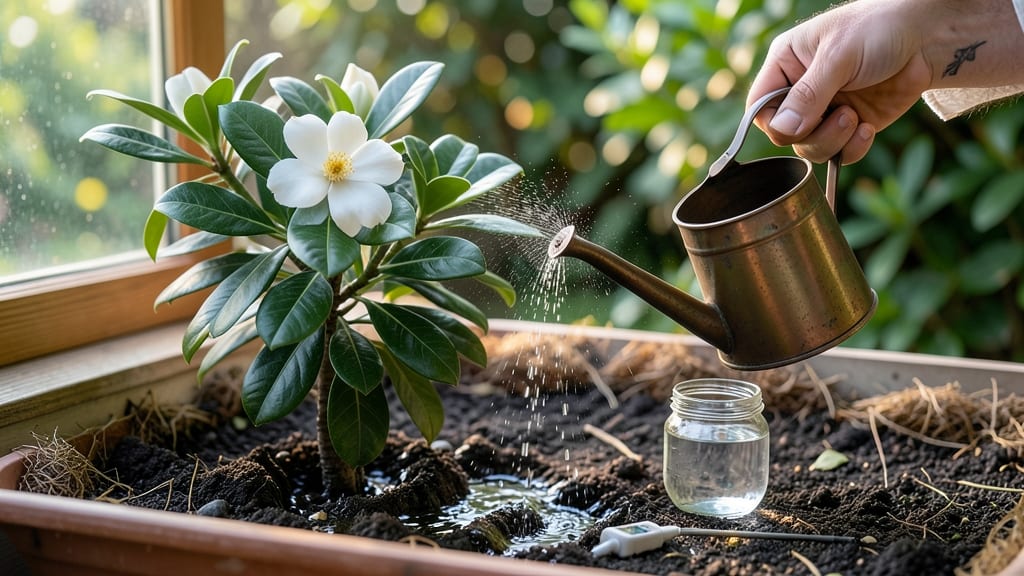
Watering gardenias the right way keeps their glossy leaves and intoxicating blooms thriving—how often to water gardenia depends on your soil, climate, and whether it’s in a pot or planted in the ground.
Struggling to keep your gardenia blooming beautifully? The secret often lies in mastering its watering schedule—too much or too little can spell disaster for these tropical favorites.
Most gardeners overdo it, thinking these plants love soggy roots, but the key is consistent moisture without drowning them. I’ll show you how to read the soil, adjust for summer heat or winter chill, and spot the early signs of stress before it’s too late.
By the end, you’ll know exactly when to reach for the watering can—no guesswork, just lush, fragrant gardenias that reward you with blooms all season.
Optimal watering frequency for gardenias by season and climate
Gardenias thrive on consistent moisture, but their watering needs shift dramatically with seasonal changes and local climate. As a tropical shrub, they crave humidity and warmth but can suffer from root rot if overwatered.
My gardenias in USDA Zone 9 need daily watering in summer, while those in Zone 7 can survive on weekly watering in winter. The key is balancing moisture with airflow to prevent fungal diseases.
Humidity plays a critical role—coastal gardenias benefit from salt-laden air and natural mist, while inland plants may need daily misting or pebble trays to replicate their tropical habitat.
Rainfall also adjusts the schedule: in wet climates, reduce watering by 50%, while dry regions may require drip irrigation for consistency. Let’s break it down by season and location.
🌱 Comparison Table: Watering Gardenias by Season & Climate
| Season | USDA Zones 7-8 (Inland) | USDA Zones 9-11 (Coastal) | Frequency | Notes |
|---|---|---|---|---|
| Spring | Every 3-4 days | Every 2-3 days | Deep soak (1L) | Increase as temps rise |
| Summer | Every 2-3 days | Daily (morning) | 1-2L per plant | Mulch to retain moisture |
| Fall | Weekly | Every 3-4 days | Reduce by 30% | Prepare for dormancy |
| Winter | Bi-weekly | Weekly (if dry) | Light soak (500ml) | Avoid soggy soil |
In spring, gardenias wake from dormancy and need gradual hydration. Start with every 3-4 days in Zone 7-8 and increase to daily misting in Zone 9-11 as temperatures climb.
The goal is to keep the top 2 inches of soil moist but never waterlogged. Use a moisture meter to avoid guesswork—these tools are game-changers for precision watering.
Summer is the most critical season for gardenias. In coastal areas, morning watering mimics natural dew cycles, while inland regions benefit from drip irrigation to prevent leaf scorch. My Zone 9 gardenias wilt by afternoon if I skip daily watering, but a 2-inch mulch layer helps retain moisture.
Always water at the base of the plant to protect delicate leaves from fungal spores in wet foliage.
Fall signals a shift toward reduced watering as gardenias prepare for dormancy. Cut back to weekly watering in Zone 7-8 and every 3-4 days in Zone 9-11.
This gradual reduction prevents root shock and encourages healthy bud formation for next year. Prune yellowing leaves now—they signal stress from inconsistent moisture.
Winter care depends on your climate. In Zone 7-8, water bi-weekly only if the soil feels dry, while Zone 9-11 may still need weekly light watering to combat dry air.
Never let gardenias sit in waterlogged soil—this causes root rot, which is fatal. A well-draining pot with drainage holes is a must for container gardenias during winter.
Humidity is the wild card in gardenia care. In low-humidity areas, group plants together to create a microclimate or use a humidifier near potted gardenias. Coastal gardenias, on the other hand, may need less frequent watering due to salt spray and natural fog.
Test your soil’s moisture by sticking your finger 2 inches deep—if it’s dry, water; if damp, wait. This finger test beats overwatering every time.
Pro tip: Adjust your watering based on pot size. A 5-gallon container dries out faster than in-ground planting, so water every 2 days in summer. For large shrubs, spread water over a 12-inch
Signs your gardenia needs water (and when to hold back)
Your gardenia’s leaves tell a silent story about its thirst. Wilting or drooping foliage is the most obvious cry for help, but don’t wait until the leaves sag—check the soil first. Dry topsoil (1-2 inches deep) means it’s time to water, while damp or clinging soil signals you’ve overdone it.
I’ve learned the hard way that gardenias hate soggy roots almost as much as they love consistent moisture.
Another telltale sign is the color of new growth. Healthy gardenia leaves are deep green and glossy, but yellowing or brown edges often mean underwatering or overwatering. If the yellowing starts at the tips and spreads inward, it’s usually a watering imbalance.
Pay attention to the stem’s firmness too—soft, mushy stems scream root rot, while brittle stems signal dehydration.
Here’s my foolproof finger test for soil moisture: Stick your finger about 1-2 inches deep into the soil. If it feels dry, water thoroughly until it drains from the pot’s bottom (for container plants) or seeps 6 inches deep (for in-ground plants).
If it’s still damp, wait another day. This simple trick saves me from both drowning my plants and watching them wilt from neglect.
✅ DO Water When...
- 🌱 Topsoil is bone-dry (1-2 inches deep)
- 🌿 Leaves show early wilting (not yet crispy)
- 💧 Soil pulls away from pot edges (for containers)
❌ DON'T Water When...
- 🌧️ Soil is still damp (finger test confirms moisture)
- 🍃 Leaves are yellow with mushy stems (root rot risk)
- ☀️ Evening watering (increases fungal diseases)
Pro Tip: Water in the morning to reduce evaporation and fungal risks.
Root rot is the silent killer of gardenias, and it starts with overwatering. Look for blackened roots or a foul smell when you check the soil—this is your plant’s SOS. If you spot these signs, stop watering immediately and repot in fresh, well-draining soil.
I once lost a gardenia to root rot because I assumed it needed more water during a humid summer. Now, I always pair my watering schedule with a soil drainage check.
Seasonal changes also shift your gardenia’s water needs. In summer heat, water every 2-3 days (or daily in extreme heat), while winter dormancy often means watering just once a week.
Humidity plays a role too—coastal gardenias may need less frequent watering than those in dry climates. Adjust based on your local climate and the plant’s response, not a rigid schedule.
Remember, gardenias thrive on consistency, not excess. If you’re unsure, underwater slightly—you can always water more later. The goal is moist but never soggy soil, and your gardenia will reward you with glossy leaves and fragrant blooms all season. 🌸