
How To
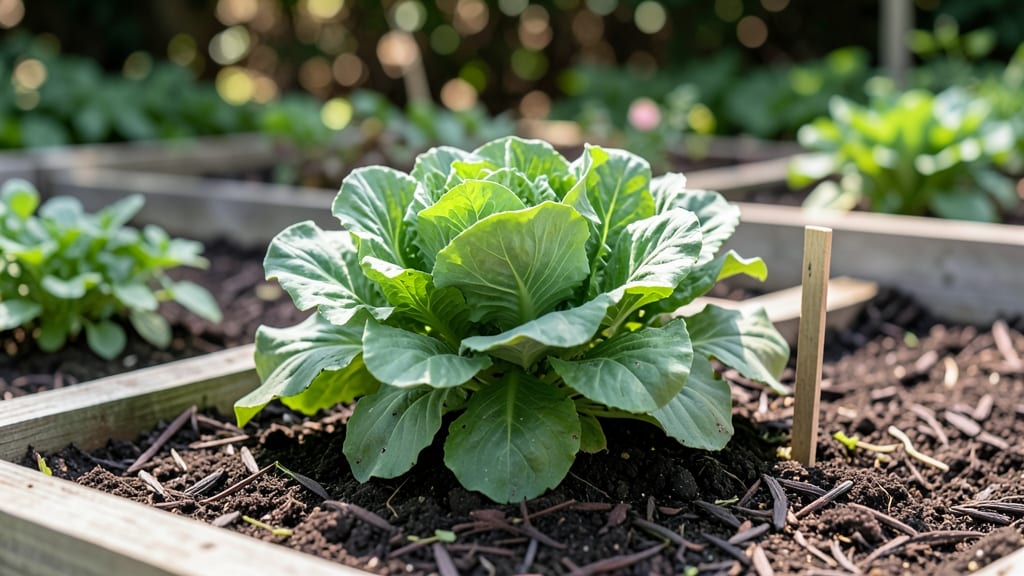
Growing a lettuce garden 🥬 delivers crisp, homegrown greens in as little as 30 days—far fresher than anything you’ll find in a store.
Picture this: biting into a salad straight from your backyard, knowing every leaf was nurtured by your own hands. Whether you’re working with a balcony planter or a full raised bed, lettuce is one of the easiest crops to grow, even for beginners.
But here’s the catch: timing, soil, and a little shade can make all the difference between a thriving harvest and bitter disappointment.
I’ll walk you through the fastest way to get from seed to salad bowl, including when to plant, how to keep it crisp, and how to avoid the dreaded bolting that turns your greens to seed.
By the end, you’ll have a step-by-step plan to grow lettuce that’s crisp, abundant, and ready to harvest—no green thumb required.

Step-by-step lettuce garden planting guide for fast harvests
There's nothing like the satisfaction of harvesting crisp, homegrown lettuce in just 30 days. Whether you're working with a small balcony container or a full backyard plot, lettuce thrives with the right approach.
The key to fast harvests lies in selecting the right varieties, preparing your soil properly, and maintaining consistent care. Let's break down the process into simple, actionable steps that guarantee success.
Before you begin, keep in mind that lettuce is a cool-season crop that bolts (goes to seed) quickly when exposed to hot temperatures. Choosing the right fast-maturing varieties like butterhead or romaine will give you the best chance for rapid growth.
With proper timing and care, you can enjoy fresh salads straight from your garden in no time. Let's get started on your path to a thriving lettuce patch!
Step-by-Step Lettuce Planting Process
Select fast-maturing varieties like Buttercrunch (45 days), Romaine (50 days), or Black Seeded Simpson (35 days). For hot climates, opt for heat-tolerant varieties like Jericho or Summertime.
Test your soil's pH (6.0-7.0) and amend with compost or aged manure. Lettuce prefers loose, well-draining soil rich in organic matter. Avoid fresh manure, which can cause bolting.
For fastest harvests, use transplants (available at nurseries). If starting from seeds, sow them ¼ inch deep in rows spaced 12-18 inches apart. Seeds germinate in 5-10 days at 60-70°F.
Space transplants 10-12 inches apart in rows 18 inches apart. For container gardening, use 5-gallon pots with one plant per container. Thinning seedlings to proper spacing prevents competition.
Keep soil evenly moist (not soggy). Water early morning to reduce fungal diseases. Lettuce needs 1 inch of water weekly, more in hot weather. Use drip irrigation for best results.
Use shade cloth (30-50%) to protect lettuce from bolting when temperatures exceed 75°F. Alternatively, plant in partial shade areas like under trees or near north-facing fences.
Apply a balanced fertilizer (10-10-10) at planting and again after 4-6 weeks. Avoid high-nitrogen fertilizers, which can cause leafy growth at the expense of roots. Use compost tea for organic nutrition.
Harvest outer leaves first when they reach 4-6 inches. For head lettuce, cut the entire head when firm. Avoid harvesting in hot afternoons to prevent wilting. Use clean scissors to
Lettuce bolting—when it prematurely flowers and turns bitter—can turn your crisp harvest into a sad memory. But with the right strategies, you can enjoy fresh greens for months. The key is understanding your lettuce's temperature triggers and using simple techniques to keep it cool and happy. Even in hot climates, a few adjustments can make all the difference. First, focus on shade solutions to protect your plants from summer heat. Lettuce thrives in cooler weather, so providing afternoon shade with a lightweight row cover or mesh can prevent bolting. For containers, move them to dappled shade spots. This small change can extend your harvest window by 4-6 weeks during peak summer months. Plant lettuce in 3 batches every 2 weeks for continuous harvests. Start with heat-tolerant varieties like Romaine or Buttercrunch, then follow with leaf lettuce (like Black Seeded Simpson) in fall. This ensures you always have fresh greens, even as summer transitions to cooler weather. ✅ Pro Tip: Use shallow planters (6-8" deep) for quick succession—ideal for small spaces! Bolting isn't just about heat—drought stress triggers it too. Maintain consistent moisture by watering deeply in the morning and mulching with straw or grass clippings. A 2-3 inch mulch layer keeps roots cool and retains moisture, reducing the need for frequent watering. Avoid overhead sprinklers, which can promote fungal diseases like downy mildew. For organic pest control, introduce companion plants like chives, radishes, or marigolds. These naturally repel pests like aphids and slugs, which can stress lettuce and encourage bolting. Aphids, in particular, suck sap and weaken plants, making them more susceptible to heat stress. Spray plants with a soapy water solution (1 tsp mild soap per quart of water) if you spot clusters of these pests. Harvesting correctly also prevents bolting. Instead of cutting the whole head, snip outer leaves at the base when they reach 4-6 inches. This encourages regrowth and gives you multiple harvests per plant. For head lettuce, wait until the head is fully formed but still firm—cutting too early stresses the plant and can trigger bolting. Finally, choose the right varieties for your climate. Heat-tolerant lettuce like Jericho Romaine or Summer Crisp can handle warmer temperatures better than traditional types. In cooler regions, focus on slow-bolting varieties like Winter Density or Arctic King. Always check seed packets for days-to-maturity and heat tolerance ratings to match your growing season. With these strategies, you'll enjoy crisp, homegrown lettuce for weeks longer than the average gardener. The secret is combining shade, consistent care, and smart variety choices—no fancy equipment needed! 🥬Pro tips to extend your lettuce harvest season and prevent bolting
🌿 Succession Planting Secret