
How To
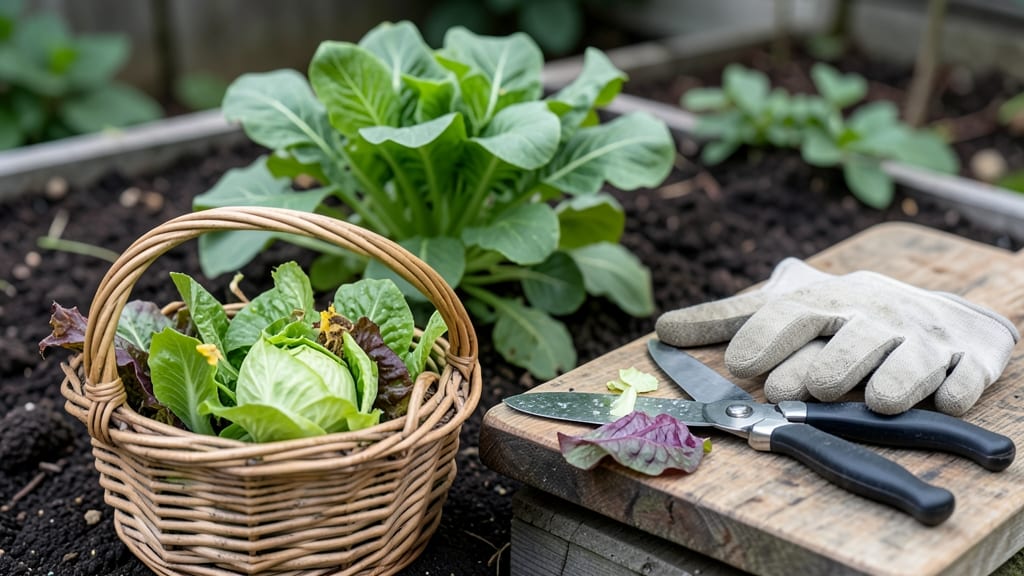
To harvest lettuce from your garden at the perfect moment ensures crisp, flavorful leaves every time 🥬—and it’s easier than you think.
Nothing beats the satisfaction of harvesting crisp, homegrown lettuce—except maybe knowing how to do it just right to avoid bitter leaves or wilted disappointment.
Timing is everything: leaf lettuce can be picked as soon as the outer leaves reach 4–6 inches, while head varieties need to form a tight rosette before cutting. The right technique—like snipping just above the base—keeps your plants producing for weeks.
From storage hacks to avoiding common mistakes, this guide covers everything you need to turn your garden harvest into fresh, long-lasting salads.


The best time & method to harvest lettuce for maximum freshness
Harvesting lettuce at the right time ensures crisp, flavorful leaves instead of bitter or wilted disappointment. The ideal harvest window depends on whether you're growing leaf lettuce (like loose-leaf varieties) or head lettuce (like romaine or iceberg).
Leaf lettuce can be harvested multiple times, while head lettuce is best picked all at once when fully mature.
For leaf lettuce, start harvesting when the outer leaves reach 4–6 inches in length. This usually happens 30–45 days after planting. Cutting just above the lowest set of leaves encourages regrowth, giving you a continuous harvest.
Head lettuce, on the other hand, should be harvested when the entire head feels firm and the leaves are tightly packed.
Here’s how to tell when your lettuce is ready:
| Type | Harvest Time | Signs of Readiness | Cutting Technique |
|---|---|---|---|
| Leaf Lettuce | 30–45 days | Outer leaves 4–6" long, crisp, vibrant color | Snip individual leaves or cut 1" above base |
| Head Lettuce | 45–60 days | Firm head, tightly packed leaves, deep color | Cut entire head 1" above soil level |
| Butterhead Lettuce | 50–60 days | Soft, rounded head, pale green/yellow | Harvest whole head when fully formed |
To harvest leaf lettuce, use a clean, sharp pair of scissors or pruning shears. Cut the outer leaves first, leaving the inner leaves to grow. This method extends your harvest season by 3–4 weeks and prevents the plant from bolting (sending up a flower stalk).
For head lettuce, grasp the base firmly and twist or cut the entire head at the soil line.
Timing is everything—harvest in the early morning when temperatures are cool. This preserves crispness and prevents wilting. Avoid harvesting during hot afternoons, as the leaves can become limp and bitter.
If you notice the center leaves starting to yellow or the plant sending up a tall stalk, you’ve waited too long!
After harvesting, rinse the lettuce gently under cool water to remove dirt, but avoid soaking. Pat dry with a clean towel or use a salad spinner to remove excess moisture.
Store immediately in the refrigerator to maintain freshness. For leaf lettuce, you can even replant the cuttings, and they’ll regrow in 2–3 weeks with proper care.
One common mistake is harvesting too aggressively. Never cut more than 1/3 of the plant at once, or you risk stunting regrowth. If you’re growing lettuce in containers, harvest from the outer edges inward to keep the plant balanced.
This method works especially well for loose-leaf varieties like oakleaf or red sails.
For maximum yield, harvest regularly throughout the growing season. Spring and fall are the best times for lettuce, as summer heat often causes bolting. If you live in a warm climate, opt for heat-tolerant varieties like romaine or use shade cloth to protect your plants.
With the right timing and technique, you’ll enjoy a steady supply of fresh, homegrown lettuce all season long.
Pro tip: If your lettuce starts to bolt, harvest the leaves immediately and sow new seeds for a fall crop. Bolting doesn’t mean your harvest is ruined—it just signals the end of the plant’s productive life. Save the seeds for next season or compost the plant to enrich your soil.
How to store harvested lettuce: 5 proven methods to extend shelf life
Storing freshly harvested lettuce properly can turn a 3-day salad into a 2-week feast. The key lies in controlling moisture, temperature, and airflow—each method balances these factors differently. Whether you're prepping for a busy week or stocking up for winter, these techniques keep your greens crisp and vibrant.
Lettuce is 95% water, making it highly perishable. Without proper storage, it wilts within 24 hours or worse—bolts prematurely. But with the right approach, you can extend freshness while preserving flavor and texture. The best method depends on your storage timeframe and available tools.
⚠️ PROS-CONS BOX: STORAGE METHODS COMPARED
For short-term storage (3-5 days), my go-to is the paper towel wrap. Simply wrap your lettuce in a dry paper towel before placing it in a plastic bag.
The towel absorbs excess moisture while the bag retains humidity—perfect for keeping leaves crisp until your next grocery run. This method is ideal for leaf lettuce varieties like romaine or butterhead.
When planning for long-term storage (1-2 weeks), I turn to air-tight containers or the glass jar water bath. The jar method involves submerging lettuce stems in 1 inch of water inside a sealed container, mimicking the plant’s natural hydration.
Change the water every 2-3 days to prevent bacterial growth. For head lettuce like iceberg or crisphead, this preserves texture remarkably well.
Temperature control is non-negotiable—store lettuce in the crisper drawer of your fridge at 32-35°F (0-2°C). Avoid washing until ready to eat, as excess moisture speeds up spoilage. If storing for more than a week, consider vacuum-sealing (for leaf varieties) to block oxygen and ethylene gases that accelerate aging.
Pro tip: Separate varieties to prevent flavor transfer. Store red and green lettuces apart, and keep aromatic herbs like cilantro away—their oils can make lettuce taste bitter. With these methods, you’ll enjoy garden-fresh salads straight from your harvest for weeks, not days.
🌿