
Tools
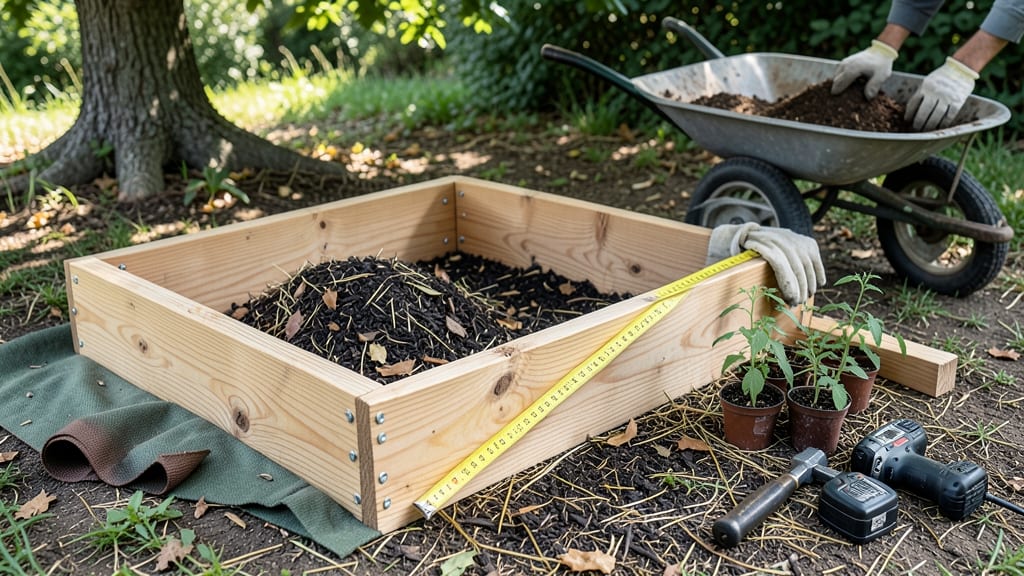
To make a cheap raised garden, use repurposed materials like untreated wood pallets, cinder blocks, or even old bricks to build the frame, then line the bottom with cardboard to block weeds. Fill with a mix of soil, compost, and yard waste for nutrient-rich planting beds at minimal cost.
Creating an affordable raised garden is all about getting creative with what you already have. 🌱 Instead of buying expensive lumber, consider sourcing free materials from local construction sites, hardware stores, or even your own backyard—think old bricks, broken concrete blocks, or scrap wood.
The key is to focus on durability and drainage while keeping costs under $50. I’ve built several beds using these methods, and the results are just as sturdy (if not more so) than store-bought kits.
Once your frame is assembled, the real magic happens in the soil mix. Cardboard at the bottom acts as a weed barrier, while layering compost and yard waste creates a nutrient-rich foundation. This approach not only saves money but also reduces waste by repurposing materials you’d otherwise discard.
The best part? You can start with just a few square feet and expand as your garden grows.
💡 In This Article
- Budget-Friendly Raised Garden Materials Breakdown
- Step-by-Step Guide to Building a Low-Cost Raised Bed
Budget-friendly raised garden materials breakdown
Untreated wood pallets are one of the most accessible options because they're often discarded after shipping goods, making them free or nearly free from local businesses. A standard pallet measures 40x48 inches and can be split into two 2-foot-wide beds, perfect for most vegetables.
The key advantage is their size—you get a large planting area without spending a dime. However, ensure pallets are heat-treated (marked "HT") to avoid toxic chemicals leaching into your soil.
Cinder blocks provide a sturdy, long-lasting frame that costs around $1-$2 per block at salvage yards. These blocks stack easily without mortar, creating a 12-inch-tall bed that improves drainage and reduces weed competition. The rough texture also helps roots grip the sides better than smooth materials.
For extra stability, interlock the blocks by offsetting each layer—this prevents shifting over time. 🌿 Another bonus is their weight, which keeps the bed from tipping in windy conditions.
Old bricks or pavers create a classic look while being surprisingly affordable. Check local demolition sites or construction zones where workers often discard perfectly good bricks for free. A single 4x8-inch brick costs pennies when sourced this way, and you can build a 4-foot-long bed using just 10-12 bricks.
The downside is their weight—you'll need help moving them. For a lighter option, consider metal edging strips (often sold in 10-foot rolls for $15-$20), which bend easily to fit curves and resist rust if galvanized.
Metal edging isn't just for aesthetics—it prevents soil erosion and keeps plants contained. Galvanized steel strips (like those used for landscape edging) last 10+ years and cost far less than wood.
The trade-off is that metal conducts heat, which can warm the soil faster in spring but may require extra mulch in hot climates. For urban gardens, metal's sleek look also makes it ideal for small spaces where visibility matters.
Always check for sharp edges before handling, especially if kids or pets will be nearby.
Don't overlook "waste" materials like broken concrete blocks or even clean wooden crates. A 6-inch-thick layer of broken concrete creates excellent drainage while adding calcium to the soil. Wooden crates from breweries or grocery stores often have 1-inch-thick walls that last years if treated with food-safe sealant.
The secret to longevity with any material is proper layering—always add landscape fabric between the frame and soil to prevent rot or blockage.
Pro tip: Combine materials for the ultimate budget build. Use cinder blocks for the corners (for stability) and fill the sides with free pallet wood scraps. This hybrid approach cuts costs by 70% while maximizing durability.
The only material you should always buy new is soil—never use contaminated dirt from unknown sources, as it can harbor diseases or pests that ruin your plants before they sprout. 💫