
Planting
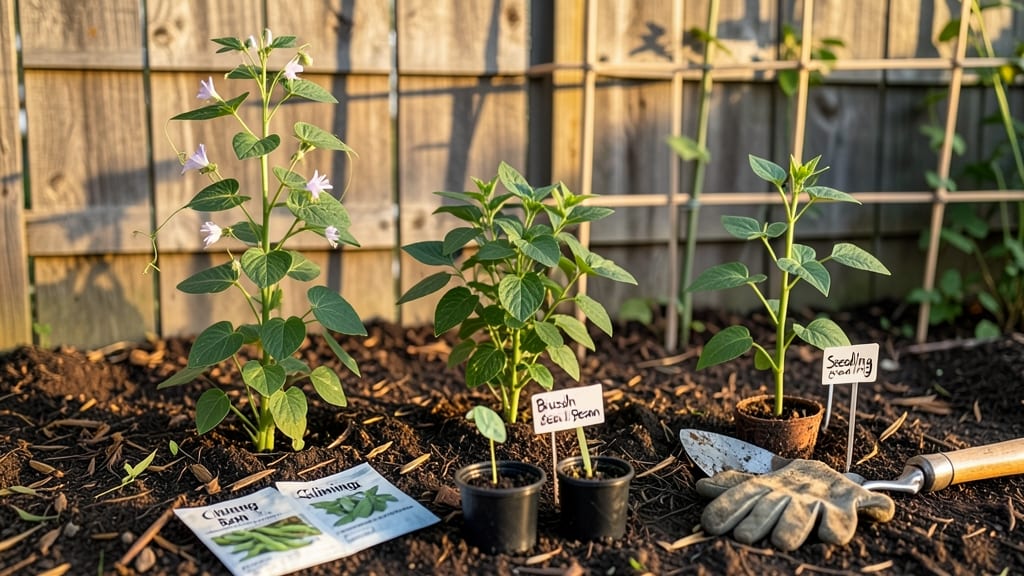
To plant string beans in a garden, start after the last frost when soil reaches 60°F—typically late April to early June in Zone 6a.
You’ve probably seen those towering vines in summer gardens, but without the right spacing and soil prep, your beans might struggle to climb—or even germinate. The secret to a bountiful harvest lies in getting these details just right.
String beans 🌱 thrive in loose, well-draining soil with full sun (at least 6 hours daily) and consistent moisture. Whether you’re planting bush or pole varieties, proper depth and spacing—1 inch deep, 2–3 inches apart—sets the stage for healthy growth.
In this guide, I’ll walk you through the exact steps for planting, watering, and caring for your beans, plus tips to extend your harvest from July through September.

Perfect planting conditions for string beans: soil, sun & timing essentials
String beans thrive when planted under the right conditions, and getting these basics right ensures your garden will be bursting with fresh, crisp pods. The key to success lies in three critical factors: soil quality, sunlight exposure, and planting timing.
These elements work together to create the perfect environment for strong germination and vigorous growth.
First, let's talk soil composition. String beans prefer well-draining soil with a slightly acidic to neutral pH range of 6.0 to 7.0. This allows roots to breathe and absorb nutrients efficiently.
If your garden soil is heavy clay or overly sandy, amending it with compost or aged manure can dramatically improve drainage and fertility. I always test my soil before planting—it's a small investment that pays off big time in harvest quality.
Next, we can't overstate the importance of sunlight requirements. String beans are sun-worshippers, needing at least 6 to 8 hours of direct sunlight daily to produce their best yield. In my experience, planting them in a south-facing location maximizes their exposure, especially in cooler climates.
If you're growing in containers, place them where they'll get full sun exposure throughout the day.
Finally, timing is everything when it comes to planting string beans. They're sensitive to frost, so you should wait until after your last spring frost date—typically mid to late May in most regions.
I always check my local frost calendar and plant when soil temperatures reach at least 60°F (15°C). This warmth ensures quick germination and strong early growth.
| Condition | Ideal Specification | Key Notes |
|---|---|---|
| Soil Type | Well-draining loam | Avoid waterlogged or compacted soil |
| pH Level | 6.0–7.0 | Test soil before planting; amend if needed |
| Sunlight | 6–8+ hours daily | South-facing spots are ideal in Northern Hemisphere |
| Soil Temp | 60°F (15°C) minimum | Use soil thermometer for accuracy |
| Planting Time | After last frost | Typically late April–early June in Zone 6 |
| Temperature Range | 70–85°F (21–29°C) | Heat above 90°F (32°C) reduces yield |
One common mistake I see is planting string beans too early, when soil is still cold. This leads to poor germination and weak seedlings. To avoid this, I always use black plastic mulch in early spring to warm the soil faster and create a more favorable environment for the seeds.
This simple trick can extend your growing season by 2–3 weeks in cooler climates.
For soil preparation, I recommend working in 2–3 inches of compost or well-rotted manure about 2 weeks before planting. This not only improves soil structure but also provides essential nutrients for early growth.
String beans are light feeders, so don't overdo it with fertilizer—they prefer leaner soil that encourages strong root development rather than lush foliage at the expense of pods.
When it comes to temperature ranges, string beans perform best in moderate climates between 70–85°F (21–29°C). Extreme heat above 90°F (32°C) can cause flowers to drop before pollination, reducing your harvest.
In hot climates, I've had success using shade cloth during peak afternoon hours to protect plants while still allowing plenty of morning sun for photosynthesis.
Timing your planting is equally critical. In most regions, the ideal window is 2–3 weeks after your last frost date. This gives the soil time to warm up while avoiding late spring frosts that can damage tender seedlings.
I always plant a few extra seeds as insurance—garden pests and unpredictable weather can take their toll, so having backups is a smart move.
For those in cooler climates, consider using row covers to extend your growing season into early fall. I've successfully grown string beans until the first frost in October by using lightweight fabric that protects plants from chilly nights while still allowing sunlight and water to pass through.
This can add an extra 4–6 weeks to your harvest season.
Remember, string beans are annuals, so they complete their life cycle in one season. By paying attention to these soil, sun, and timing factors, you'll set your plants up for success from day one.
The effort you put into preparation now will reward you with a garden full of fresh, homegrown beans all summer long. 🌱
Step-by-step guide to planting string beans with ideal spacing & depth
Planting string beans correctly is the secret to a thriving garden. Whether you're growing bush varieties or pole beans, proper spacing and depth ensure healthy plants and maximum yields.
I’ve planted string beans for years, and I can’t stress enough how critical these details are—especially if you want to avoid overcrowding or stunted growth.
String beans thrive in warm soil and need full sun exposure (6+ hours daily). The key to success lies in understanding the ideal spacing for each variety and planting them at the right depth. Let’s break it down so you can plant with confidence and enjoy a bountiful harvest.
How to Plant String Beans in a Garden
- 1 Prepare the Soil: Loosen the top 6–8 inches of soil and mix in compost or aged manure for nutrients. String beans prefer well-draining soil with a pH of 6.0–7.0.
-
2
Choose Your Method:
- For bush beans: Plant in rows or hills.
- For pole beans: Plant near trellises or tall supports.
- 3 Plant Seeds at the Right Depth: Sow seeds 1 inch deep in the soil. This depth ensures they germinate properly without rotting or drying out.
-
4
Space Seeds Correctly:
- Bush beans: 3–4 inches apart in rows 18–24 inches apart.
- Pole beans: 4–6 inches apart along trellises or supports.
- 5 Add Companion Plants: Plant marigolds or nasturtiums nearby to deter pests like bean beetles. Avoid planting near onions or garlic, as they stunt growth.
- 6 Water Gently: Keep soil moist but not soggy after planting. Use a fine spray to avoid displacing seeds until they sprout (7–14 days).
Once your string beans are in the ground, mulch around the base to retain moisture and suppress weeds. I’ve found that straw mulch works best because it breaks down slowly and adds organic matter to the soil.
This step is especially important during hot, dry spells when soil can dry out quickly.
If you’re growing pole beans, install trellises or stakes early to give vines something to climb. Pole beans produce more consistently when supported, and they save space in your garden. Just make sure the trellis is at least 6 feet tall—some varieties can grow taller than you think!
Finally, remember that consistent care pays off. String beans are low-maintenance, but they reward attentive gardeners with abundant harvests if planted correctly. With the right spacing, depth, and a little patience, you’ll be picking fresh pods in no time—ready to enjoy straight from the garden! 🌱