
Tools
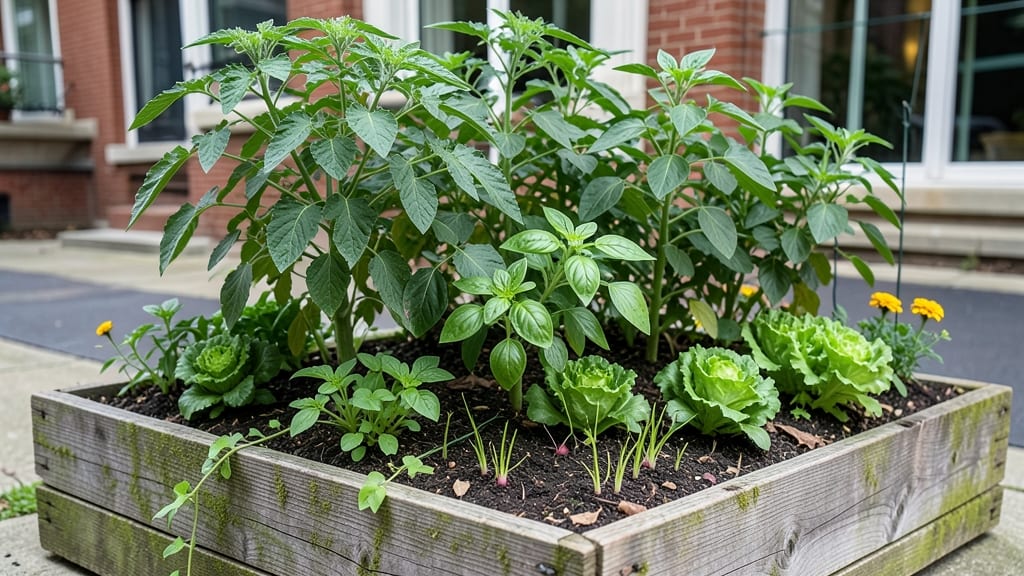
An illegal front yard vegetable garden can trigger fines or forced removal since most cities require permits, proper zoning, or adherence to setback rules for residential properties. Always verify local agricultural regulations before planting.
City ordinances often treat front yard vegetable gardens as commercial or agricultural activity, even if you're growing food for personal use. 🌱 Many municipalities classify them as land use violations because they can alter property aesthetics, block visibility, or violate HOA covenants.
For example, some cities mandate that all gardening occur in the backyard unless you obtain a special agricultural exemption—something that's rarely granted for residential properties. The consequences can range from warnings to hefty fines, depending on how flagrant the violation appears.
That said, there are legal ways to grow vegetables in restricted areas. Many cities allow raised beds or container gardening in front yards as long as they don't exceed certain height or size limits. Some neighborhoods also permit small ornamental gardens if they're designed to look more decorative than productive.
If you're determined to grow your own produce, I recommend checking with your local planning department first—they can point you toward specific exemptions or permit processes that might work for your situation.
💡 In This Article
- Common City Laws Restricting Front Yard Vegetable Gardens
- How to Legally Grow Vegetables in Restricted Areas
Common city laws restricting front yard vegetable gardens
Most cities regulate front yard vegetable gardens through zoning ordinances designed to maintain property aesthetics and neighborhood uniformity. These laws often classify gardening as a form of land use that requires commercial or agricultural zoning—something residential properties typically don't qualify for.
For example, in cities like Los Angeles, front yard gardens must comply with the Los Angeles Municipal Code Section 12.24, which mandates that all non-residential plantings (including edible gardens) must be approved through a conditional use permit.
The science behind these restrictions stems from urban planning principles. Vegetable gardens can obstruct pedestrian visibility, create maintenance burdens for public infrastructure, or alter the intended "curb appeal" of residential areas.
Many ordinances also enforce setback rules, requiring plants to stay at least 5 feet from property lines—something that's nearly impossible with traditional in-ground vegetable plots. 🌿 In suburban neighborhoods, Homeowners Associations (HOAs) often enforce even stricter rules, sometimes prohibiting any front yard gardening unless it's purely ornamental.
Another key factor is how cities classify agricultural activity. Even if you're growing food for personal consumption, municipal codes may treat it as a commercial enterprise if the garden exceeds 250 square feet or produces more than what's considered "reasonable" for a household.
For instance, Chicago's Zoning Ordinance Chapter 13 requires agricultural operations (including vegetable gardens) to register with the city, regardless of scale. This creates a bureaucratic hurdle that most homeowners aren't aware of until they receive a violation notice.
Property line violations are another common issue. Many ordinances prohibit planting within 3 feet of sidewalks or streets to prevent obstruction of utility access. This means even small raised beds near the curb could trigger inspections.
The enforcement varies by city—some take a hands-off approach, while others in high-density areas (like New York City) actively patrol for violations, citing fines up to $500 for repeated offenses.
What most people don't realize is that these laws often stem from historical contexts. During the early 20th century, many cities passed ordinances to prevent "eyesores" and maintain property values. Today, even as urban farming gains popularity, older regulations persist because they're tied to broader land-use policies.
For example, Atlanta's Code Section 25-10 explicitly states that front yard gardens must be "compatible with the character of the neighborhood," leaving interpretation up to city inspectors.
Consider these key factors when evaluating local restrictions:
- Zoning classification: Check if your property is zoned residential (R-1, R-2) or mixed-use (RM)
- HOA covenants: Review your neighborhood's rules—some ban all front yard gardening
- Setback requirements: Measure distances from property lines, sidewalks, and streets
- Agricultural exemptions: Some cities allow exemptions for "subsistence farming" with permits
Understanding these nuances can save you from costly mistakes. Always start with a pre-application meeting at your city's planning department—they can clarify gray areas before you plant a single seed. 💫