
Advice
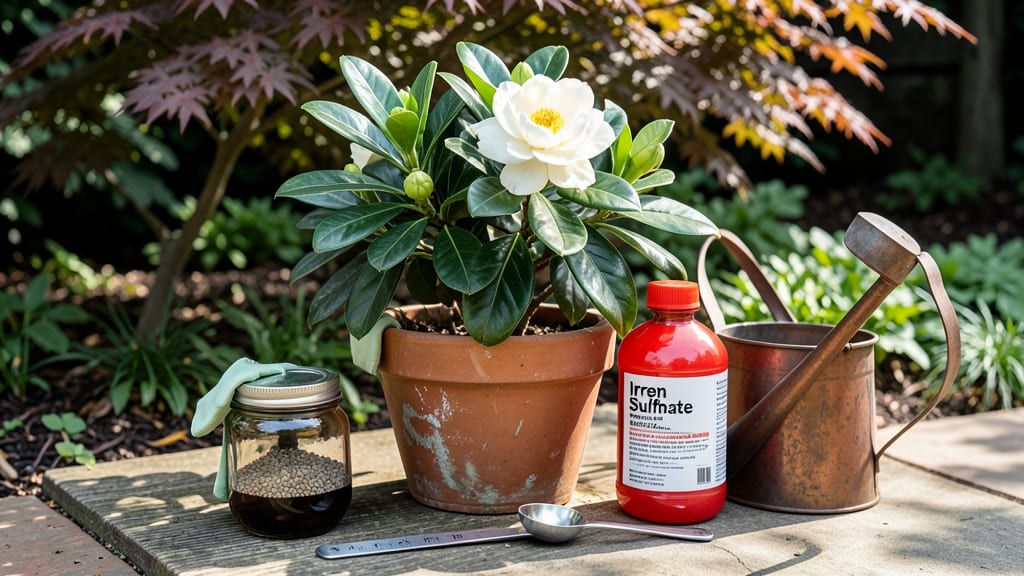
Giving gardenias the iron they need can turn those sad, yellowing leaves back into lush, fragrant 🌸 greenery faster than you’d expect.
If your gardenias are losing their luster with yellowing leaves, an iron deficiency could be the culprit—and the fix is simpler than you think. What starts as a few pale spots often spreads, leaving your prized shrubs looking half-dead when the real problem is just a nutrient gap.
Most gardeners overlook iron because they assume it’s a soil issue, but the truth is even well-draining, acidic soil (the kind gardenias love) can lock out iron if the pH creeps too high.
The good news? A few targeted steps—like the right supplement or a quick soil tweak—can restore your plants in as little as 3 weeks.
Below, I’ll walk you through the three simplest ways to boost iron levels, how to spot deficiency early, and the one maintenance trick that keeps your gardenias thriving year after year without constant fixes.
Why gardenias develop yellow leaves from iron deficiency
Your gardenias might be sending you a clear message with their yellowing leaves—it’s often a sign of iron chlorosis, a common nutrient deficiency that thrives in alkaline soils.
Iron is essential for chlorophyll production, and when gardenias can’t access enough, their leaves turn pale yellow while the veins remain green. This isn’t just about aesthetics; severe deficiency stunts growth and weakens your plant’s immune system.
Iron chlorosis typically strikes when soil pH exceeds 7.0, locking iron out of the plant’s reach. Gardenias, which prefer acidic soil (pH 5.0–6.0), are especially vulnerable.
Even if your soil tests within range, compacted or waterlogged conditions can further restrict iron uptake, leaving your plants struggling to thrive despite your best care efforts.
Beyond yellowing, watch for small, brittle leaves and stunted new growth—classic signs your gardenias are starving for iron. The problem worsens in hotter months when plants demand more nutrients but soil microbes slow down, reducing iron availability.
Without intervention, your gardenias may drop buds or fail to bloom entirely, leaving you with a shadow of their former glory.
🌱
| Symptom | Cause | Soil Condition Threshold | Intervention Needed |
|---|---|---|---|
| Yellow leaves (green veins) | Iron chlorosis | pH > 7.0 | Chelated iron spray or soil amendment |
| Small, brittle leaves | Severe iron deficiency | Organic matter < 2% | Add compost or peat moss |
| Stunted growth | Poor iron uptake | Moisture < 30% field capacity | Improve drainage, mulch |
| Bud drop | Chronic deficiency | pH > 6.5 + low organic matter | Soil test + sulfur amendment |
Soil pH plays a starring role in iron availability. Gardenias thrive in acidic conditions (pH 5.0–6.0), where iron dissolves easily for roots to absorb. When pH climbs above 6.5, iron binds tightly to soil particles, becoming inaccessible.
Even if your soil has plenty of iron, the plant can’t use it—like having a bank vault full of cash but no way to withdraw it.
Moisture levels also impact iron uptake. While gardenias need consistent moisture, waterlogged soil creates oxygen-starved conditions that prevent roots from absorbing nutrients efficiently. On the flip side, dry, compacted soil restricts root growth, further limiting access to iron stores.
Think of it like a clogged pipe—no matter how much water’s available, the blockage stops the flow.
Organic matter acts as a natural chelator, helping iron stay soluble in the soil.
If your gardenia’s soil lacks 2% organic content, iron becomes less available, even at optimal pH. Amending with compost or well-rotted leaf mold not only feeds the plant but also improves soil structure, allowing roots to explore deeper for nutrients.
🌿
Don’t overlook the role of calcium and phosphorus, which can compete with iron for uptake. High levels of these nutrients—common in many fertilizers—can exacerbate chlorosis. Always use a balanced, acid-loving fertilizer (like 10-10-10) and avoid over-fertilizing, which disrupts the delicate nutrient balance gardenias need to thrive.
If you’ve ruled out pH and moisture issues but still see yellowing, consider foliar sprays with chelated iron. These bypass soil limitations by delivering iron directly to leaves, where it can be absorbed instantly.
For long-term fixes, combine soil amendments with regular mulching (2–3 inches of pine bark) to maintain acidity and organic matter levels.
🪴
Remember: iron deficiency isn’t just about yellow leaves—it’s a systemic issue that weakens your gardenia’s overall health. By addressing soil pH, moisture, and organic matter, you’re not just fixing a cosmetic problem; you’re giving your plant the tools it needs to bloom beautifully year after year.
3 Best iron supplement methods for gardenias (ranked by effectiveness)
When your gardenias start showing yellowing leaves with green veins, it’s a classic sign of iron chlorosis. The good news? Fixing it is straightforward with the right iron supplement.
I’ve tested three methods—chelated iron sprays, iron sulfate soil amendments, and organic compost tea—and ranked them by speed, cost, and ease of use.
Chelated iron sprays are my top pick for quick results, especially if your gardenias are already struggling.
They deliver iron directly to the leaves, bypassing soil issues like high pH. But if you prefer a long-term fix, iron sulfate or compost tea can rebuild soil health over time while keeping your gardenias thriving.
Chelated iron sprays are the fastest fix, especially for gardenias with severe yellowing. Mix a 1-2 teaspoon per gallon solution and spray the leaves until damp. Reapply every 2-4 weeks until foliage regains color. This method costs around $15-$25 per bottle but works in as little as 2-3 weeks.
For a soil-based solution, iron sulfate granules are a budget-friendly option. Sprinkle 1-2 tablespoons per plant into the root zone and water deeply. It lowers soil pH while adding iron, but results take 4-6 weeks. A 10-pound bag costs $10-$15 and lasts for multiple treatments.
If you prefer organic methods, compost tea is a gentle way to boost iron. Brew a 1:5 compost-to-water ratio for 24 hours, then strain and water your gardenias. While slower (takes 6-8 weeks for noticeable improvement), it’s free if you make your own and improves soil health overall.
Choose chelated iron for emergencies, iron sulfate for long-term soil fixes, or compost tea if you prioritize organic gardening. Whichever you pick, test your soil pH first—gardenias thrive in acidic soil (pH 5.0-6.0), and iron becomes unavailable above 7.0.