
Tools
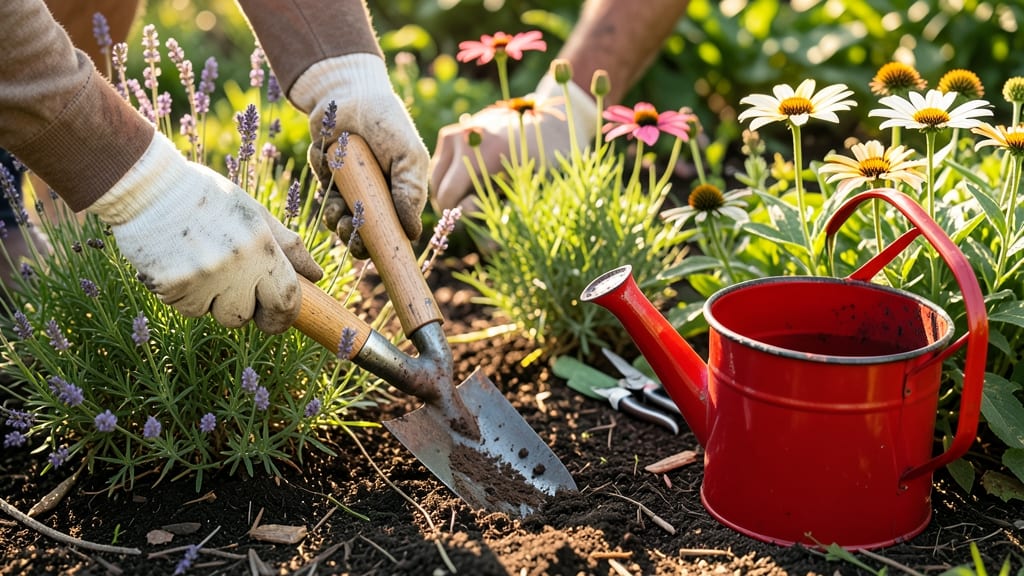
Gardening counts as good exercise because it torches 200–400 calories per hour, builds muscle strength through tasks like digging and lifting, and improves flexibility while keeping your heart rate elevated through continuous motion.
This outdoor activity combines cardio and strength training without feeling like a workout. 🌱 For example, pulling weeds engages your core and shoulders, while hauling bags of soil targets your legs and back.
Even light tasks like pruning can boost endurance over time. What sets gardening apart is how it sneaks in physical benefits while you're focused on plants—no gym required!
Research shows that 30 minutes of moderate gardening can match the calorie burn of brisk walking, but with added resistance from tools and soil. The repetitive motions also improve coordination and joint mobility, making it ideal for all fitness levels.
Plus, the fresh air and sunlight add mental health perks that most workouts can't match.
💡 In This Article
- How Gardening Engages Multiple Muscle Groups
- Calorie Burn Rates by Common Gardening Activities
How gardening engages multiple muscle groups
Gardening transforms your yard into a full-body workout by activating muscles you might not even realize you're using.
When you bend to plant seeds or pull weeds, your core stabilizers (like the obliques and lower back) engage to maintain balance, similar to how planks work but in a dynamic, real-world motion.
The repetitive bending also stretches your hamstrings and hip flexors, improving flexibility over time—something static stretches alone can't match.
Your legs and glutes take center stage during squatting motions, whether you're kneeling in soil or lifting heavy pots. Studies show that tasks like digging or shoveling can generate force equivalent to 5-10% of your body weight per repetition, effectively building strength without the joint stress of heavy lifting.
Meanwhile, pruning and raking demand shoulder stability and grip endurance, working your forearms and upper back in ways that mimic resistance band exercises.
The beauty of gardening's muscle engagement is its low-impact nature. Unlike running or weightlifting, which can stress joints, gardening's varied movements distribute force across multiple muscle groups while protecting your knees and ankles.
For example, pushing a wheelbarrow engages your quads and core while your arms handle the load—creating a compound movement that's harder to replicate in a gym setting.
Consider how raking leaves mimics the motion of a rowing machine, working your back extensors, lats, and even your calves as you shift your weight.
The resistance comes from the tool's weight and the friction of leaves against the rake, providing progressive overload as you increase speed or leaf volume. This is why gardeners often notice improved posture over time—their muscles adapt to maintain proper alignment during these varied tasks.
What most people overlook is how breathing patterns change during gardening. The deep inhales and controlled exhales required for heavy lifting (like moving mulch bags) engage your diaphragm and intercostal muscles, enhancing lung capacity.
This diaphragmatic breathing also reduces stress hormones, creating a win-win for both physical and mental fitness.
For those new to gardening, starting with light tasks like potting plants (which burns ~150-200 kcal/hr) builds confidence before progressing to more demanding activities. The key is maintaining proper form—keeping your back straight when lifting and using your legs to push rather than your arms to pull.
This approach prevents injury while maximizing muscle activation.
Think of your garden as a functional fitness playground. Every tool becomes a resistance device, every plant bed a squat rack, and every season a new challenge. The variety keeps your muscles guessing, preventing plateaus that plague traditional workouts. 🌱