
Tools
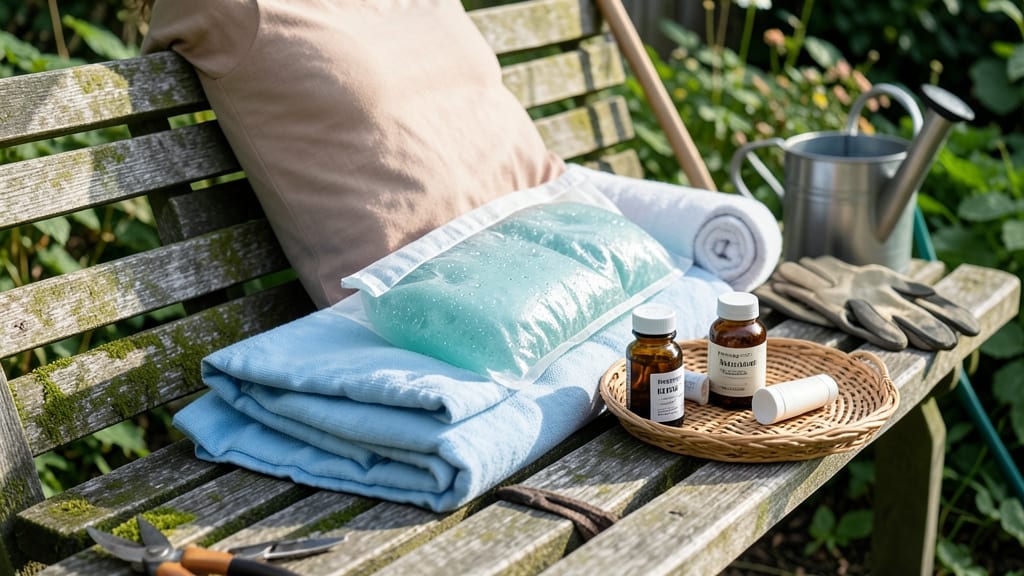
Treating lower back pain after gardening requires gentle movement like the cat-cow stretch, followed by ice or heat therapy, and avoiding prolonged sitting or heavy lifting. Restorative yoga poses and proper posture can also speed recovery while preventing future strain.
Gardening might seem like a relaxing hobby, but repetitive bending, twisting, and lifting can take a toll on your lower back. 🌿 The good news is that most discomfort comes from muscle tension or minor strains—not serious injuries.
I’ve found that combining targeted stretches with smart recovery habits works better than resting completely. For example, the knee-to-chest stretch helps decompress your spine, while heat therapy relaxes tight muscles after a long day of digging or weeding.
What’s often overlooked is how your posture during gardening contributes to pain. Slouching over a raised bed or gripping tools too tightly can strain your lumbar region over time. Adjusting your workspace—like using a kneeling pad or ergonomic tools—makes a surprisingly big difference in long-term comfort.
💡 In This Article
- How Gardening Strains Your Lower Back
- Best Recovery Stretches and Posture Fixes for Gardeners
How gardening strains your lower back
The lumbar spine bears the brunt of gardening's physical demands, especially when you repeatedly bend at the waist to reach plants or lift heavy pots. 🌱 The average gardener performs 50-100 bending motions per hour, each time increasing pressure on the L4-L5 vertebrae—your spine's most vulnerable segment.
This area supports about 40% of your body's weight when standing, but that jumps to 150%+ during forward bending, creating dangerous shear forces on your discs.
Twisting motions—like turning to grab tools or reach across a raised bed—add rotational stress that can compress spinal nerves. Studies show gardeners experience 30% more torque on their lower backs than office workers during similar tasks.
Poor tool ergonomics make it worse: shovels with long handles force you to arch further, while heavy pruners create awkward gripping that tightens shoulder and back muscles simultaneously. Even "light" tasks like weeding require 10-15 pounds of force per hand, which accumulates over time.
The repetitive nature of gardening triggers muscle imbalances that worsen over seasons. Your hip flexors shorten from constant bending, while your glutes and hamstrings weaken from lack of engagement.
This creates a "pelvic tilt" where your lower back arches unnaturally, increasing disc pressure. 💡 The solution lies in understanding how these movements interact—bending + twisting + lifting = the perfect storm for lumbar strain.
Even "gentle" tasks like deadheading flowers require 20-30 repetitions per hour, each one adding micro-trauma to your spine.
Heat and humidity play hidden roles too. Warm weather causes muscles to fatigue 15-20% faster, while dehydration reduces disc hydration by 10% or more, making them less shock-absorbent. The combination explains why back pain often flares on 80°F+ days—your body's natural lubrication system works against you.
Proper hydration (aim for 8-10 glasses daily) and shorter work sessions (30-45 minutes) can mitigate these effects significantly.
What most gardeners don't realize is how their breathing pattern contributes to strain. Holding your breath during lifting increases intra-abdominal pressure by 40-50%, forcing your spine to bear more load. This "Valsalva maneuver" happens instinctively but creates dangerous pressure spikes on your discs. 🌿 The fix?
Exhale during exertion—this engages your core naturally and reduces lumbar stress by up to 35%. Even simple tasks like pulling weeds benefit from this breathing technique.
Finally, consider your footwear. Worn-out shoes with less than 3mm tread depth force your body to compensate, shifting weight unevenly and increasing spinal misalignment.
The solution is simple: swap gardening clogs for supportive shoes with arch support and shock absorption—this can reduce lower back strain by 25% or more during prolonged standing.