
Tools
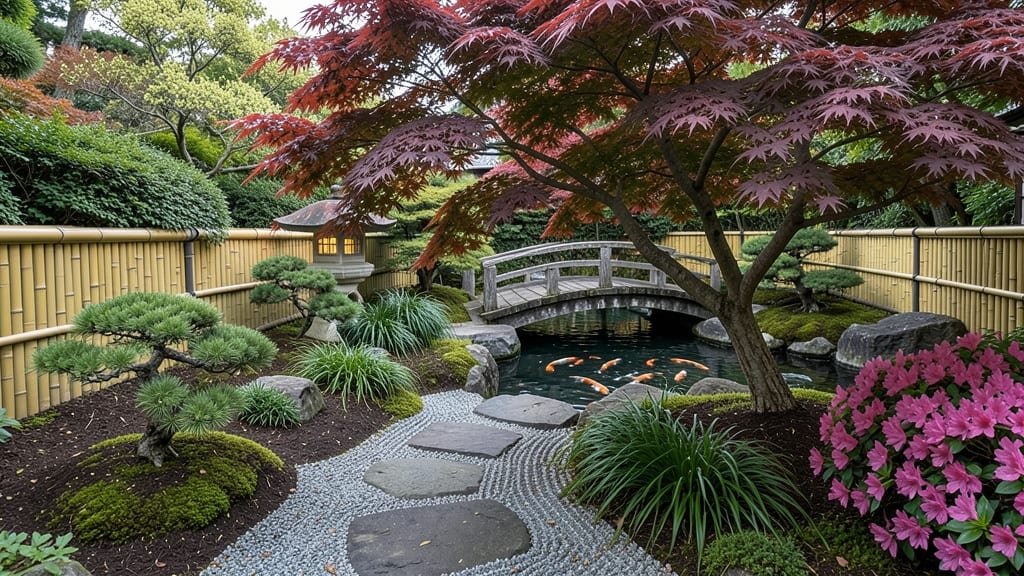
Japanese gardens on Staten Island provide tranquil retreats through thoughtfully arranged landscapes with koi ponds, bamboo groves, and native trees like maples and azaleas. Snug Harbor Cultural Center’s Japanese Garden is especially renowned for its cherry blossoms and peaceful walking paths available year-round.
The Staten Island Japanese Garden stands out as a local treasure blending traditional design with accessible nature. 🌿 These landscaped areas emphasize harmony with nature through carefully placed stones, flowing water features, and seasonal plantings that change with the weather.
Unlike larger city gardens, Staten Island’s versions offer a more intimate experience, perfect for quiet reflection or family outings.
What makes these gardens unique is their seasonal transformation. Spring brings vibrant cherry blossoms, while autumn showcases fiery maple leaves and delicate camellias. The Snug Harbor location, in particular, hosts cultural events like tea ceremonies that deepen your connection to Japanese traditions.
For visitors, this means you can experience both the beauty of the garden and its cultural significance in one trip.
💡 In This Article
- Design Principles Behind Staten Island’s Japanese Gardens
- Best Times to Visit Staten Island’s Japanese Gardens
Design principles behind Staten Island’s Japanese gardens
At the heart of Staten Island’s Japanese gardens lies the philosophy of wabi-sabi—a celebration of imperfection, impermanence, and simplicity. This concept is woven into every element, from the irregularly shaped stones to the asymmetrical plantings.
Unlike Western gardens that often emphasize symmetry, Japanese gardens embrace natural irregularities, creating spaces that feel organic and alive. For example, the Snug Harbor garden’s koi ponds use naturalistic curves rather than geometric shapes, mirroring how water would flow in nature.
The gardens also incorporate deep symbolism through water features. In traditional Japanese design, water represents life, purity, and the flow of time. At Snug Harbor, the pond’s gentle cascades aren’t just decorative—they’re carefully engineered to create soothing sounds that mask urban noise.
The garden’s bamboo groves, with their towering canes reaching up to 20-30 feet, provide both shade and a rhythmic rustling that enhances the meditative atmosphere. 🌿 The strategic placement of these elements creates "borrowed scenery," where distant views become part of the garden experience, a technique called shakkei.
Plant selection follows strict seasonal principles to ensure year-round interest. Spring brings delicate cherry blossoms (sakura) that bloom for just 1-2 weeks, while summer features wisteria vines with fragrant 6-inch-long flowers. Autumn transforms the garden with fiery maple leaves and camellias that bloom in cool weather.
Even winter isn’t neglected—bare branches of pruned trees create striking silhouettes against snow. This careful layering ensures visitors always discover something new, whether it’s the first cherry blossoms in April or the last camellia flowers in December.
What makes Staten Island’s gardens unique is their adaptation to local climate. While traditional Japanese gardens often use species like pine and bamboo native to Japan’s temperate regions, Staten Island’s versions incorporate hardy North American plants such as azaleas and serviceberry.
This hybrid approach maintains authenticity while ensuring the gardens thrive in Staten Island’s humid subtropical climate with hot summers and cold winters. The result is a garden that feels both familiar and exotic—a perfect blend of cultural heritage and local environment.
Another standout feature is the use of karesansui (dry landscape) techniques in some areas. These minimalist rock gardens use carefully placed stones to represent mountains, water, and islands, creating meditative spaces without plants.
At Snug Harbor, you’ll find these areas alongside lush plantings, offering visitors a choice between active exploration and quiet contemplation. The contrast between these elements demonstrates how Japanese garden design balances nature and human intervention.
For those curious about the cultural significance, many elements have hidden meanings. For instance, the five stones often placed in ponds represent the five sacred mountains of Japan, while the bridge crossing the koi pond symbolizes transition and connection.
These details invite closer observation, rewarding visitors who take time to notice the subtle stories embedded in every pathway and plant. 💫