
Planting
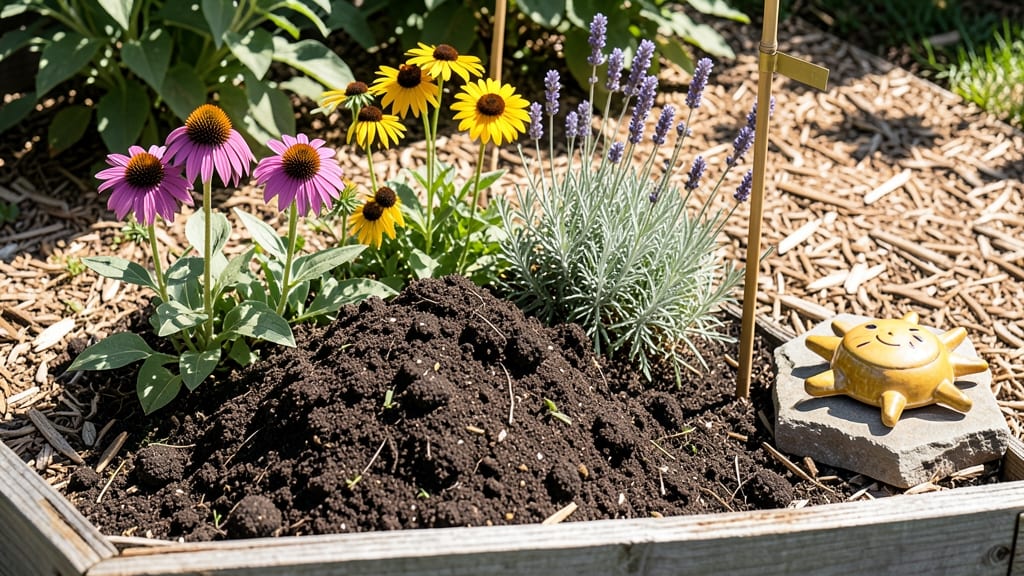
Kansas gardening zones span 5a to 7b, with most areas landing in 6a-6b, creating ideal conditions for hardy perennials like black-eyed Susans and fruit trees such as apple and pear varieties. Warmer southern counties can support tropical plants with seasonal adjustments, while northern regions benefit from extended growing seasons for cool-season crops.
Understanding your specific Kansas gardening zone is key because it determines what plants will thrive without extra care. The state's diverse climate—from the cooler eastern plains to the drier western regions—means your exact location affects everything from bloom times to winter survival.
For example, zone 5a in northern counties like Sherman requires more frost protection, while zone 7b in the southeast allows for year-round planting of Mediterranean herbs. The USDA map breaks these zones down to 10°F increments, so even a small county can have microclimates worth exploring. 🌱
Pro tip: Use the Kansas State University Extension resources to find county-specific frost dates, which can shift your planting schedule by weeks. For instance, Johnson County (zone 6a) typically sees its last frost around April 15, while Sedgwick County (zone 6b) may wait until May 1.
This timing difference matters for heat-loving crops like tomatoes and peppers, which need consistent warm soil to germinate properly.
💡 In This Article
- How Kansas Gardening Zones Affect Plant Selection
- County-Specific Kansas Gardening Tips by Zone
How Kansas gardening zones affect plant selection
The USDA Plant Hardiness Zone Map divides Kansas into five distinct zones (5a-7b), each representing a 10°F temperature range that dictates which plants can survive winter.
For example, zone 5a (northern Kansas) experiences average minimum temperatures of -20°F to -15°F, while zone 7b (southeastern Kansas) stays above 5°F to 10°F.
This 25°F difference means a plant like the Russian olive tree (hardy to -30°F) thrives in zone 5a, while a lemon tree (hardy to 20°F) needs winter protection in zone 6b. The transition between zones isn’t always smooth—some counties straddle two zones, creating microclimates where urban areas (like Topeka) may be 2-3°F warmer than rural fields due to heat absorption from buildings. 🌡️
Last frost dates are another critical factor, shifting by weeks across Kansas. In zone 5a, the last spring frost typically arrives around May 10, while zone 7b sees its final frost by April 15—a 25-day difference that affects planting schedules.
Cool-season crops like broccoli and peas should be sown 4-6 weeks before the last frost, but in zone 5a, this means starting seeds indoors by March 1, whereas zone 7b gardeners can direct-sow in early February.
Conversely, warm-season crops like tomatoes and peppers need soil temperatures above 55°F to germinate, so zone 5a gardeners often wait until mid-May, while zone 7b can plant by early April.
Perennials like coneflowers (Echinacea) and black-eyed Susans dominate Kansas gardens because they’re hardy to zone 3, meaning they survive even the coldest winters. However, tender perennials such as lavender (zone 5) or rosemary (zone 7) require seasonal adjustments—mulching in fall or bringing pots indoors during freezes.
Trees are another story: apple and pear varieties (zone 4-8) thrive statewide, but figs (zone 7-10) need winter protection in zones 5-6.
The key is matching plant hardiness ratings to your zone, then adjusting for microclimates—like a south-facing wall that adds 5-10°F of warmth to a zone 5a garden. 🌿
Vegetable success depends on both zone and daylength sensitivity.
For instance, determinate tomato varieties (like 'Celebrity') ripen faster in zone 7b’s longer growing season, while indeterminate types (like 'Sungold') need staking and extra time in zone 5a. Similarly, squash and cucumbers bolt (flower prematurely) in zone 6a’s shorter summer, so gardeners there often use row covers to extend the season.
Even soil type plays a role: clay-heavy zones (common in eastern Kansas) drain poorly, so raised beds improve root health for moisture-sensitive plants like asparagus and rhubarb.
For trees and shrubs, dormancy timing matters just as much as cold tolerance. Spring-blooming trees (like redbud or dogwood) risk frost damage if buds open too early, while fall-blooming varieties (like Japanese maple) avoid late-season freezes.
In zone 6a, gardeners often prune spring bloomers in summer to prevent winter dieback, whereas zone 7b allows more flexibility. The takeaway? Kansas’s zones aren’t just about cold—they’re a puzzle of frost dates, soil conditions, and plant life cycles that determine what will thrive with minimal fuss. 🌳
Pro tip: Use the Kansas State University Extension’s interactive map to overlay your county’s zone with local frost data—this reveals hidden patterns, like how Chase County (zone 6a) has a 14-day later frost than neighboring Rice County (also 6a) due to elevation differences.
These nuances turn gardening from guesswork into precision planning.