
Pests
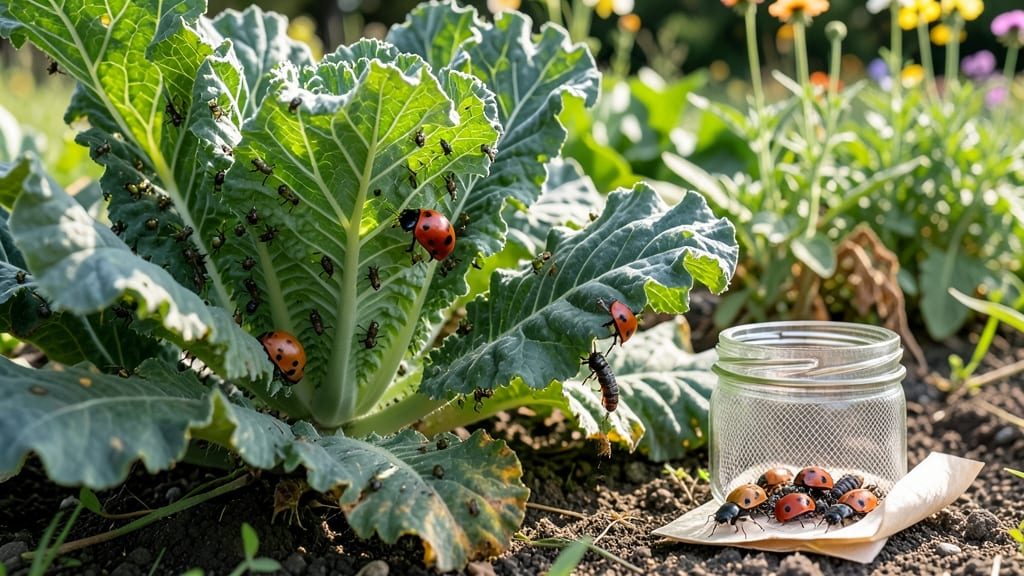
Using ladybugs for garden pest control means harnessing their appetite for aphids, mites, and soft-bodied insects to naturally reduce pests while eliminating the need for harsh chemicals. For the best results, release them during early morning or evening hours when temperatures are mild.
Ladybugs are nature's pest control specialists, capable of consuming 5,000 aphids or mites per week during their adult stage. 🔥 Their secret weapon? A keen sense of smell that detects prey from up to 3 feet away, making them incredibly efficient garden allies.
Unlike chemical pesticides, they target only soft-bodied insects, leaving beneficial pollinators like bees unharmed. The key to success lies in creating a welcoming environment—provide shallow water sources (like damp sponges) and shelter options to keep them around longer.
When introducing ladybugs, timing matters most. Purchase them as eggs or adults from reputable suppliers and release them before noon to avoid heat stress. Avoid using pesticides even days before their arrival, as chemical residues can harm or repel them.
For best results, focus on gardens with high aphid activity, like roses or vegetable plants, where they'll find plenty of meals. Their effectiveness peaks in spring and summer, aligning with most pest outbreaks.
💡 In This Article
- How Ladybugs Hunt and Consume Garden Pests
- Best Ways to Introduce Ladybugs to Your Garden
How ladybugs hunt and consume garden pests
Ladybugs are equipped with sensory superpowers that make them elite pest hunters. Their compound eyes detect movement with incredible precision, while specialized antennae pick up chemical cues from prey like aphids.
When they spot a meal, they use their strong mandibles to pierce soft-bodied insects, injecting enzymes that liquefy the insides before sucking out the nutrients. An adult can consume 5,000 aphids or mites per week, making them 10x more efficient than many natural predators at their size.
Their hunting strategy varies by pest type. For aphids, they use a "trap-and-hold" technique, grabbing them with their front legs before consuming them head-first.
With spider mites, they employ a different approach, using their legs to stabilize the tiny prey while injecting digestive enzymes. 🔥 This adaptability makes them effective against over 400 different insect species, including mealybugs and whiteflies, which are common garden nuisances.
Their efficiency peaks in temperatures between 50-80°F, with activity slowing below 50°F and stopping entirely below 40°F.
What makes ladybugs particularly valuable is their selective diet. Unlike broad-spectrum pesticides that harm all insects, ladybugs focus exclusively on soft-bodied pests, leaving beneficial pollinators like bees and hoverflies untouched. This precision allows gardeners to maintain ecological balance while still controlling destructive pests.
Their presence also triggers a behavioral response in some plants, which release volatile compounds that attract even more ladybugs—a natural feedback loop that amplifies their pest-control benefits.
Their hunting success depends heavily on garden conditions. Ladybugs prefer environments with abundant prey and minimal wind exposure, which is why they're often found in dense foliage like roses, vegetables, and fruit trees.
In open fields, they may struggle to locate prey efficiently. 💫 Another fascinating adaptation is their ability to enter diapause—a state of suspended animation—when food becomes scarce, allowing them to survive through winter and emerge when pests reappear in spring.
When comparing ladybugs to other biological controls, they outperform many alternatives in terms of speed and scale. For example, while parasitic wasps target specific hosts, ladybugs provide broad-spectrum control. Their mobility also gives them an edge over stationary predators like ground beetles.
The key limitation is their preference for certain plant types—some gardeners report better results with ladybugs in vegetable gardens than in ornamental flower beds, where pest populations may be more scattered.
To maximize their effectiveness, consider planting companion flowers like dill, fennel, and marigolds, which attract ladybugs naturally. These plants provide both nectar and shelter, creating an ecosystem that keeps ladybug populations thriving year-round.
The visual contrast of bright flowers against green foliage also makes it easier for gardeners to spot and monitor ladybug activity.