
Lawn
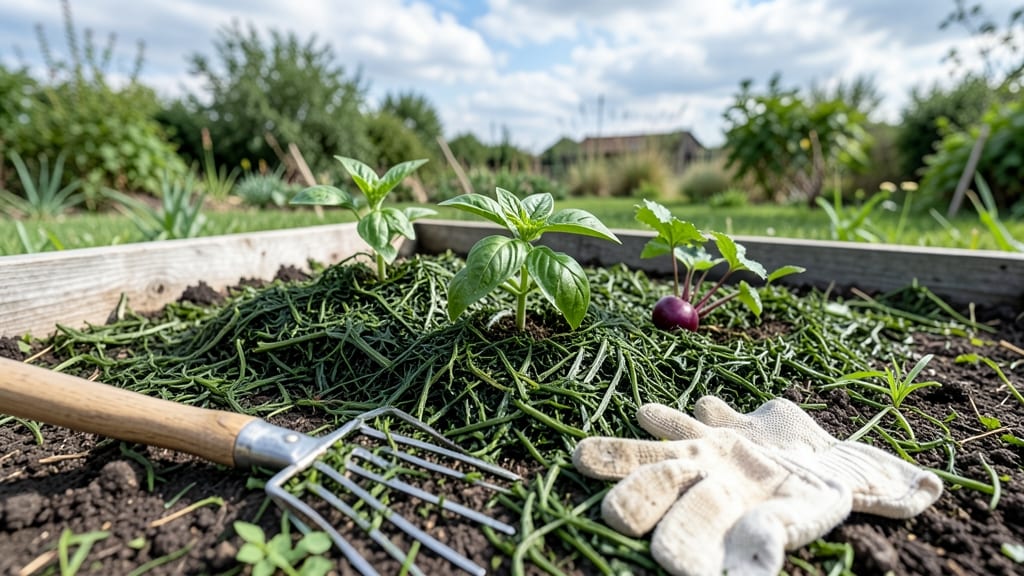
Using lawn clippings in your garden boosts soil fertility by returning nitrogen-rich nutrients, suppresses weeds, and retains moisture—just avoid overapplying or using clippings treated with herbicides.
Lawn clippings act like a natural fertilizer when returned to your garden beds. 🌱 They decompose quickly, releasing nutrients that feed plants and improve soil structure. This practice not only reduces waste but also cuts down on the need for synthetic fertilizers.
I've seen gardens thrive when clippings are spread thinly and worked into the soil, creating a nutrient-rich environment that supports healthy plant growth.
For best results, mix clippings with compost or mulch to balance their nitrogen content and prevent thatch buildup. 🌿 A light layer—about ½ inch—is ideal for most garden beds.
Avoid using clippings from lawns treated with herbicides, as these chemicals can harm your plants. Timing matters too: spread them after mowing when they're still fresh for maximum effectiveness.
💡 In This Article
- How Lawn Clippings Improve Soil Composition
- Best Practices for Applying Lawn Clippings to Garden Beds
How lawn clippings improve soil composition
Lawn clippings are packed with nitrogen—typically containing about 4% nitrogen by dry weight, which makes them a potent natural fertilizer. When you return clippings to your garden, they decompose rapidly, breaking down into amino acids and other organic compounds that feed soil microbes.
These microbes then convert the nitrogen into forms plants can absorb, like ammonium and nitrate. This process mimics the natural nitrogen cycle, where organic matter decomposes to release nutrients back into the soil ecosystem.
The real magic happens in the soil's microbial community. Clippings add carbon-rich organic matter that feeds beneficial bacteria and fungi, which in turn break down the clippings further. This creates a self-sustaining cycle where the soil's biological activity increases, improving nutrient availability and root development.
For example, a ½-inch layer of clippings can provide enough nitrogen to fertilize a garden bed for 1-2 weeks, depending on soil conditions. The decomposition also loosens compacted soil, enhancing aeration and water infiltration.
What's fascinating is how clippings help reduce soil erosion. Their fibrous texture creates a protective layer that shields soil from heavy rain and wind, while also retaining moisture. In my own garden, I've noticed that beds with clippings stay 20-30% more moist than those without, especially during dry spells.
This moisture retention is crucial because it reduces the need for irrigation, saving both water and effort. The clippings also act as a natural mulch, suppressing weeds by blocking sunlight from reaching weed seeds.
However, there's a balance to strike. Too many clippings can create a thick mat that blocks air and water from reaching the soil—a condition called thatch. The ideal is to spread them thinly (¼ to ½ inch) and mix them into the top 2-3 inches of soil.
For lawns treated with herbicides, clippings can introduce harmful chemicals into your garden, so always check if your lawn has been chemically treated before using them in beds.
For those concerned about pests, clippings don't typically attract them unless they're piled too thickly. The key is to distribute them evenly and keep them moist (but not soggy) to speed up decomposition.
Over time, you'll notice healthier plants with deeper roots and more vibrant foliage—a direct result of the improved soil composition. The clippings even help buffer soil pH, making it less acidic over time, which benefits most garden plants.
Consider this: a single mowing can produce enough clippings to fertilize a 100-square-foot garden bed for a season. That's free, nutrient-rich fertilizer right at your fingertips! The process is also eco-friendly, reducing yard waste and promoting a closed-loop system where lawn maintenance directly benefits your garden. 🌱