
Tools
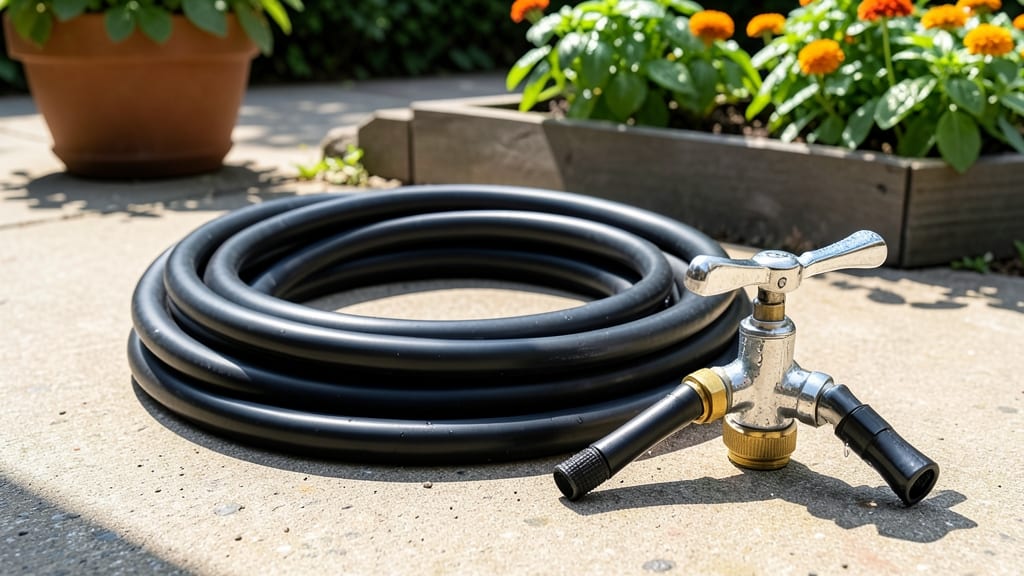
Detecting lead in garden hose requires checking for metallic-tasting water or rusty discoloration, then confirming with a lead test kit or lab testing. If contaminated, flush the hose for 30 seconds before use, replace old rubber hoses, and install a certified lead-reduction filter.
Older garden hoses—especially those with brass fittings or rubber connectors—often contain lead solder or additives that leach into water over time. 🔥 The risk is highest with hoses over 5 years old, particularly if you notice a strange taste or cloudy water.
Children and pets are most vulnerable because their smaller bodies absorb more lead per pound of weight, which can lead to developmental issues or long-term health problems.
For testing, I recommend starting with an at-home lead test kit (available for under $20), which gives results in minutes. If contamination is confirmed, replace the hose entirely—vinyl or rubber hoses are the biggest culprits.
For a budget-friendly fix, opt for lead-free brass fittings or a new hose made from polyethylene, which is safer and just as durable.
💡 In This Article
- How Lead Enters Garden Hoses and Health Risks
- Step-by-Step Guide to Testing and Replacing Lead-Contaminated Hoses
How lead enters garden hoses and health risks
Lead contamination in garden hoses primarily comes from three sources: the solder used in brass fittings, the rubber compounds in older hoses, and lead-based additives in some hose materials.
Brass fittings often contain lead solder, which can leach into water when the hose is used, especially if the water sits stagnant overnight. Older rubber hoses (made before the 1990s) may contain lead stabilizers that break down over time, releasing lead particles into the water stream.
Even newer hoses can have trace amounts if they’re not certified lead-free.
The leaching process accelerates with acidic water or higher temperatures. For example, if your hose sits in direct sunlight for hours, the heat can increase lead solubility by up to 30%, making the water more dangerous.
You’ll often notice signs of contamination first through a metallic taste or a faint rusty discoloration in the water—similar to what you’d see if you left a copper penny in vinegar overnight.
The longer the hose sits unused, the higher the concentration of lead becomes, as stagnant water absorbs more contaminants from the hose material.
Health risks vary by exposure level, but children under 6 years old are most vulnerable because their developing nervous systems absorb lead more efficiently. Even low doses (as little as 5 micrograms per deciliter of blood) can cause learning disabilities, behavioral issues, and lowered IQ scores.
Pets aren’t immune either—dogs and cats exposed to lead-contaminated water may develop kidney damage or anemia. The EPA sets the action level for lead in drinking water at 15 parts per billion (ppb), but garden hoses often exceed this by 2-5 times due to prolonged use and stagnation.
Here’s what most people overlook: even if your hose looks clean, microscopic lead particles can still be present. A study by the Natural Resources Defense Council (NRDC) found that 63% of tested garden hoses contained detectable lead levels, with some reaching 100 ppb or higher.
The risk isn’t just from drinking the water—watering plants with contaminated hose water can also introduce lead into your soil, where it may eventually seep into groundwater or be absorbed by vegetables. 💛
If you’re unsure whether your hose is safe, look for these red flags: visible corrosion on brass fittings, a persistent metallic smell, or water that looks cloudy even after running for a minute.
Hoses made before 2014 are especially suspect, as that’s when stricter regulations on lead content were fully implemented. The good news? Replacing an old hose with a lead-free polyethylene model costs as little as $15-$30 and eliminates the risk entirely.
For those who can’t replace their hose immediately, a simple 30-second flush before use can reduce lead exposure by up to 50%, but this isn’t a long-term solution.
The most effective fix is installing a NSF/ANSI Standard 53 certified water filter at the hose bib, which can cut lead levels by 99% while keeping your garden watering safe. 🌟