
Tools
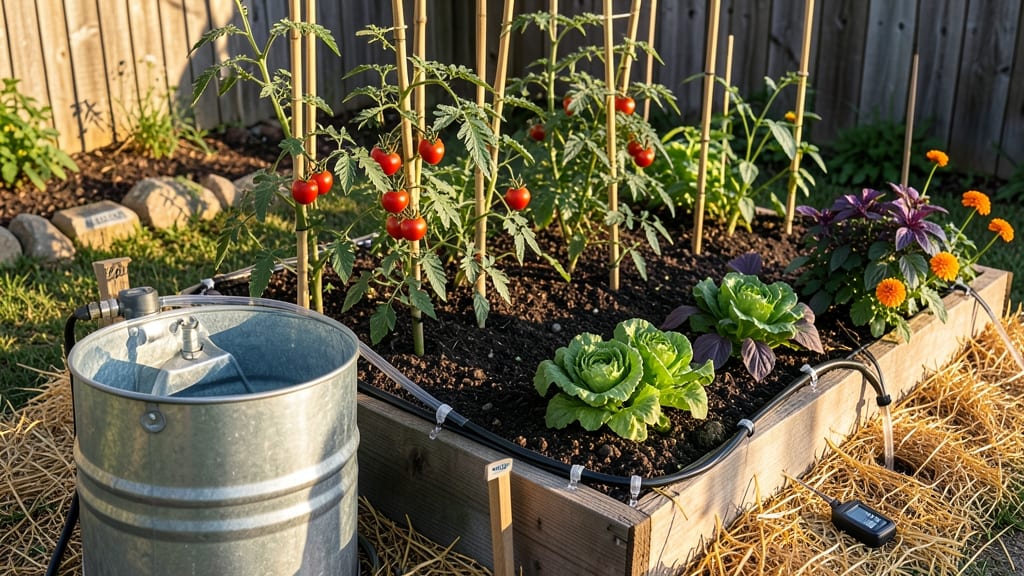
A DIY garden watering system transforms your yard into an efficient, low-cost oasis by repurposing materials like PVC pipes, soaker hoses, or rainwater barrels to automate watering. Tailor setups to your space with drip, sprinkler, or timer-based options for precise irrigation.
A DIY garden watering system works by leveraging simple physics—gravity, pressure, or timers—to deliver water where plants need it most. 💧 Unlike store-bought systems, these setups let you control every detail, from water flow rate to distribution zones.
For instance, a basic drip system using PVC pipes and emitters can cost under $50 but deliver water directly to roots, cutting waste by up to 30%.
The key is matching your materials to your yard’s size and plant types—container gardens thrive with bottle drippers, while large flower beds benefit from buried soaker hoses.
What sets these systems apart is their adaptability. You can start with a $20 rainwater collection barrel or scale up to a multi-zone timer system for $100. The trade-off?
Initial setup time, but the long-term savings on water bills and maintenance make it worth it. Plus, repurposing old materials reduces landfill waste while keeping your garden lush and healthy.
💡 In This Article
- How DIY Garden Watering Systems Work: Mechanics and Efficiency
- Budget-Friendly DIY Watering System Materials and Step-by-Step Plans
How DIY garden watering systems work: mechanics and efficiency
DIY garden watering systems rely on three core principles: gravity, pressure differentials, and controlled release. Gravity-fed systems use elevated containers (like barrels or buckets) to create a steady water flow through pipes or hoses, delivering moisture at a rate of about 0.5-1 gallon per hour per emitter.
This slow, consistent drip mimics natural rainfall, reducing evaporation and runoff while keeping soil evenly moist. The science here is simple: water flows from higher to lower pressure areas, and by adjusting the container height, you control the flow rate—higher elevation means faster delivery.
Pressure-based systems, often using repurposed sprinkler heads or soaker hoses, work by creating a slight positive pressure (typically 20-40 psi) to push water through small holes or porous materials.
Soaker hoses, for example, have microscopic perforations that release water at 0.1-0.3 gallons per hour per foot, ensuring deep root hydration without wetting leaves (which minimizes fungal diseases).
The key advantage here is precision: you can direct water exactly where plants need it, like the base of a tomato plant or along a row of herbs, while avoiding wasteful overspray.
Timer-controlled systems add automation by using simple mechanical or digital timers to regulate water delivery. A basic $10 analog timer can be set to release water for 10-30 minutes every 2-3 hours, while smart timers (around $50) sync with weather forecasts to adjust schedules.
The efficiency comes from eliminating guesswork—plants get water at consistent intervals, reducing stress from over- or under-watering. For instance, a timer paired with a soaker hose can deliver 1-2 gallons per hour across a 50-square-foot bed, cutting water usage by up to 40% compared to hand-watering.
Material choice directly impacts efficiency. PVC pipes, for example, resist clogging and corrosion, making them ideal for underground drip systems. Their smooth interior maintains consistent water flow, even over long distances.
Soaker hoses, made from porous rubber or fabric, absorb and slowly release water, ensuring even distribution without the need for complex setups. Meanwhile, rain chains or repurposed bottles create a gentle, decorative flow that’s perfect for small gardens or container plants. The trade-off?
Soaker hoses may need replacing every 2-3 years, while PVC lasts decades.
Consider this real-world example: A 10-foot section of ½-inch PVC pipe fitted with 4 emitters (cost: $15) can water a raised bed for 2 hours using just 8 gallons of water—about half what a traditional sprinkler would use for the same area.
The emitters release water at 0.5 gallons per hour, ensuring deep root penetration while keeping the surface dry. This setup is especially effective for drought-resistant plants like succulents or lavender, which thrive on infrequent but thorough watering.
For larger yards, combining methods works best. A 55-gallon rain barrel (around $80) elevated 5 feet above ground can feed a gravity-based drip system for 100+ hours, while a $20 digital timer adds automation.
The result? A system that’s not only cost-effective but also sustainable, using collected rainwater to reduce municipal water reliance by up to 50%. The upfront effort pays off in both savings and plant health.