
Tools
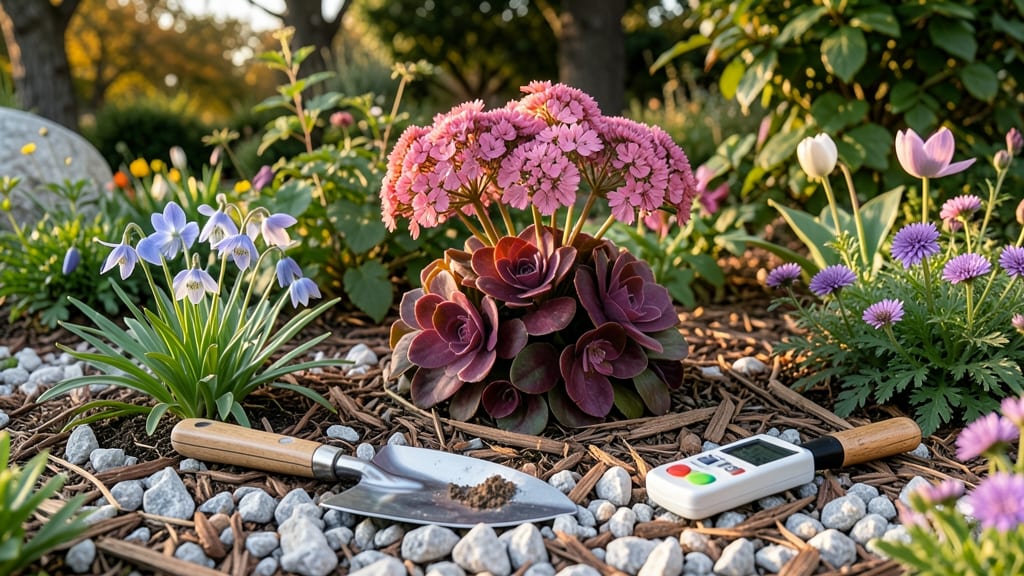
Incorporating limestone into garden soil effectively raises pH levels, counteracting acidic conditions and optimizing growth for acid-sensitive plants like azaleas, blueberries, and leafy greens. Apply crushed limestone according to soil test recommendations for steady, long-term pH adjustment.
Limestone works by introducing calcium carbonate, which reacts with acidic soil compounds to neutralize excess hydrogen ions. 🌱 The finer the limestone particles, the faster they dissolve, but coarser versions provide longer-lasting effects.
I've seen dramatic improvements in vegetable gardens after just one application—especially for crops like tomatoes and peppers that struggle in overly acidic soil.
For best results, test your soil first to determine how much limestone you need. Most garden centers sell soil test kits, and the results will tell you exactly how many pounds per 100 square feet to apply.
Spread it evenly with a rake or broadcast spreader, then water lightly to help it settle into the soil.
💡 In This Article
- How Limestone Adjusts Soil pH Chemistry
- Best Plants and Application Rates for Garden Limestone
How limestone adjusts soil pH chemistry
Limestone works its magic through calcium carbonate (CaCO₃), a naturally occurring mineral that acts like a chemical buffer in acidic soils. When you add limestone, it reacts with hydrogen ions (H⁺) in the soil, forming water and carbon dioxide while releasing calcium ions (Ca²⁺).
This process effectively reduces soil acidity by binding free hydrogen ions, which are what make soil "acidic" in the first place. Think of it like adding baking soda to vinegar—it neutralizes the acidity through a chemical reaction.
The speed of this reaction depends entirely on the limestone's particle size. Fine, powdered limestone dissolves quickly, raising pH within weeks, while coarse, chunky limestone releases calcium slowly over years.
For example, a 30-mesh limestone (fine particles) might adjust pH in 3-6 months, whereas ½-inch chunks could take 2-3 years to fully integrate. This slow-release property is why limestone is ideal for long-term soil adjustment rather than quick fixes. 🔥
Here's where it gets interesting: limestone doesn't just raise pH—it creates a buffering capacity that prevents future acidity spikes. The calcium ions left behind improve soil structure by promoting beneficial microbial activity and helping clay particles bind together.
This is why gardeners often see improved drainage and root development after limestone application, even in heavy clay soils. The buffering effect means your soil stays more stable over time, reducing the need for frequent pH adjustments.
One common misconception is that all limestone works the same way, but the purity level matters too. Pure calcium carbonate limestone (90%+ CaCO₃) is the most effective, while dolomitic limestone (which contains magnesium) adds extra nutrients but may raise pH slightly slower.
For most gardeners, a 50-pound bag of agricultural limestone covers about 100 square feet when applied at the recommended rate for your soil type. The key is patience—don't expect instant results, especially with coarser textures.
Seasonal timing also affects how limestone performs. Applying it in early spring or fall gives it several months to integrate before planting season. The cooler temperatures help prevent rapid dissolution, while regular watering helps distribute the particles evenly.
I've noticed that limestone applied in dry conditions tends to clump and dissolve unevenly, so a light watering after application makes all the difference. 💫
To monitor progress, use a simple soil pH test kit every 3-6 months. Most garden plants thrive in a pH range of 6.0-7.0, with vegetables like tomatoes and peppers preferring the slightly acidic end (6.0-6.8) and blueberries needing the more acidic 4.5-5.5 range.
Limestone won't work for acid-loving plants—those require sulfur or peat moss instead. The beauty of limestone is its versatility for the vast majority of garden crops that suffer from overly acidic conditions.