
Tools
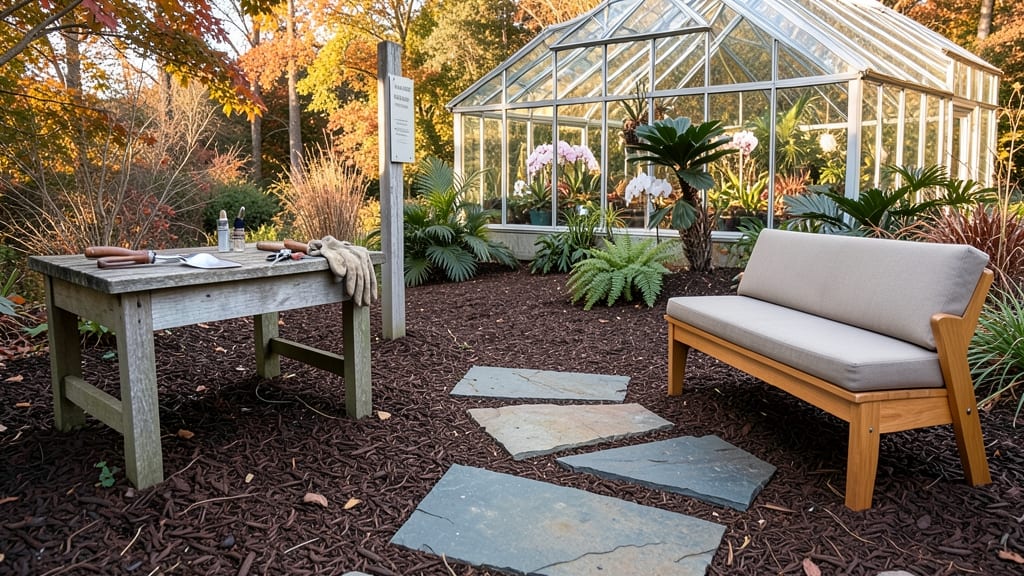
Longwood Gardens reviews highlight its world-class conservatories, meticulously designed gardens, and family-friendly attractions that consistently earn 4.5+ stars. Visitors adore its iconic fountain shows and expertly curated plant collections, though peak-season crowds can be overwhelming without advance planning.
Longwood Gardens isn't just another botanic garden—it's a masterpiece of horticultural artistry that blends science with stunning visuals. 🌿 The gardens' reputation stems from its ability to deliver breathtaking seasonal displays year-round, from vibrant spring blooms to winter holiday spectacles.
Many reviewers mention the Main Fountain Garden as a must-see, where synchronized water performances create magical moments, especially during evening shows.
What truly sets it apart is the attention to detail in every exhibit, from the Children's Garden (a hit with families) to the Conservatory, which houses rare orchids and tropical plants that feel like stepping into another world.
The only consistent critique? Crowds during peak seasons like spring and summer. Smart visitors recommend booking timed entry tickets or arriving early to beat the rush. Pro tip: Weekdays offer a more relaxed experience than weekends.
For those planning a visit, combining the gardens with nearby attractions like the Strasburg Railroad makes for a perfect day trip.
💡 In This Article
- Why Longwood Gardens Stands Out Among Botanic Gardens
- Pro Tips for Maximizing Your Longwood Gardens Visit
Why Longwood gardens stands out among botanic gardens
Longwood Gardens distinguishes itself through its cutting-edge horticultural science and year-round bloom engineering. Unlike many gardens that rely on seasonal changes, Longwood employs controlled-environment greenhouses and precision irrigation systems to maintain vibrant displays even in winter.
The Conservatory's humidity and temperature controls create microclimates that allow tropical plants like the 1,000-year-old Japanese maple to thrive alongside delicate orchids. This scientific approach ensures visitors experience blooms like the 200+ varieties of roses in peak condition from April through October.
The gardens' UNESCO World Heritage status reflects its global significance in plant conservation. Longwood's propagation labs have successfully reintroduced endangered species like the Franklin Tree, a critically endangered plant native to Tennessee. Their research programs focus on sustainable horticulture, including studies on drought-resistant plants that could revolutionize landscaping.
The Main Fountain Garden's water management system alone uses 50,000 gallons of water per minute during shows, demonstrating their ability to merge art with engineering on an unprecedented scale.
What makes Longwood truly unique is its sensory immersion design. The Garden of Fragrance features plants selected for their aromatic qualities, while the Children's Garden incorporates interactive elements like a 12-foot-tall water feature that teaches hydroponics.
Unlike traditional gardens that separate education from experience, Longwood blends both seamlessly—visitors often leave with newfound appreciation for plant biology without realizing they've learned.
The seasonal transformation is another standout feature. While most gardens peak in spring, Longwood's holiday displays (like the million lights of the Winter Wonderland) draw crowds year-round. Their Christmas Storybook Garden has been featured in national publications for its ability to transport visitors into storybook worlds.
This level of thematic consistency—from butterfly conservatory in summer to holiday train displays—creates a multi-sensory experience few gardens can match.
For plant enthusiasts, Longwood's rare collections are a major draw. The Camellia Collection contains over 1,000 varieties, while their hosta garden features plants from around the world. What's remarkable is how they maintain these collections through climate-controlled storage and specialized growing techniques.
Unlike public gardens that rotate displays, Longwood's curated collections remain accessible year-round, offering something new with each visit.
The gardens' accessibility innovations further set them apart. Their ADA-compliant pathways and sensory-friendly gardens (designed for visitors with autism) demonstrate a commitment to inclusive design. Even the fountain shows incorporate vibration-sensitive lighting for visually impaired guests.
This attention to detail extends to their educational programs, which combine hands-on activities with scientific research—something most gardens overlook.