
Tools
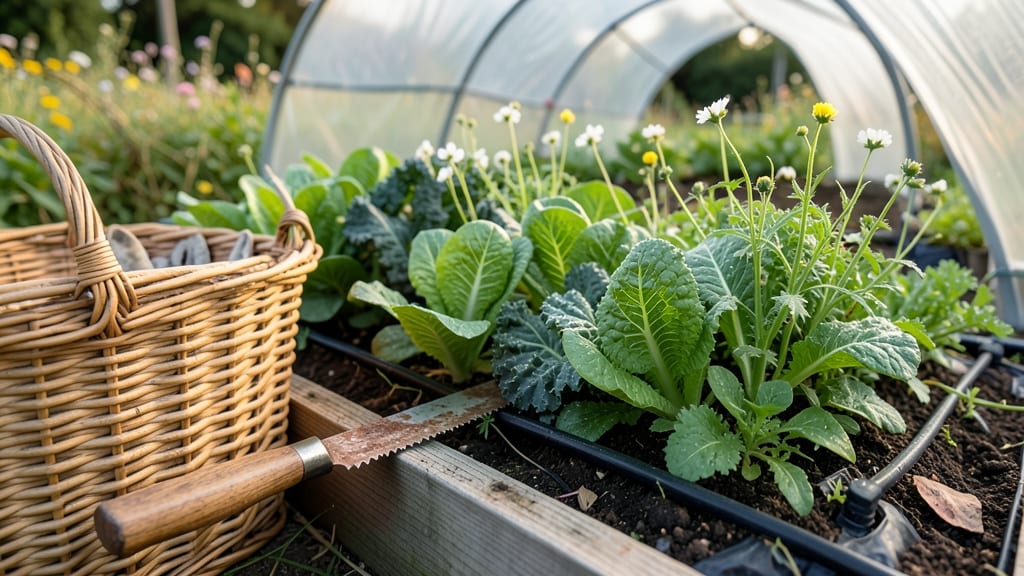
Market gardening climate thrives in temperate zones with mild winters and warm summers, ideally USDA Hardiness Zones 5-9, while microclimate adjustments—like shade cloths, row covers, and raised beds—enable year-round production even in less ideal regions. Sun exposure and humidity control are critical for maximizing yields.
Market gardening thrives where temperatures stay balanced—think 60-85°F for most crops—because extreme heat or cold stresses plants and reduces harvests. 🌱 The key isn't just the zone you're in, but how you work with what you've got: a frost-free season of 150+ days (common in Zones 5-9) lets you grow everything from tomatoes to winter squash, while microclimate tweaks like windbreaks or drip irrigation can push those limits even further.
I've seen gardeners in Zone 4 extend their growing season by 30-40 days using simple cold frames—proof that smart adjustments matter more than where you live.
What sets successful market gardeners apart is their ability to read their local microclimate. A sunny south-facing slope warms up faster than flat ground, while a shaded corner stays cooler—these nuances let you grow crops that wouldn't normally thrive in your area.
For example, leafy greens like spinach can bolt in hot summers, but a 50% shade cloth keeps them happy until fall. The same principle applies to humidity: too much moisture invites disease, while too little stresses plants, so mulching and proper drainage become game-changers in humid climates.
💡 In This Article
- Optimal USDA Zones for High-Yield Market Gardening
- Microclimate Hacks for Extending Market Gardening Seasons
Optimal USDA zones for high-yield market gardening
USDA Hardiness Zones 5-9 represent the sweet spot for market gardening because they balance frost-free growing seasons with sufficient summer warmth—typically 150-240 frost-free days annually.
Zone 5 (-20°F to -10°F) can handle hardy crops like kale and potatoes, while Zone 9 (20°F to 30°F) thrives with year-round production of tomatoes and peppers.
The magic happens in Zone 7 (0°F to 10°F), where most vegetables reach their peak productivity with 200+ frost-free days and summer highs of 80-90°F.
The difference between zones isn't just about cold tolerance—it's about seasonal timing.
In Zone 5, you'll plant cool-season crops like broccoli in early spring (45-50°F soil) and again in late summer for a fall harvest, while Zone 9 gardeners might grow basil continuously from March to November. 🌱 Root crops like carrots and beets prefer cooler 60-70°F soil, while tomatoes need 70°F+ to set fruit.
This is why Zone 6 gardeners often use black plastic mulch to warm soil faster in spring—a trick that can shave 2-3 weeks off the growing season.
What most gardeners overlook is how local topography modifies these zones. A south-facing slope in Zone 6 might get 10°F warmer than flat ground, letting you grow peppers that wouldn't normally survive. Conversely, a low-lying area could experience 5°F colder nighttime temps, delaying spring planting.
Checking your local climate data (like NOAA's frost maps) reveals these micro-variations—sometimes a half-mile difference can mean the gap between success and failure for heat-loving crops like eggplants.
Seasonal adjustments are where market gardeners earn their keep. In Zone 5, I've seen gardeners use row covers to extend the growing season by 4-6 weeks in spring and fall, while Zone 9 growers focus on shade protection during summer's 95°F+ heat waves.
The key is matching crop needs to your zone's last frost date (average April 15 in Zone 5 vs. February 1 in Zone 9) and planning succession plantings—like swapping out bolting lettuce for heat-tolerant Swiss chard when temps hit 80°F.
For data-driven planning, pay attention to growing degree days (GDD), a measure of heat accumulation. Tomatoes need about 1,200-1,500 GDDs to mature, while bush beans only require 800-1,000 GDDs.
Tools like the USDA Plant Hardiness Zone Map and local cooperative extension services provide this data—using it lets you predict harvest windows with near-certainty.
For example, in Zone 7, planting cucumbers on May 15 gives them enough heat to reach harvest by July 15, while planting the same variety on June 1 risks bitter fruit from summer's peak heat.
Regional variations add another layer. Pacific Northwest Zone 7 gardens face high humidity and cloud cover, requiring disease-resistant varieties and good airflow, while Southern Zone 7 gardens battle intense afternoon sun and need mulch to retain moisture.
The takeaway? Your zone is just the starting point—local conditions (sun, wind, soil) often matter more than the zone number itself. 💫