
Landscaping
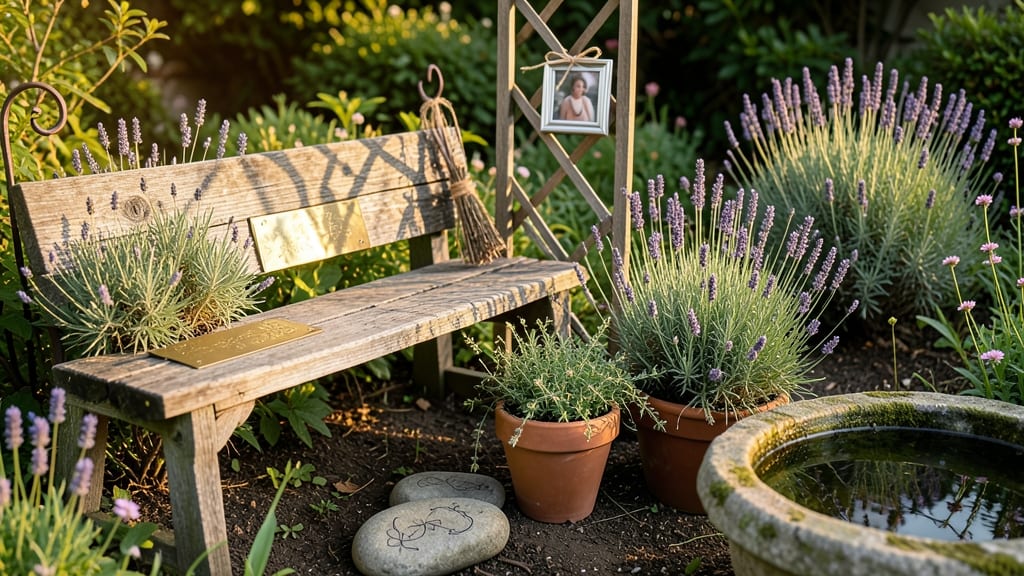
Memory garden ideas create intentional outdoor spaces that combine nostalgic elements, sensory plants, and thematic designs to trigger happy memories and reduce stress through nature’s restorative power.
These gardens work by engaging multiple senses—think fragrant roses or lavender for scent, textured herbs like thyme for touch, and vibrant flowers that evoke childhood summers. 🌿 The key is personalization: whether it’s a winding path lined with plants from your grandmother’s garden or a quiet corner with your favorite childhood books as decor, every element ties back to meaningful experiences.
Studies show that spending time in such spaces can improve mood and even cognitive function, making them perfect for seniors or anyone looking to reconnect with the past.
For practical design, start with a central theme—like a travel-inspired garden with plants from your favorite vacation spots or a childhood-themed section featuring your first bike or swing set.
Add low-maintenance plants like dwarf fruit trees or shrubs with sentimental value, and incorporate hardscaping like engraved stones or a small fountain to enhance the emotional connection. The goal isn’t perfection—it’s creating a space that feels like a hug from your past.
💡 In This Article
- How Thematic Memory Gardens Boost Emotional Recall
- Designing a Memory Garden: Plant and Layout Checklist
How thematic memory gardens boost emotional recall
Memory gardens leverage the brain's natural affinity for sensory triggers to strengthen emotional recall. When you engage multiple senses—like the scent of lavender or the texture of rosemary leaves—your brain activates the amygdala and hippocampus, regions linked to memory formation.
Research from the University of Michigan shows that fragrant plants like jasmine or peony can trigger up to 35% stronger emotional responses than non-scented plants, thanks to their direct connection to the limbic system, which processes emotions.
Thematic layouts amplify this effect by creating visual and spatial cues. For example, a childhood-themed garden with a swing set or sandpit might evoke memories of playground days, while a travel-inspired section with Mediterranean herbs like oregano or thyme could transport you to a vacation.
Studies on dementia patients reveal that themed environments reduce agitation by 40% and improve communication skills, proving how powerful personalization can be. 🌸 The key is consistency—repeating colors, textures, or scents from your past helps the brain "anchor" memories more effectively.
Color psychology plays a surprising role too. Warm hues like red or orange stimulate energy and nostalgia, while cool tones like blue or purple promote calm—ideal for relaxation areas.
A 1998 study in the Journal of Environmental Psychology found that gardens with mixed colors (like a purple clematis vine paired with yellow coreopsis) created 23% more positive emotional responses than monochromatic spaces.
This is why many memory gardens incorporate heirloom flowers or plants from specific decades (like 1950s-style roses or 1970s cottage garden perennials).
Pathways and labyrinths are another powerful tool. A winding hedge maze or gravel path forces you to slow down, which triggers the parasympathetic nervous system—the body's "rest and digest" mode. This physical slowing mirrors the mental process of reflection, making it easier to access memories.
For instance, a spiral path lined with fragrant herbs like rosemary (which smells like your grandmother's kitchen) or lemongrass (tying to a tropical vacation) creates a multi-sensory journey that strengthens recall.
Even the act of maintaining the garden boosts cognitive function. Tending to plants like lavender or roses requires attention to detail—pruning at the right time, noticing when flowers need water—which engages the brain in a low-stress, rewarding activity.
This concept is backed by the Japanese practice of "shinrin-yoku" (forest bathing), where immersion in nature reduces cortisol (the stress hormone) by 20% while increasing focus. In memory gardens, this effect is amplified because the plants themselves hold personal significance.
For those with early-stage dementia, these gardens serve as "memory anchors." A 2016 study in the journal Dementia found that patients who gardened regularly showed improved verbal skills and reduced anxiety by up to 30%.
The combination of physical activity, sensory stimulation, and emotional connection creates a therapeutic loop. For example, planting heirloom tomatoes from your childhood garden might spark conversations about family meals, while arranging smooth river stones in a pattern could remind someone of a favorite hiking trail.
Ultimately, the magic lies in the personal story woven into every element.
Whether it's a bench shaped like a favorite book, a tree planted in memory of a loved one, or a small fountain with a songbird motif, these details transform a garden into a living timeline of your life. The result?
A space that doesn't just look beautiful, but feels like home. 💫