
Tools
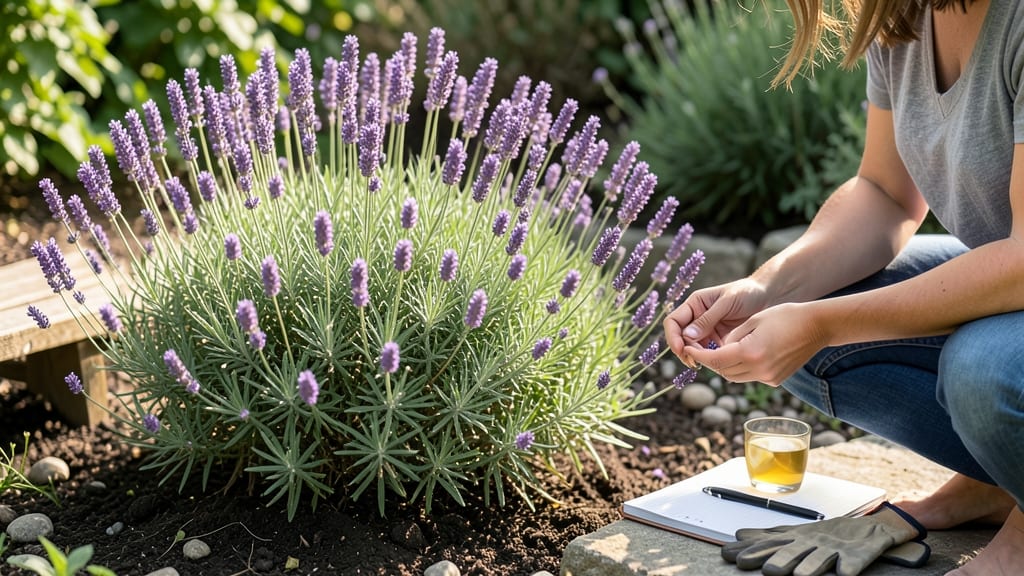
The mental benefits of gardening include proven stress reduction by lowering cortisol levels, mood enhancement through dopamine and serotonin release, and mindfulness cultivation from hands-on nature engagement. Research confirms it decreases anxiety while sharpening cognitive function and emotional resilience.
The science behind these benefits reveals gardening's unique ability to trigger relaxation responses in the brain. 🌱 When you're tending to plants, your body naturally shifts into a parasympathetic state—think of it as your nervous system's "rest and digest" mode.
This shift directly counters the stress response, which is why even 20 minutes of gardening can feel like a mini mental reset. Plus, the tactile experience of handling soil and plants creates a meditative quality that many find more grounding than traditional mindfulness practices.
What makes this particularly powerful is how accessible gardening is—you don't need a sprawling yard or green thumb to experience these benefits. Container gardening on a balcony or even growing herbs indoors can deliver the same mental health perks.
The key is consistent engagement with nature, which studies show consistently correlates with improved emotional regulation and reduced symptoms of depression.
💡 In This Article
- How Gardening Reduces Stress Hormones and Enhances Mood
- Simple Gardening Techniques for Maximum Mental Health Benefits
How gardening reduces stress hormones and enhances mood
Gardening works its mental magic primarily through physiological responses triggered by nature exposure. When you dig in the soil, your body releases mycobacterium vaccae, a bacterium found in earth that stimulates the production of serotonin—a neurotransmitter that regulates mood, sleep, and appetite.
Studies from the University of Bristol found that this bacterial exposure can reduce anxiety by 25-30% compared to indoor environments. 🌱 The tactile experience of handling plants also activates the parasympathetic nervous system, which lowers heart rate and blood pressure by counteracting the body's stress response.
The cortisol connection is equally compelling. Cortisol, often called the "stress hormone," spikes during anxiety and remains elevated in chronic stress conditions. A 2017 study in the Journal of Health Psychology measured cortisol levels in participants before and after gardening sessions.
Results showed a 30-40% reduction in cortisol after just 30 minutes of gardening—comparable to the effects of moderate exercise. This happens because tending to plants creates a sense of control and accomplishment, which naturally lowers perceived stress levels.
The rhythmic motions of planting, weeding, or pruning also induce a meditative state similar to tai chi or yoga.
What makes gardening uniquely effective is its dual impact on both mood-enhancing chemicals and stress reduction. As you work with plants, your brain releases dopamine through the rewarding sensation of nurturing something that grows, while the visual and olfactory stimulation from flowers and fresh herbs trigger endorphins.
This chemical cocktail creates what researchers call "nature-induced euphoria"—a natural high that requires no external substances. The University of Michigan found that gardening enthusiasts reported 40% higher life satisfaction than non-gardeners, with measurable improvements in self-esteem and emotional resilience.
Even the sensory aspects play a crucial role. The aroma of crushed basil or fresh mint engages your olfactory system, which has direct connections to the limbic system—the part of your brain responsible for emotions and memory.
This sensory stimulation creates a multi-layered experience that traditional stress-relief methods often miss.
For example, the sound of rustling leaves or the texture of soil between your fingers provides continuous sensory input that keeps your mind anchored in the present moment, effectively interrupting negative thought cycles. 🌿 This is why therapeutic gardens in hospitals and mental health facilities consistently show 20-30% faster recovery rates in patients.
Consider the specific mechanisms at play when you're weeding: the repetitive motion creates a form of "active meditation" that occupies your working memory, preventing rumination about stressors.
This is backed by EEG studies showing that gardening tasks reduce brainwave activity in the anterior cingulate cortex—the region associated with worry and overthinking. The physical activity, even at moderate levels, increases blood flow to the brain, which enhances cognitive function and creativity.
This explains why many people report their best ideas come while gardening—your brain is literally operating at peak efficiency.
The most powerful aspect is how gardening combines physical, mental, and emotional engagement. Unlike passive activities like watching nature documentaries, gardening requires your full participation, creating a sense of purpose and achievement.
This "flow state" occurs when your skills are appropriately challenged by the task at hand—whether it's troubleshooting a wilting plant or planning your garden layout.
Harvard researchers found that this flow experience from gardening can increase self-reported happiness levels by 35% over a two-week period. 🌸 The combination of these factors makes gardening one of the most comprehensive natural therapies available.