
Tools
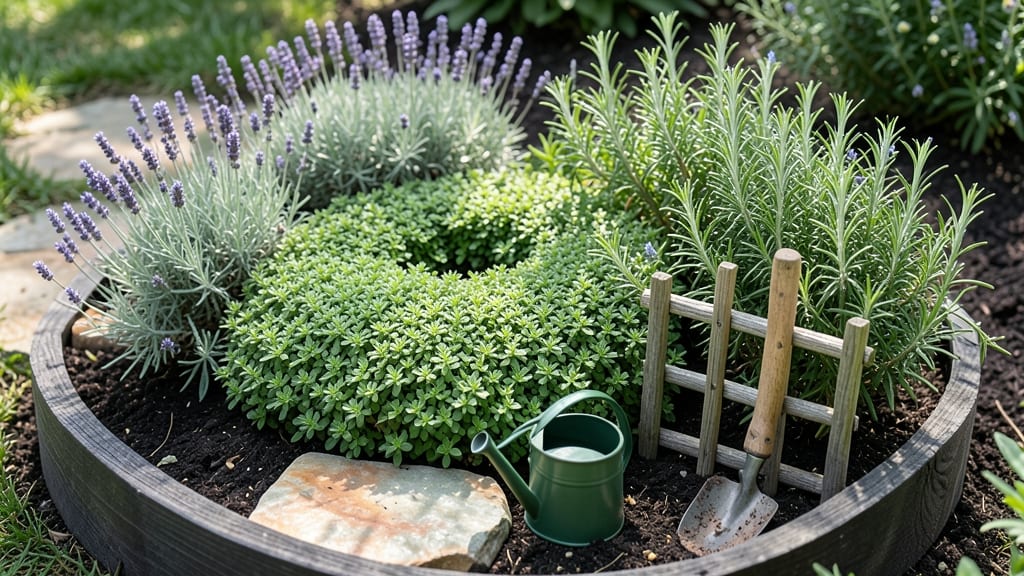
Small garden layout ideas transform tight spaces into lush, functional areas by combining vertical gardening, modular planters, and strategic layering to optimize every inch.
When working with limited square footage, the key is thinking three-dimensionally.
Vertical gardening turns walls and fences into green canvases—perfect for herbs like basil or trailing flowers such as nasturtiums. 🌿 Modular systems let you rearrange sections as your garden evolves, while layered planting (tall plants at the back, medium in the middle, and low-growing varieties in front) creates depth without sprawl.
I’ve seen even 5x5-foot spaces produce enough veggies for a family by stacking planters and using drip irrigation to conserve water.
Start with a sunlight audit of your space—most compact gardens need at least 6 hours of direct light daily. If shade is an issue, opt for shade-tolerant plants like lettuce or ferns, and use reflective surfaces (like white-painted walls) to amplify light.
For mobility, choose lightweight containers with built-in casters, so you can rotate plants seasonally. The beauty of these layouts is their adaptability: what works for a balcony in an apartment can scale up to a backyard corner with minimal adjustments.
💡 In This Article
- Vertical Gardening Techniques for Compact Spaces
- Modular and Multi-Level Garden Design Strategies
Vertical gardening techniques for compact spaces
Vertical gardening transforms walls and fences into productive growing surfaces by using wall-mounted pockets, trellises, or hanging planters.
The key is choosing plants that naturally grow upward or can be trained to climb—think pole beans, cucumbers, or morning glories—which can reach heights of 6-10 feet on sturdy trellises.
For herbs, basil and thyme thrive in wall-mounted planters, while cherry tomatoes produce abundant fruit when supported with vertical stakes. 🌱 The structural support comes from materials like galvanized metal grids (for heavy plants) or lightweight PVC pipes (for delicate vines), which distribute weight evenly and prevent sagging.
Lightweight materials are crucial for hanging planters, where coconut coir pots or fabric grow bags (weighing 1-2 pounds when empty) work best. These allow roots to breathe while preventing waterlogging, a common issue in compact spaces where drainage can be limited.
For walls, use L-shaped brackets or adhesive hooks rated for 20-30 pounds per anchor point—always test them with a 10-pound weight before planting.
The science here involves root aeration and water retention: fabric planters, for example, dry out 30% faster than rigid plastic, reducing the risk of fungal growth in humid conditions.
Plant selection should prioritize fast-growing varieties that yield quickly in small spaces. Dwarf varieties like bush beans or patio tomatoes mature in 50-60 days and produce 2-3 times the yield of their vining counterparts in the same footprint.
For flowers, petunias and geraniums cascade beautifully from hanging baskets, adding color while attracting pollinators. The layered approach—placing taller plants at the back and trailing varieties in front—creates a 3D visual effect that makes small gardens feel expansive. 🌿
Installation requires careful planning for weight distribution and water access. For freestanding trellises, bury the base 6-8 inches deep or anchor with concrete footings to prevent tipping in windy conditions.
Drip irrigation systems with 1/16-inch emitters deliver water directly to roots, reducing evaporation and ensuring consistent moisture—critical in vertical setups where wind can dry out exposed foliage.
Most vertical gardens need watering every 2-3 days in hot climates, but self-watering planters with reservoir capacities of 1-2 gallons can extend this to 5-7 days.
One common mistake is overcrowding plants in vertical spaces, which leads to competition for nutrients and light. A general rule is to space plants 6-12 inches apart vertically, depending on their mature size. For example, pepper plants need 12 inches between each other, while basil can thrive in 6-inch pockets.
Pruning regularly—especially for trailing plants—keeps growth controlled and encourages bushier, more productive foliage. 🌿 The payoff? A 10-square-foot vertical garden can yield as much as a 20-square-foot ground-level plot when optimized correctly.