
Planting
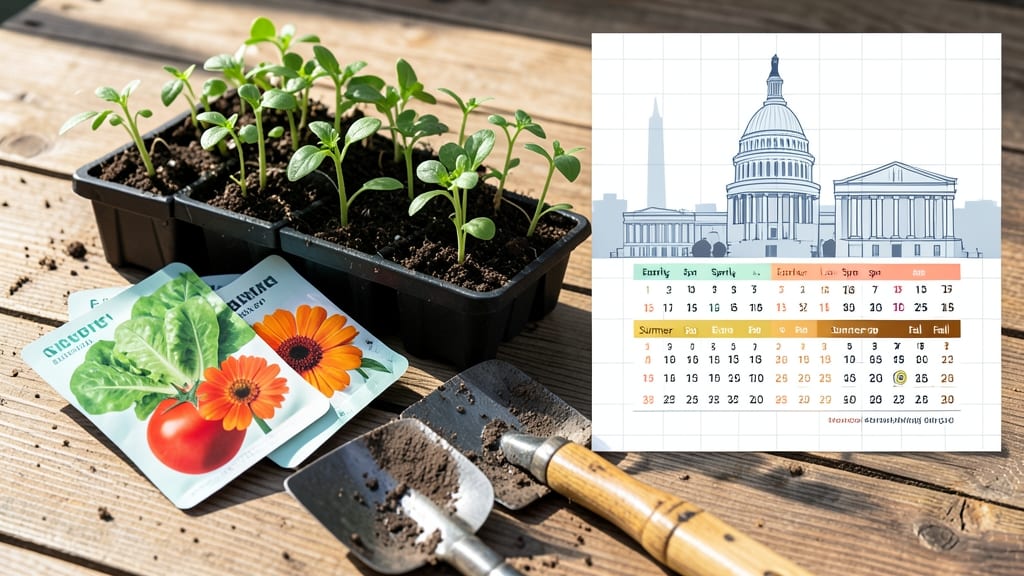
Planting a garden in Washington, DC, at the right time means the difference between a bumper crop and a sad, wilted disappointment.
Washington, DC’s mild winters and hot summers create a gardener’s paradise—but planting at the wrong time can mean poor yields or wasted seeds. Timing is everything in Zone 7b-8a, where frost dates shift yearly and heat waves demand precision.
The best window for spring planting starts around March 15, right after the average last frost, but soil temperature is the real game-changer. Too cold, and seeds rot; too hot, and they bolt before you get a harvest.
I’ll show you how to track it and avoid the common mistakes that leave DC gardeners scratching their heads in June.
You’ll also discover why fall planting often outperforms spring in this climate, the exact dates for cool-season crops like kale and spinach, and how to stretch your growing season with simple tricks like row covers. Let’s get those 🌱 roots in the ground at the perfect moment.
Washington DC planting calendar: exact dates for vegetables, flowers, and herbs
Washington DC’s Zone 7b-8a climate gives gardeners a 300-day growing season, but precise timing maximizes yields. The average last frost date is March 15, while the first frost typically arrives November 15.
I’ve broken down the best planting windows for your favorite crops, using data from the National Weather Service and USDA to ensure success.
For cool-season crops like spinach and kale, start seeds indoors by February 15 and transplant outdoors by March 20. These plants thrive in 50-65°F soil and can handle light frosts.
Meanwhile, warm-season staples such as tomatoes and peppers need to wait until soil warms to 60°F+, usually around May 1.
Herbs like basil and parsley are year-round workhorses, but basil needs consistent warmth—plant after May 15—while parsley tolerates cooler temps and can go in as early as March 1. Flowers like marigolds and zinnias love full sun and should be sown after the last frost, ideally by April 15.
| Plant Type | Best Planting Window | Sun Needs | Soil Temp (°F) | Notes |
|---|---|---|---|---|
| Cool-Season Veggies | Feb 15 - Mar 20 (indoors), Mar 20 - Apr 15 (outdoors) | Full sun to partial shade | 50-65°F | Spinach, kale, lettuce |
| Warm-Season Veggies | May 1 - Jun 1 (outdoors) | Full sun (6+ hrs) | 60°F+ | Tomatoes, peppers, cucumbers |
| Herbs | Basil: May 15 - Jun 15; Parsley: Mar 1 - Apr 30 | Partial sun (4-6 hrs) | 55-75°F | Basil needs heat; parsley is frost-tolerant |
| Flowers | Apr 15 - May 15 (outdoors) | Full sun (6+ hrs) | 55-70°F | Marigolds, zinnias, sunflowers |
| Fall Crops | Aug 1 - Sep 15 (outdoors) | Full sun to partial shade | 50-60°F | Broccoli, carrots, radishes |
In spring, prioritize cool-season crops first, then transition to warm-season plants as temperatures rise. Use row covers for early plantings to protect against late frosts, which can occur until April 10 in some years. For herbs like cilantro, sow seeds every 2-3 weeks for a continuous harvest.
Summer planting should wrap up by August 15 to give roots time to establish before frost. Succession planting is key—sow bush beans every 2 weeks from May through July for a steady supply.
If you love peppers, start seeds indoors by March 1 and transplant after May 15 for maximum heat tolerance.
Fall is DC’s second harvest season, and it often outperforms spring. Plant broccoli and carrots by August 1 for harvests in October-November. Use cold frames to extend the season into December for hardy greens like spinach and kale.
Just remember: avoid planting after September 15 for most crops.
For flowers, zinnias and marigolds thrive when planted in late spring and bloom until frost. If you’re growing perennials like lavender or rosemary, plant them in early spring or fall for best establishment. Always check soil temperature with a thermometer—50°F+ is ideal for most seeds.
Pro tip: Use DC’s microclimates to your advantage. Areas near the Potomac River stay cooler longer, while urban heat islands (like downtown) warm up faster. Adjust planting dates 1-2 weeks
How to adjust planting times for DC’s unpredictable weather patterns
Washington, DC’s Zone 8 climate offers long growing seasons, but late frosts and early heatwaves can throw off even the most experienced gardeners. In 2023, for example, Rock Creek Park saw frost as late as April 10, while Anacostia hit 90°F+ by April 15.
These microclimates mean your neighbor’s perfect timing might fail in your garden.
To beat DC’s weather whims, I’ve learned to start seeds indoors 6-8 weeks before the last frost date (typically March 15), then harden them off before transplanting. For warm-season crops like tomatoes, I wait until soil temps hit 60°F+—usually mid-May—to avoid stunted growth from cool soil.
🚨 callout-warning 🚨
⚠️ DC’s Frost Risk Zones
Rock Creek Park: Late frosts linger until April 15—delay planting cool-season crops until after this date. Use row covers for extra protection.
Anacostia: Heat arrives 2 weeks earlier than northern DC. Plant heat-tolerant varieties (e.g., Okra, Sweet Potatoes) by April 1 to avoid bolting.
Urban Heat Islands: Sidewalks and buildings raise temps by 5-10°F. Choose shade-tolerant plants (e.g., Swiss Chard, Lettuce) for south-facing urban lots.
For fall planting, I rely on soil thermometers to track when temps drop below 70°F—usually by August 20. This triggers my second planting window for broccoli, carrots, and spinach, which thrive in DC’s cooler autumns.
Pro tip: Use black plastic mulch to warm soil in spring or straw mulch to cool it in summer.
When early heatwaves strike (like the June 2022 100°F+ spell), I switch to shade-cloth for delicate greens and prioritize drought-resistant crops like zucchini or black-eyed peas. These plants handle DC’s humidity and heat better than lettuce or radishes.
To stay ahead, I follow the DC Master Gardener Program’s frost alerts and adjust my schedule yearly. For example, in 2024, I planted peppers 2 weeks earlier than usual after noticing warmer-than-average April temps. Always keep a planting journal to track what works—and what doesn’t—in your specific microclimate.
Remember, DC’s 180 frost-free days are a gift, but only if you adapt your timing. By mastering soil temps, microclimates, and flexible planting windows, you’ll turn the city’s weather chaos into your garden’s superpower. 🌱