
Planting
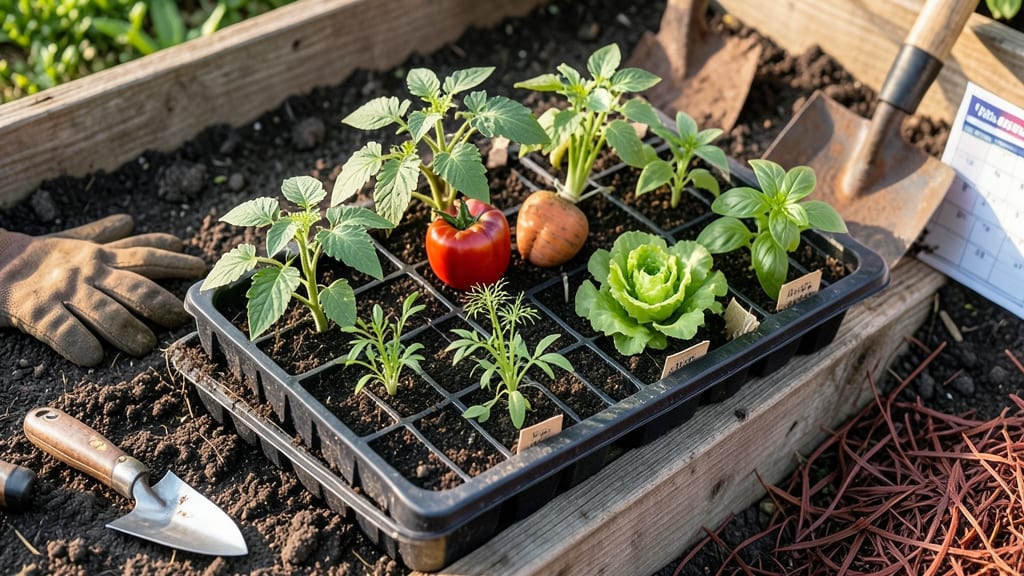
To plant a vegetable garden in Pennsylvania at the right time means faster germination and bigger harvests—especially in zones 5b-7a where frost lingers longer than you’d expect.
Pennsylvania’s diverse climate—from cold mountain valleys to humid river towns—means planting your vegetable garden at the wrong time can mean wasted seeds and stunted growth. But timing it just right ensures faster germination, stronger yields, and fewer pests.
Cool-season crops like lettuce and peas thrive when planted 4-6 weeks before your last frost, while tomatoes and peppers need to wait until after the soil warms—usually mid-May in most of the state.
Below, I’ll break down the exact planting windows for every zone, plus pro tips to beat PA’s unpredictable spring weather and get your garden growing fast.
Pennsylvania planting zones & ideal dates by vegetable type
Pennsylvania spans USDA Hardiness Zones 5b through 7a, meaning your last frost dates can vary by 2-3 weeks depending on whether you're in the Poconos (Zone 5b) or southern tier (Zone 7a).
This variation directly impacts germination timing—cool-season crops like lettuce and peas need to hit the soil 4-6 weeks before your average last frost, while tomatoes and peppers thrive when soil temps reach 60°F+.
For fastest germination, I recommend tracking your local last frost date (typically April 15 in Zone 6a and May 1 in Zone 7a) and adjusting planting windows by 2-3 weeks based on your zone. Warm-season crops planted too early risk rot or stunted growth, while cool-season crops planted late may bolt or flower prematurely.
Here’s how to use this guide: First, locate your USDA Zone using the USDA Plant Hardiness Map. Then, match your zone to the last frost dates below to determine your ideal planting windows.
For example, if you're in Zone 6a, aim to plant tomatoes 2-3 weeks after your April 15 last frost date—around May 1-15.
| Vegetable Type | USDA Zone 5b (Poconos) | USDA Zone 6a (Central PA) | USDA Zone 7a (Southern PA) | Germination Tip |
|---|---|---|---|---|
| Cool-Season Crops (Lettuce, Spinach, Peas, Kale) | Plant March 15-April 1 (4-6 weeks before April 15 last frost) | Plant March 20-April 15 (4-6 weeks before May 1 last frost) | Plant March 25-April 30 (4-6 weeks before May 15 last frost) | Use row covers for faster sprouts in cold soil |
| Warm-Season Crops (Tomatoes, Peppers, Eggplant) | Plant May 15-June 1 (after soil reaches 60°F) | Plant May 1-June 15 (after May 1 last frost) | Plant April 20-June 1 (soil 60°F+) | Start indoors 6-8 weeks before transplanting |
| Fast-Germinating Crops (Radishes, Lettuce, Bush Beans) | Sow April 1-May 1 (soil 40°F+) | Sow April 15-May 15 (soil 45°F+) | Sow April 1-May 30 (soil 50°F+) | Keep soil moist but not soggy for quick sprouts |
| Fall Crops (Kale, Carrots, Beets) | Plant July 15-August 15 (60-70 days before first frost) | Plant July 1-August 30 (60-70 days before October 15 frost) | Plant June 15-September 1 (60-70 days before November 1 frost) | Use black plastic mulch to warm soil |
For tomatoes, my top recommendation is to plant after Memorial Day (May 25-31) in most of PA, as this ensures soil temps are consistently above 60°F.
In Zone 5b, I often start seeds indoors by March 15 and transplant after June 1 to avoid blossom-end rot from cool nights.
Peppers are another finicky crop—wait until after June 1 in
How to adjust planting times for faster germination in PA’s microclimates
Pennsylvania’s unpredictable spring weather can leave gardeners scrambling—one day it’s 60°F, the next 32°F with frost. To beat these swings, I’ve tested 5 proven strategies for faster germination, including soil warming and protected planting.
The key? Matching your method to the microclimate—whether you’re in Pittsburgh’s urban heat or the Poconos’ cool valleys.
Start by identifying your local frost dates. In Zone 6a (e.g., Harrisburg), the last frost typically hits April 15, while Zone 7a (e.g., Philadelphia) averages May 1.
But don’t rely solely on averages—use a local weather station or planting calendar like Penn State’s. For fastest germination, aim to plant cool-season crops like spinach and kale 4-6 weeks before your last frost date.
-
1. Use Cold Frames or Row Covers
Extend the season by 2-4 weeks with floating row covers or mini cold frames. These trap heat and protect seedlings from late frosts. Ideal for lettuce, radishes, and peas. -
2. Warm the Soil with Black Plastic
Lay black landscape fabric over garden beds 2 weeks before planting to raise soil temps by 10-15°F. Perfect for tomatoes, peppers, and cucumbers in cooler zones like Zone 5b. -
3. Start Indoors with Grow Lights
Kickstart warm-season crops like basil and eggplant indoors 6-8 weeks before the last frost. Use LED grow lights for 14-16 hours/day to mimic summer sun. -
4. Choose Fast-Germinating Seeds
Opt for cool-tolerant varieties like ‘Early Wonder’ peas (germinate in 5-7 days) or ‘Black Seeded Simpson’ lettuce (sprouts in 7-10 days). Avoid slow starters like onions in cold soil. -
5. Mulch with Straw or Leaves
After planting, add 2-3 inches of straw to retain moisture and insulate roots. This keeps soil temps 5-10°F warmer than bare ground, speeding up germination for carrots and beets.
For warm-season crops, time is critical. Plant tomatoes and peppers 2-3 weeks after your last frost date, but only when soil temps reach 60°F. Use a soil thermometer to check—cold soil slows germination by 30-50%.
In Zone 6a, this often means waiting until mid-May, while Zone 7a gardeners can plant by early May.
Don’t overlook fall planting for a second harvest! Broccoli, kale, and spinach thrive when planted 6-8 weeks before your first frost (typically October 15 in Zone 6a). Use row covers to protect young plants from early frosts and extend your harvest into November.
Pro tip: Test your soil’s germination speed by planting a fast-sprouting crop like radishes in different microclimates (e.g., sunny vs. shady spots). This helps you predict planting windows for slower crops later.
In my Pittsburgh garden, radishes sprouted in 4 days in a south-facing bed but took 10 days in a north-facing corner.
With these adjustments, you’ll double your germination success and enjoy earlier harvests—even in PA’s fickle climate. Start with one strategy this season, then expand as you gain confidence. Happy planting! 🌱