
Planting
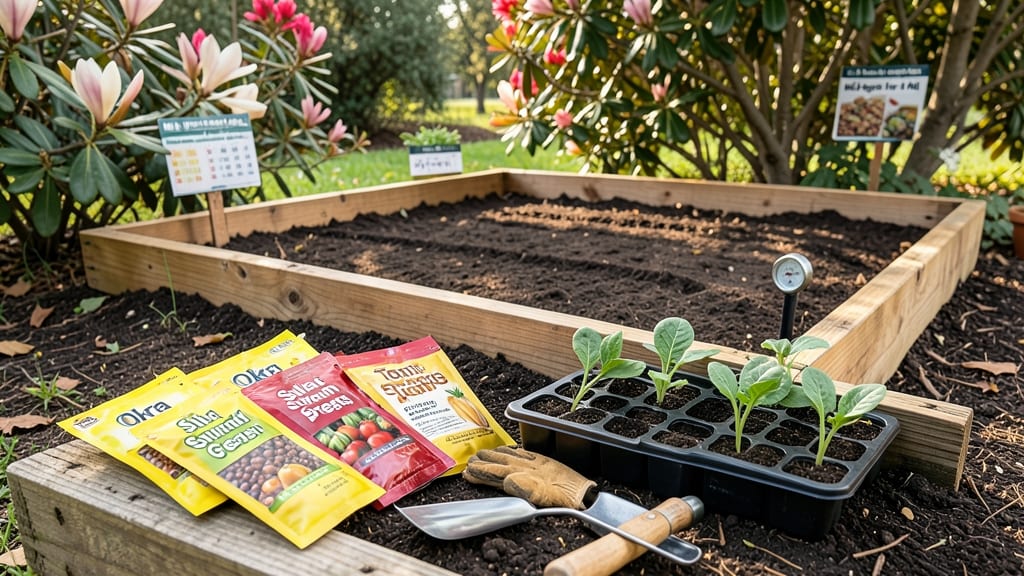
Planting a vegetable garden in Mississippi means timing your crops perfectly to beat the heat and humidity—or watch them struggle from day one.
Mississippi’s long, brutal summers and sudden spring frosts make the difference between a bountiful harvest and a sad, wilted mess. But with the right schedule, you can grow heat-tolerant varieties like okra and sweet potatoes that thrive when other gardens give up.
Cool-season crops like lettuce and broccoli need to go in late February to early April, while warm-season favorites like tomatoes and peppers wait until after March 15, when frost is finally out of the picture.
Fall planting kicks off in August, giving you a second chance at a harvest before winter sets in.
In this guide, I’ll break down the exact months for every crop in your zone, plus the top 10 heat-proof plants that actually work in Mississippi’s climate. No more guessing—just a garden that delivers.
Mississippi planting zones and exact months for vegetable crops
Mississippi spans USDA Hardiness Zones 7a-8b, where last frost dates range from mid-March in the north to early April in the south. This means your planting schedule must account for two distinct growing seasons: a cool-season spring and a warm-season fall.
In Zone 7a, aim for late February to early April for cool crops, while Zone 8b gardeners can start as early as mid-January.
Warm-season crops like tomatoes and peppers need to wait until 2-3 weeks after your last frost date, typically mid-April to early May. Meanwhile, cool-season crops such as lettuce and broccoli thrive when planted 4-6 weeks before the last frost.
Fall planting for warm-season crops begins in late July to early August, giving them time to mature before first frost in mid-November.
Mississippi’s humidity and heat mean you’ll also need to adjust planting windows for drought-tolerant varieties. For example, okra and sweet potatoes can handle late spring plantings (May-June) when soil temperatures exceed 70°F. Always check your local frost dates—they vary by 1-2 weeks across the state.
🌱
For Zone 7a gardeners, focus on late winter sowing (February) for broccoli and cabbage, while Zone 8b gardeners can start as early as January. In both zones, succession planting every 2-3 weeks ensures a continuous harvest.
For example, plant bush beans in early May and again in early July for a fall crop.
Mississippi’s humidity and heat can stress plants, so mulching with straw or pine straw helps retain moisture and regulate soil temperature. Drip irrigation is ideal for warm-season crops like tomatoes and peppers, as overhead watering can promote fungal diseases in the heat.
Always water deeply in the morning to reduce evaporation and prevent blossom-end rot in tomatoes.
If you’re in North Mississippi (Zone 7a), prioritize early-maturing varieties of cucumbers and squash to avoid late-summer wilting. In South Mississippi (Zone 8b), you can extend your growing season by planting heat-tolerant varieties like Malabar spinach or yard-long beans, which thrive in 90°F+ temperatures.
Always monitor local weather forecasts for unexpected heatwaves or cold snaps.
For fall planting, start warm-season crops in late July to give them 80-90 days to mature before frost. Cool-season crops like kale and carrots can handle light frosts, making them perfect for August sowings.
Use row covers if early frosts threaten—this buys you 2-4 extra weeks of growing time.
One of my biggest mistakes was planting tomatoes too early in Zone 7a, only to see them wilt in the heat before producing fruit. Now, I wait until soil temperatures consistently stay above 65°F before transplanting.
Top 10 heat-tolerant vegetables that thrive in Mississippi’s climate
Mississippi’s scorching summers can turn a garden into a sauna for traditional vegetables, but these heat-tolerant varieties thrive under the sun. From okra to sweet potatoes, these crops not only survive but outperform most alternatives in the Magnolia State’s climate.
Let’s dive into the top 10 heat-resistant vegetables and their ideal planting times.
Unlike delicate lettuce or spinach, these drought-resistant plants demand minimal watering once established. Many also repel pests naturally, reducing the need for chemical interventions. For example, Malabar spinach grows like a weed in Mississippi’s heat, while black-eyed peas fix nitrogen in the soil, improving fertility for future plantings.
🌱 Numbered Highlights: Mississippi’s Best Heat-Tolerant Vegetables
- 1
- 2
- 3
- 4
- 5
- 6
- 7
- 8
- 9
- 10
For maximum yield, pair these crops with mulch to retain moisture and shade cloth during peak summer heatwaves. For example, okra and sweet potatoes benefit from black plastic mulch to warm the soil faster in spring plantings.
Always water deeply in the morning to avoid fungal diseases like powdery mildew, which thrives in Mississippi’s humidity.
My personal favorite is Malabar spinach—it grows like a weed and produces year-round in partial shade. Plus, it’s a nutrient-dense green that’s perfect for stir-fries or salads.
If you’re new to heat-tolerant gardening, start with black-eyed peas or southern peas; they’re forgiving and improve soil health while you learn the ropes.
Pro tip: Rotate crops annually to prevent soil depletion. For instance, plant nitrogen-fixing peas one year, followed by heavy feeders like sweet potatoes the next. This keeps your Mississippi garden productive and disease-free for years to come.
With these heat-loving vegetables, you’ll enjoy bountiful harvests even when temps soar above 10